
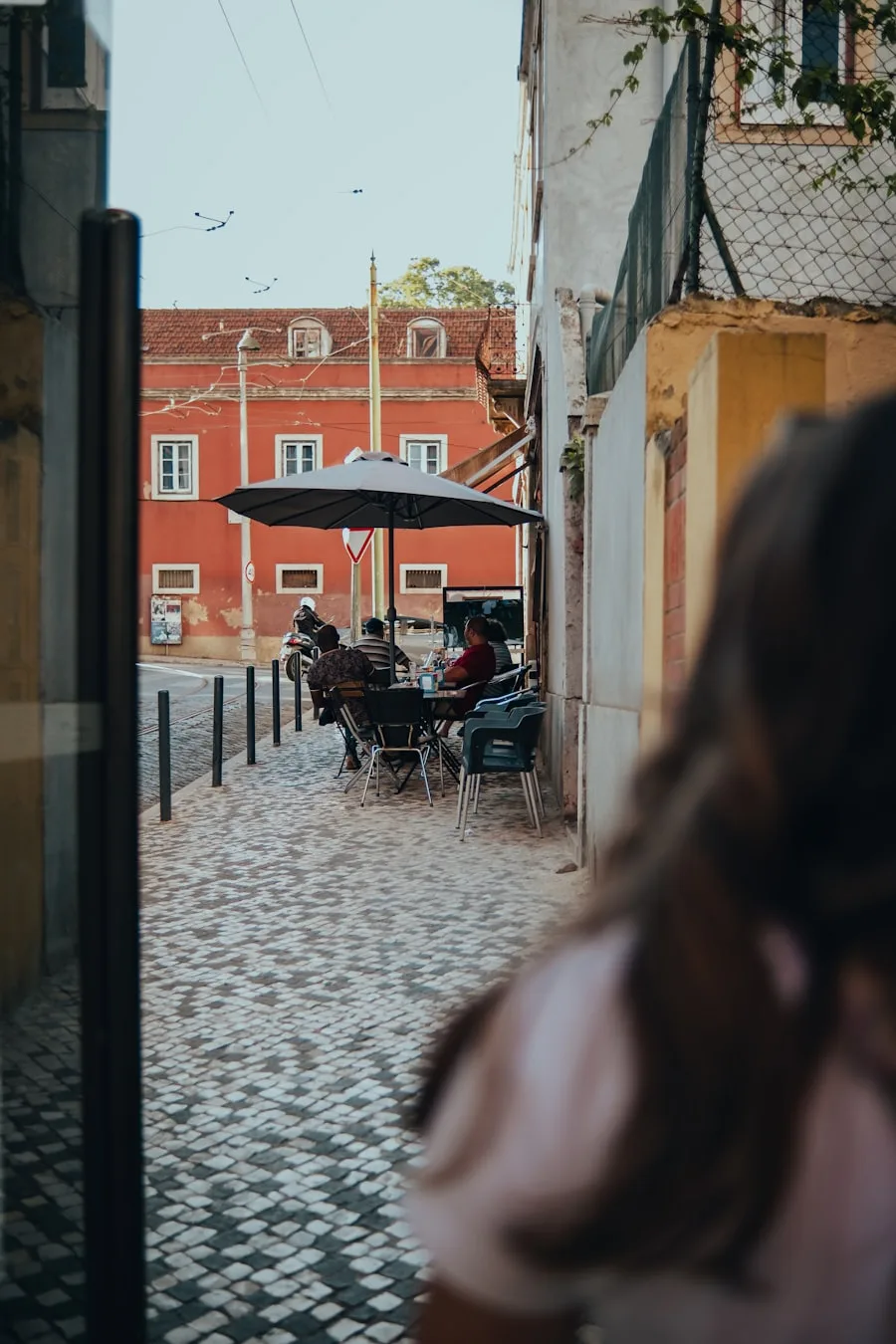
Photo Unsplash
Living in Alcântara, Lisbon
Quarto em apartamento partilhado Living in Alcântara, Lisbon - direto do proprietário, sem agência - Lisbon
Under the 25 de Abril Bridge, along the Tagus. From an old industrial zone to one of the city's most dynamic hubs thanks to LX Factory, the Docas, and a creative scene that has drawn design studios, agencies, restaurants and nightlife.
Alcântara is one of Lisbon's most successful urban transformations. It was a 19th-century working-class industrial neighborhood - textile factories, tanneries, port warehouses - that fell into decay during the 20th century (the Casal Ventoso area, demolished in the late 1990s, was one of Europe's biggest drug markets). Over the last 25 years it has been reborn: LX Factory (a former textile mill converted into a creative hub in 2008) has drawn design studios, ad agencies, restaurants, bookshops, festivals. The Docas de Santo Amaro have become an evening gathering point along the Tagus. The bairro lives under the imposing outline of the 25 de Abril Bridge.
Who lives here
Dynamic mix: long-term Portuguese working class (the factories generation), creatives and freelancers (designers, photographers, architects), culture and digital expats, young professionals. Residual long-term families in social housing. Gentrification is evident but hasn't erased social stratification.
What it's like during the day
Creative work life concentrated in LX Factory (cafés, bookshops, restaurants, studios). Calçada da Tapada climbs toward Estrela. Rua da Cozinha Económica keeps a working-class soul. Doca de Alcântara and Doca de Santo Amaro offer Tagus walkways. Constant view of the 25 de Abril Bridge (Lisbon's Golden Gate equivalent). Calçada da Boa Hora is one of the city's steepest streets.
What it's like in the evening
One of Lisbon's liveliest night scenes. Docas de Santo Amaro - rows of bars, restaurants, lounges under the bridge arches, busy until late. Historic electronic clubs (Lux Frágil is at Santa Apolónia but many DJs play here), natural wine bars, new-generation restaurants. Well-distributed nightlife, none of the mass tourism of Bairro Alto.
Getting around
Cascais line train from Alcântara-Mar station (frequent, 5 minutes to Cais do Sodré). Tram 15E from the centre to Belém passes here. Alcântara-Terra station for the Sintra line. Buses 720, 727, 738, 760. No metro (a limit for those coming from the north), but the tram + train combination covers almost everything.
Eating and shopping
Pingo Doce, Continente, Lidl. Mercado da Ribeira in Alcântara (smaller than the Time Out Market but authentic). LX Factory concentrates the international food scene: ramen, tacos, brunch, vegan cooking, Neapolitan pizzerias. Along the Docas: fish, sushi, international. Traditional tascas still alive on inner streets.
When NOT to pick it
If living under a motorway bridge oppresses you (the noise is real, especially near the river). If you want absolute calm: in the busy zones nightlife is audible. If you want a metro 2 minutes away. If you prefer pretty historic atmospheres - Alcântara is beautiful but rough, industrial, never postcard.
Alcântara is the right pick for young creative professionals, digital freelancers, people who love evening life but not the touristy kind, expats who want to be near the river in a dynamic neighborhood. Value for money is still interesting compared to Misericórdia or Estrela.