Photo Unsplash
Living in Neukölln, Berlin
WG-Zimmer Living in Neukölln, Berlin - direkt von privat, ohne Makler - Berlin
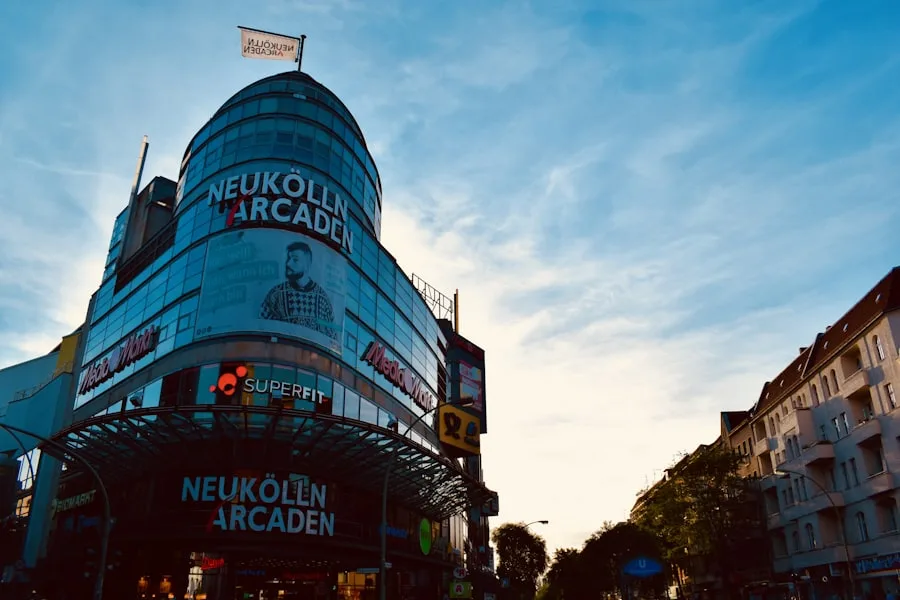
Multicultural, boiling, in constant transformation. Neukölln is the neighborhood where over the last fifteen years the creative energy that was in Kreuzberg has moved, while keeping more accessible prices.
Neukölln is a vast district (southeast Berlin), but when speaking of "Neukölln" as a residential Kiez it usually means the north - Reuterkiez, Schillerkiez, Rixdorf, Körnerkiez. It's historically a working-class and immigrant neighborhood (Turkish, Arab, Balkan), and is still one of the districts with the highest percentage of residents with migrant background in Germany. In the last fifteen years it has gentrified without losing its multicultural character.
Who lives here
A strongly stratified population. The Arab community (Lebanese, Palestinian, Syrian) and Turkish are historic and numerous, especially on Sonnenallee and Karl-Marx-Straße. A big slice of young creative expats (Italians, Spaniards, French, Israelis) drawn by lower prices than Kreuzberg. Students. Left-wing German families. A historic poor population still strong.
What it's like during the day
Intense street life. Hermannplatz is the central hub, with the Karstadt department store (in renovation) and metro station. Maybachufer, along the Landwehrkanal canal, hosts the same Türkenmarkt as Kreuzberg (Tue, Fri) - it's part of the border. Sonnenallee is Berlin's "Arab Street": Lebanese pastry shops, Turkish supermarkets, shawarma of every kind. Tempelhofer Feld - the former airport turned public park - is the green lung, one of Berliners' most beloved places.
What it's like in the evening
Lively but quieter evenings than Kreuzberg/Friedrichshain. Natural wine bars, Israeli spots, kebabs at all hours, some live music venues. Reuterkiez streets (Sun-Thu) are full of expat groups who all know each other - Neukölln is one of the neighborhoods where the international community is densest.
Getting around
U7 (Hermannplatz, Rathaus Neukölln, Karl-Marx-Straße), U8 (Hermannplatz, Boddinstraße, Leinestraße), Ringbahn (Sonnenallee, Hermannstraße, Neukölln). S-Bahn covers the eastern part. Bikes common. Southern Neukölln (Britz, Rudow) is more distant and less connected.
Eating and shopping
Türkenmarkt (Tue, Fri), Turkish and Arab supermarkets (Bahar, Üreten). German discounters (Lidl, Aldi). The food scene is one of Berlin's most dynamic: highest-level Levantine (Hummus by Marek, Azzam, Akiba), new third-wave cafés, international brunches, ramen, vegan. Karl-Marx-Straße and Weserstraße concentrate the trendiest spots.
When NOT to pick it
If you want quiet: Reuterkiez weekends are loud, Sonnenallee is always packed. If you don't feel comfortable in a neighborhood with visible social tensions (gentrification, marginality). If you want a "cute and orderly" Kiez: Neukölln is beautiful in its intensity, not its cleanliness.
Neukölln is the right pick if you want more accessible prices than Kreuzberg/Friedrichshain with the same urban energy, if you want a dense international community, if Middle Eastern cuisine is something you want as part of daily life.