Photo Unsplash
Living in Berlin
WG-Zimmer Berlin - direkt von privat, ohne Makler
What you need to know if you're about to move to Berlin - how contracts work, the Anmeldung, Krankenversicherung, the transit pass, and how to navigate Mitte, Kreuzberg, Prenzlauer Berg and the other very different Kieze.
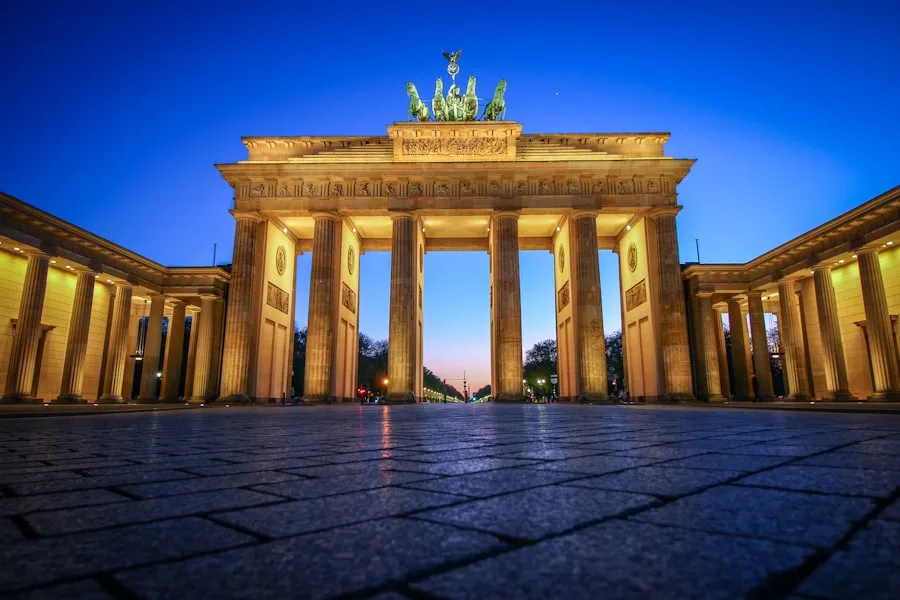
Berlin isn't just East Side Gallery and Brandenburg Gate. For people actually moving here, it's a city where German bureaucracy is precise but slow, where rent is regulated by Mietpreisbremse, and where the Kiez you choose to live in completely changes your experience. This guide puts together what you'll want to know before signing a Mietvertrag, from the Anmeldung to the Deutschlandticket, to the character of each of the twelve districts.
The city in a few sentences
Berlin is Germany's capital and one of the country's city-states (Bundesland), with almost 3.9 million inhabitants. It's nine times larger than Paris but with fewer people per square kilometer - a stretched-out city, made of inner courtyards, trees on the sidewalks, huge parks (the Tiergarten is as big as London's Hyde Park). There's no postcard old town like Rome or Prague: the Second World War and the Wall fragmented the city into twelve districts, each with its own identity.
The climate is continental: long dark winters that can drop below zero from December to March, short hot summers with temperatures hitting 35°. Spring is short, autumn is grey. People live indoors much of the year, then explode outside from May to September - Biergärten, lakes east of the city, Mauerpark on Sundays.
The language: German, and lots of English
German is the official language, but Berlin is the European city with the highest percentage of residents who live comfortably in English only. In downtown bars, startups, cafés in Mitte and Prenzlauer Berg, English passes without issue. With Bürgeramt officials, at the GP's, with an older Hausmeister, no.
Learning even just the basics of German makes a huge difference in everyday relations, and lets you read the Mietvertrag without having to ask a German friend. Language schools in Berlin are everywhere and relatively affordable.
Renting a room: how it works
Berlin's rental market is tight. Demand has exceeded supply for years, especially in the central areas (Mitte, Kreuzberg, Friedrichshain, Prenzlauer Berg, Neukölln), and finding a WG-Zimmer (room in a shared flat) takes patience and speed. The standard German contract (Mietvertrag) can be unbefristet (indefinite, the standard) or befristet (fixed-term, usually with legal justification, e.g. limited employment). For rooms in shared flats Untermietverträge (subleases) of varying duration are common. The Mietkaution (deposit) is regulated by law: maximum three months of rent net of utilities (the Kaltmiete), refundable at the end of the contract if there's no damage.
When you see a listing, pay attention to the distinction between Kaltmiete (cold rent, just for the room/apartment) and Warmmiete (warm rent, including Nebenkosten - utilities, heating, common maintenance). Listed prices can be in either form.
The Mietpreisbremse (rent brake) is a federal law applied to Berlin since 2015: for new contracts in designated areas, rent cannot exceed the Mietspiegel (official reference index of average neighborhood prices) by more than 10%. The law has practical limits - many listings work around it - but it exists and gives legal tools to tenants.
The Anmeldung: the first step
The Anmeldung is the mandatory registration of your residence at Berlin's Bürgeramt. It must be done within 14 days of arrival at your new address, and it's the foundational document for everything else: without Anmeldung, you have no Steuer-ID, you can't open a traditional bank account, you can't sign an employment contract, you can't get public health insurance.
For the Anmeldung you need:
- An online appointment on the service.berlin.de portal (the first challenge - slots get burned through quickly, you should check every morning).
- The Wohnungsgeberbestätigung - a document signed by the owner or Hauptmieter certifying you live at that address.
- Passport or ID.
- The Anmeldung bei der Meldebehörde form filled out.
The appointment lasts five minutes, and you typically walk out with the Meldebescheinigung in hand. A few days later the Steuer-ID arrives by mail.
Germany: what changes if you're EU or non-EU
If you have a European passport, you can live and work in Germany without any residence permit. The Anmeldung is enough. If you decide to stay beyond three months, you don't need to prove anything to an immigration agency - you're automatically a resident.
If you're from outside the EU, things get more complicated. To stay beyond 90 days you need an Aufenthaltstitel (residence permit), which you request at the Ausländerbehörde (or LEA, Landesamt für Einwanderung, in Berlin). The most common types: qualified employment (Blaue Karte EU for salaries above a threshold), study, research, Freiberufler (freelance), and since 2023 the Chancenkarte for qualified job seekers. Each type has specific requirements for income, qualifications, health insurance.
A German specificity: bureaucracy works but it's demanding. Every document must be translated and certified. Worth preparing everything in advance before requesting the appointment - a missing or wrong document costs weeks.
Krankenversicherung: health insurance
In Germany, health insurance is legally mandatory. You have two options:
The gesetzliche Krankenversicherung (GKV) is the public system. If you're an employee with gross annual salary below 73,800 € (2025 threshold), you're required to enroll. The main funds are TK, Barmer, AOK, DAK. Contributions are about 15-16% of salary, half paid by the employer. Covers everything: GP, specialists, hospital, prescriptions, childbirth, mental health.
The private Krankenversicherung (PKV) is private, available to those earning above the threshold, freelancers, non-EU students. Costs and benefits vary widely. For non-EU visas a PKV is often required on arrival, before being able to enroll in GKV through a job.
For EU students, the EHIC of their nationality covers some cases in the first months.
Transport: VBB, BVG and the Deutschlandticket
Berlin's public transport is run by BVG (within the city) and S-Bahn (fast surface lines), with fares coordinated by the VBB consortium. It covers U-Bahn (metro), S-Bahn, buses, trams, ferries. The city is divided into three fare zones: A (center), B (entire Berlin), C (suburban metropolitan area, including BER airport).
2026 fares: single ticket AB zone 3.80 €, monthly pass AB zone 64.00 €. But if you're staying more than a few weeks, the Deutschlandticket is the better deal - a monthly pass at 58.00 € (49 € in 2023, gradually rising) covering all local and regional public transport in all of Germany. It has become the standard for Berlin residents.
The bicycle is the preferred means for many residents: the city is flat, there are bike lanes (though not like Amsterdam), and in summer call-a-bike distribution is dense. In winter cold and ice limit usage.
BER airport is reachable in 30-40 minutes from downtown via S-Bahn (S9/S45) or regional trains RE7/FEX.
Working and studying
Berlin is Germany's tech capital: hundreds of startups in the Mitte-Kreuzberg-Friedrichshain triangle, offices of SAP, Zalando, Delivery Hero, N26, Wooga. The international community is huge - it's probably the city in Germany where English is most accepted in workplaces.
University is traditionally almost free for EU citizens (the Semestergebühr is around 300-340 € per semester, including the Semesterticket for transport). The three main public universities are FU (Freie Universität), HU (Humboldt-Universität) and TU (Technische Universität). For non-EU, some universities have introduced tuition (e.g. 1500 € per semester at TU since 2025), others haven't.
Daily life: schedules and rhythms
Berlin has "longer" hours than southern Europe. Supermarkets close at 10 PM, some at midnight (Edeka, Rewe). Sundays are all closed - a classic shock for newcomers. Spätis (late-night corner shops, a Berlin specificity) stay open late and sell anything from beer to bread, even on Sundays.
People eat lunch early, around noon-1 PM, and dinner between 6 and 8 PM. Restaurants have strict hours: many close the kitchen at 10 PM. Bars stay open indefinitely - Berlin is famous for its club scene that opens Friday evening and closes Monday morning.
Winter is hard: dark by 4 PM, cold, grey. Many residents go to the gym or take public saunas to survive the Winterdepression (winter depression, a classic). Summer makes up for everything - lakes twenty minutes from the city, parks full of people, Spätis with outdoor tables, flea markets on Sundays.
The neighborhoods (Kieze)
Berlin is divided into twelve districts (Bezirke), and each district is further subdivided into Kieze - village-like neighborhoods with strong identities. Picking the right Kiez matters more than you might think.
There's historic Mitte with museums and Brandenburg Gate, multiethnic Kreuzberg with its Türkenmarkt and clubs, ex-East Friedrichshain young and alternative, family-rich Prenzlauer Berg with its brunch cafés, ferment of Neukölln between art and tradition, elegant west Charlottenburg bourgeois, Schöneberg classic and gay-friendly, multicultural Wedding, island Moabit, residential Pankow, green Tiergarten between parliament and embassies, alternative Treptow along the river, ex-East Lichtenberg working-class, bourgeois west Steglitz, and multicultural Gesundbrunnen.
The neighborhood guides below go into detail: who lives there, what evenings are like, what days are like, what's within U-Bahn reach.
Berlin neighborhoods
Each neighborhood has its own character. Read the guides to pick the right one for you.
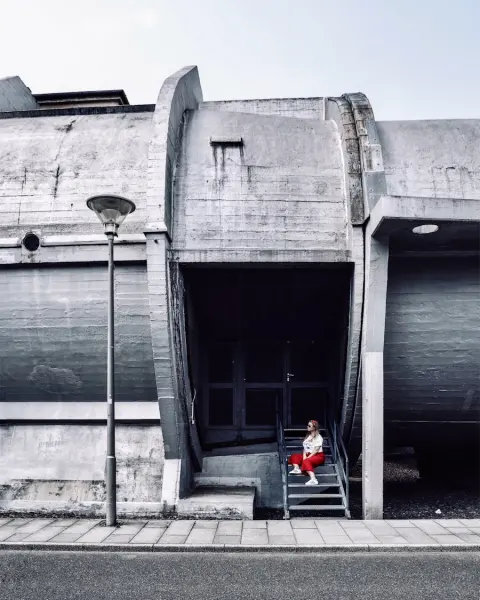
Adlershof
Tech and university district. Humboldt natural sciences, WISTA science park, new buildings.
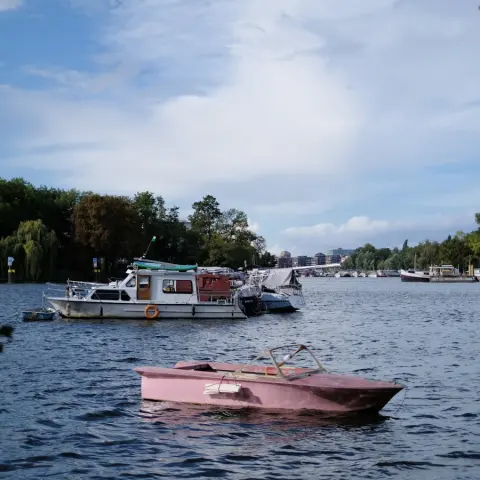
Alt-Treptow
Southeast on the Spree. Treptower Park, alternative scene, tech, prices more accessible than Friedrichshain.
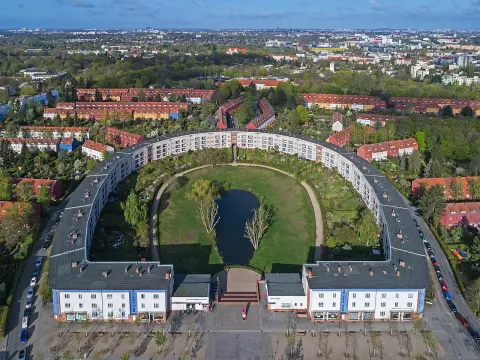
Britz
Green and quiet: the UNESCO Hufeisensiedlung and the Britzer Garten.
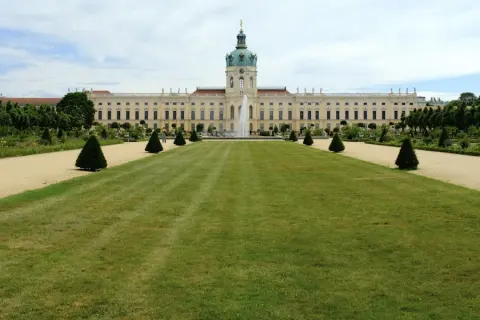
Charlottenburg
Bourgeois, classic, western. Schloss Charlottenburg, Ku'damm, orderly elegance.
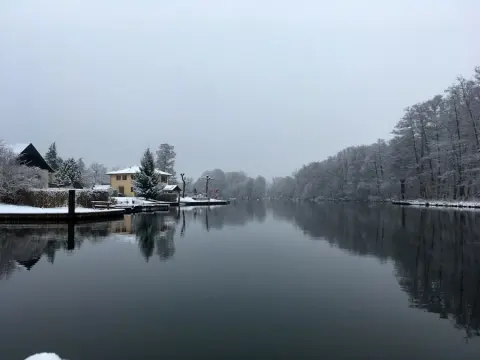
Charlottenburg-Nord
Northern tail of Charlottenburg, 1950s-60s housing, with Jungfernheide and the canal within reach.
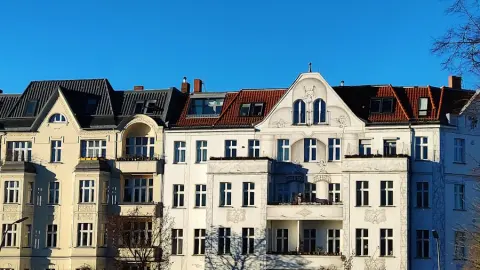
Dahlem
University and residential quarter. The FU, academic villas, museums and the Botanischer Garten.
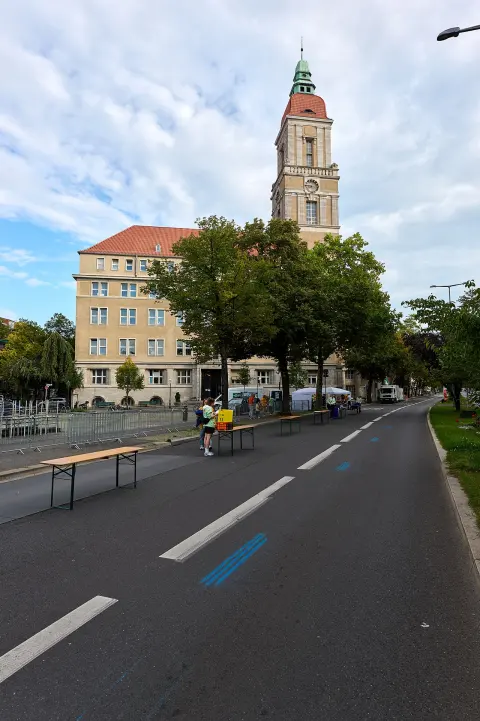
Friedenau
Bourgeois and literary, leafy and quiet: the calm western Berlin, well served by the U9.
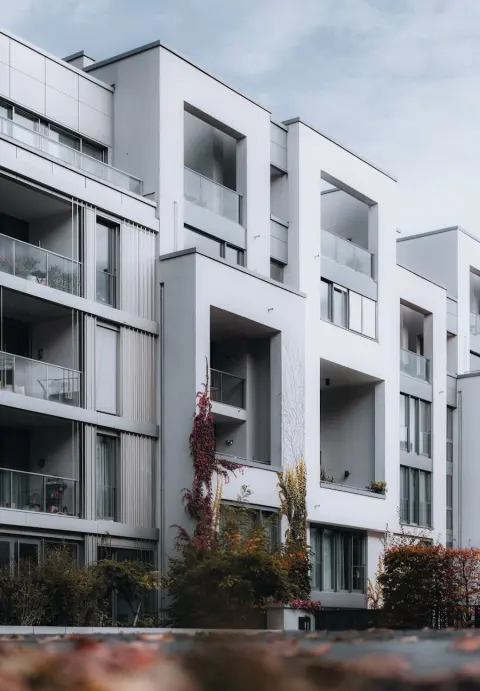
Friedrichsfelde
East Berlin, part of Lichtenberg. The Tierpark zoo, a baroque palace, residential, quiet, affordable.
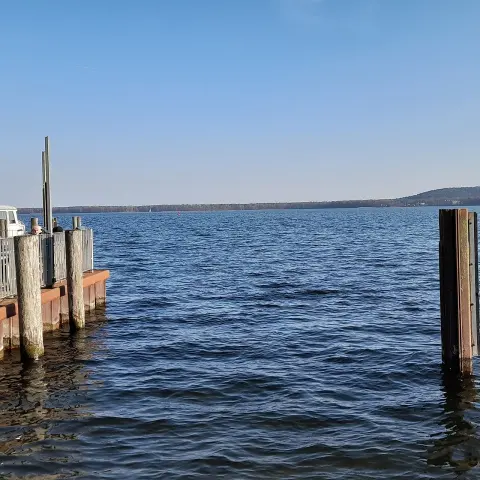
Friedrichshagen
The little town on the Müggelsee: Bölschestraße, lake and a village feel.
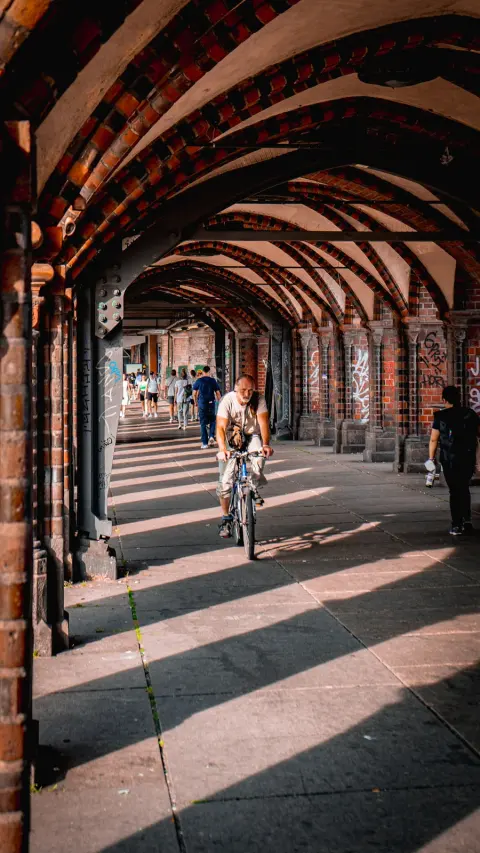
Friedrichshain
Ex-East gone young and alternative. East Side Gallery, techno clubs, dense student life.
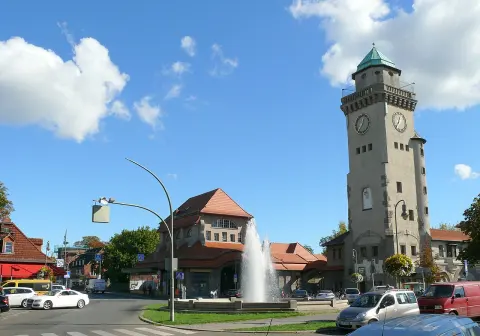
Frohnau
Garden city of villas and greenery at the far north, on the S1.
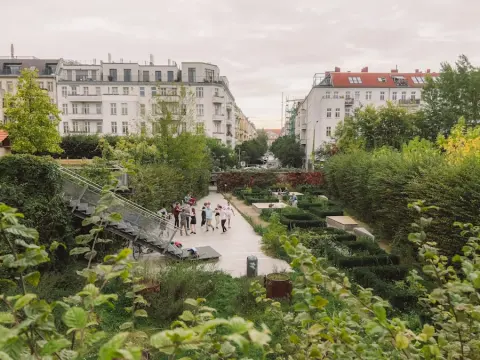
Gesundbrunnen
Multicultural and working-class. Borders Mauerpark and Humboldthain, accessible prices.
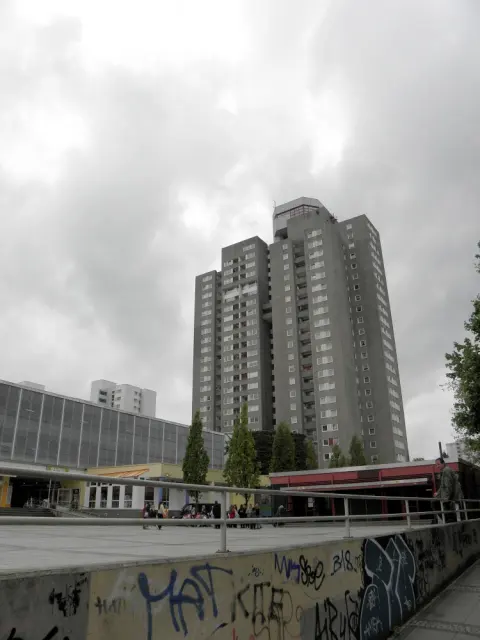
Gropiusstadt
Modernist towers set in greenery, working-class and well served by the U7.
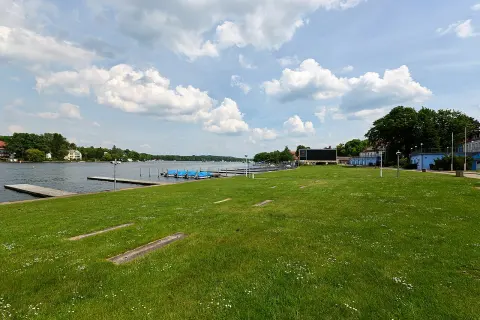
Grünau
River, woods and water sports: the green, silent south-east.
Grunewald
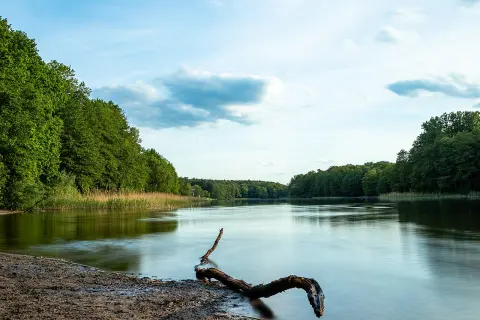
Forest, lakes and period villas: the green, affluent lung of western Berlin.
Halensee
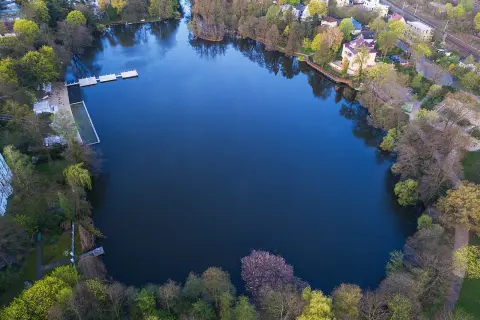
Bourgeois and quiet west of the Ku'damm, on the S-Bahn ring.
Hansaviertel
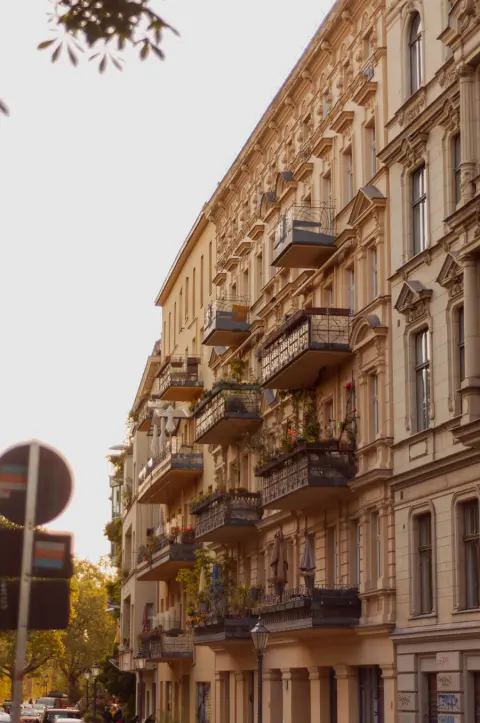
1950s modernist neighborhood (Interbau 1957). Niemeyer, Aalto, Gropius. Greenery, tranquility.
Hellersdorf
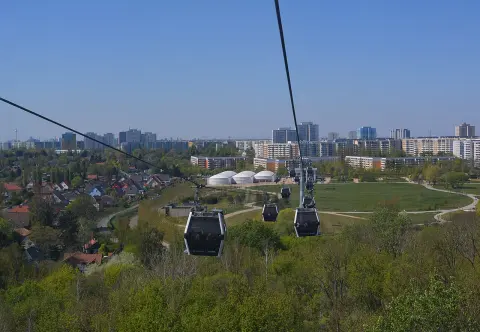
Eastern extension of Marzahn. GDR Plattenbau, parks, prices among the lowest in Berlin. A family district.
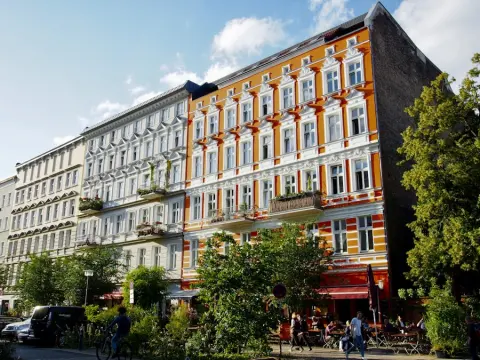
Karlshorst
Residential island in Lichtenberg. Art-nouveau villas, tree-lined avenues, racecourse, almost suburban calm.
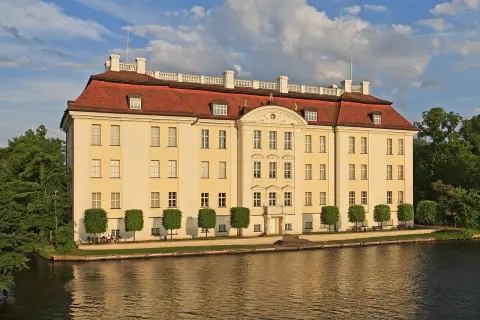
Köpenick
Berlin's lakes and forests. Medieval old town, castle, Müggelsee, another life.
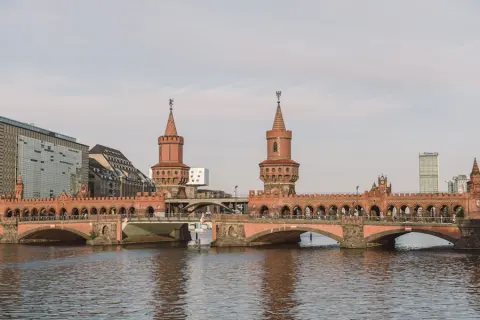
Kreuzberg
Multiethnic, rebellious, creative. Alternative Berlin par excellence, from Türkenmarkt to clubs along the Spree.
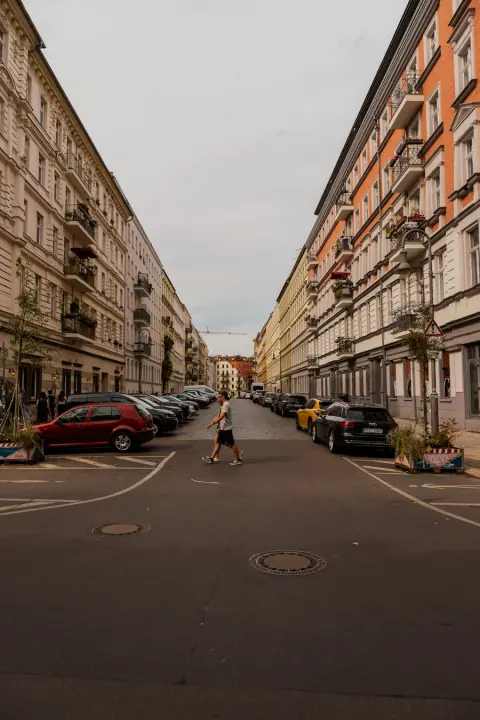
Lichtenberg
Working-class East, ex-GDR. Accessible prices, authentic Kiez life, far from tourism.
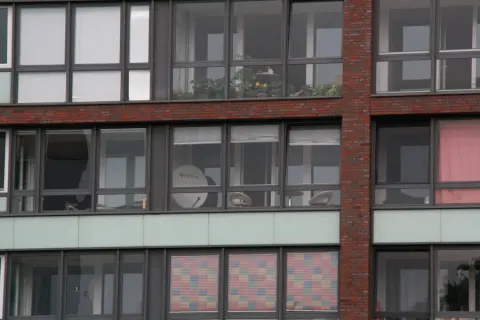
Lichterfelde
Germany's first villa colony. Residential south, tree-lined avenues, quiet Anglo-Saxon atmosphere.
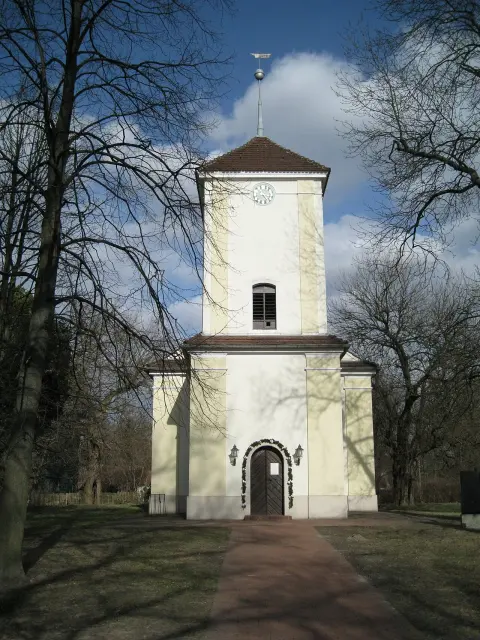
Lübars
Berlin's rural village: fields, farms and riding stables at the far north.
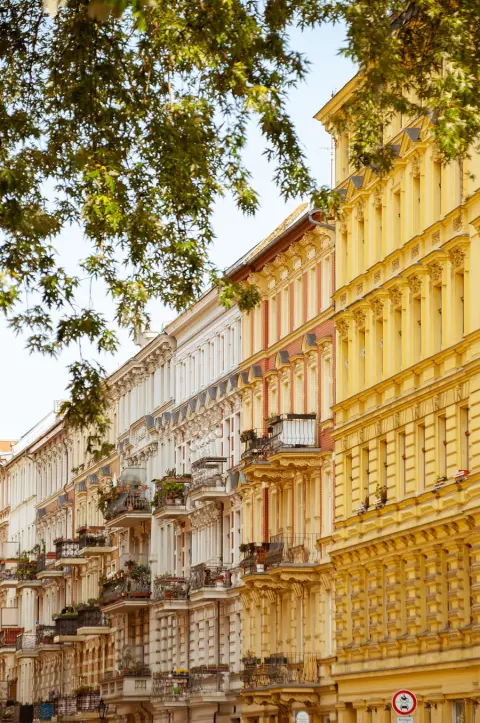
Mariendorf
Family-oriented southern Berlin, racetrack, Volkspark and early-1900s Altbau.
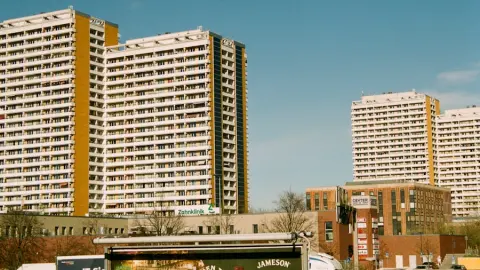
Marzahn
The Berlin of GDR Plattenbau. Green, well-served, prices among the lowest in the city. Surprising once you look.
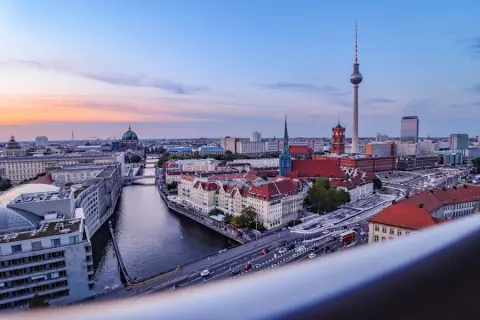
Mitte
The historic and political heart. Museums, hotels, tech-cosmopolitan life behind the tourist facades.
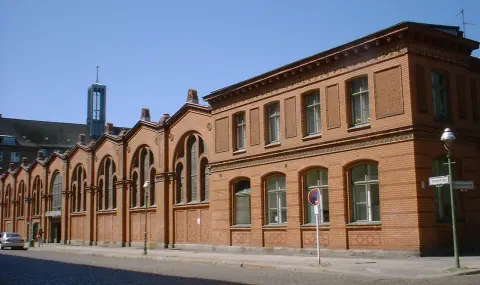
Moabit
Literally a river island, ex-working-class. Prices below downtown, quiet Kiez life.
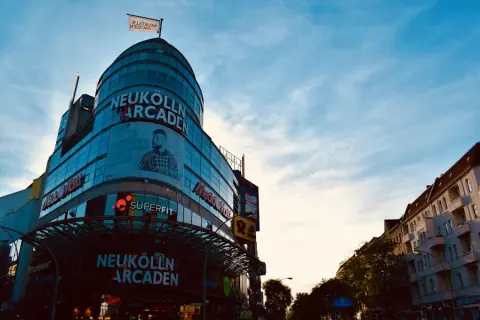
Neukölln
Multicultural, in ferment. The creative energy Kreuzberg had twenty years ago, today here.
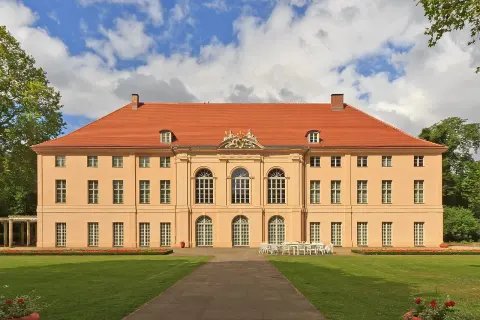
Niederschönhausen
Villas, castle and park: the green, quiet north of Berlin, served by the tram.
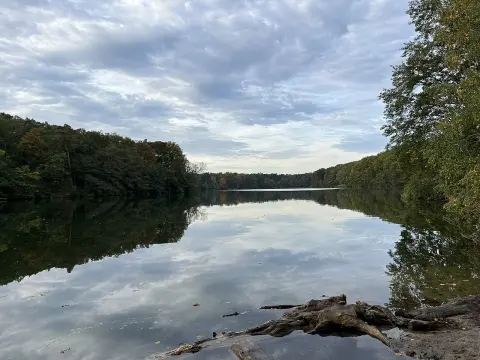
Nikolassee
Villas in the woods between two lakes: the green, affluent south-west.
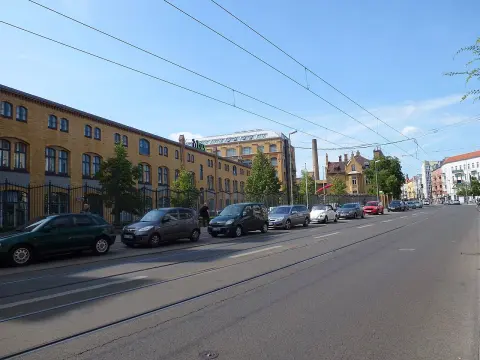
Oberschöneweide
Former industrial on the Spree, reborn around the HTW campus: a student magnet.
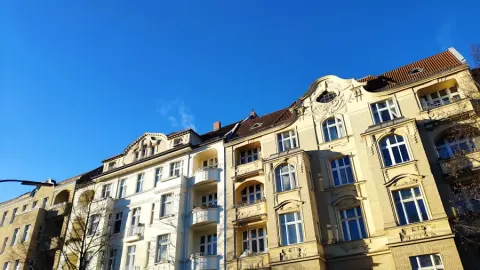
Pankow
Family-residential, north of Prenzlauer Berg. Quiet, well-connected, more accessible prices.
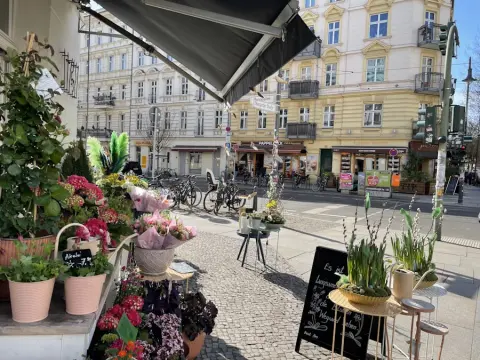
Prenzlauer Berg
Squats in the '90s, today cappuccino and families. Kollwitzplatz, brunch, orderly East Kiez.
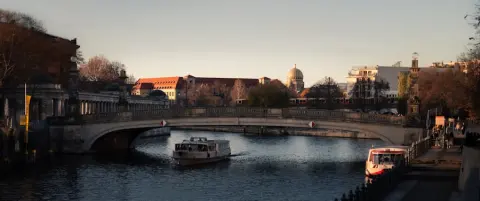
Reinickendorf
Far north of Berlin. Residential, calm, green, accessible prices. Far from tourism.
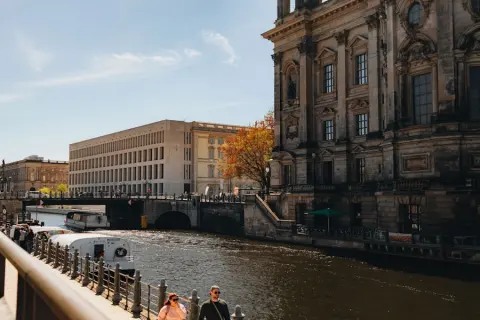
Rummelsburg
On the Rummelsburger See. In full transformation, new buildings, bike lanes, lake life near the centre.
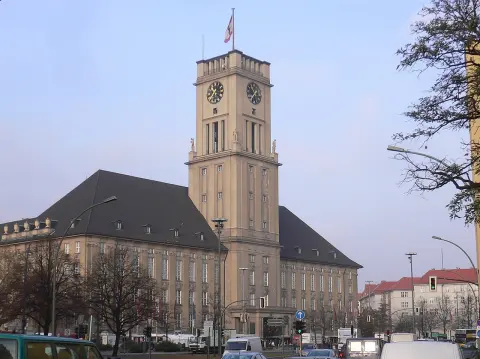
Schöneberg
Classic, western, historic LGBTQ+ scene. Winterfeldtmarkt, solid restaurants, relaxed life.
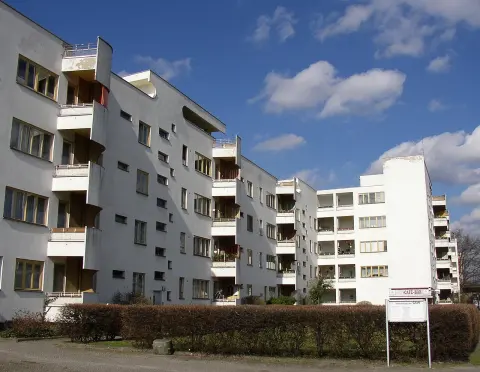
Siemensstadt
Company town with a UNESCO Großsiedlung: calm, greenery and direct on the U7.
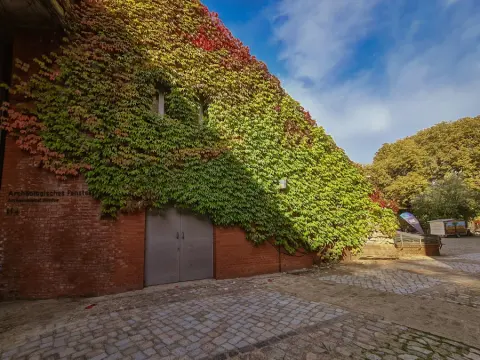
Spandau
A city within the city. Renaissance citadel, old town, autonomous identity. Locals say they go "to Berlin".
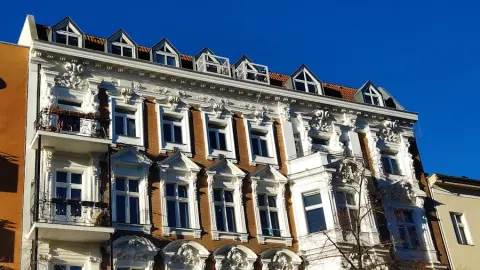
Steglitz
Bourgeois southwest, ex-West Berlin. Quiet residential, near the Botanischer Garten.
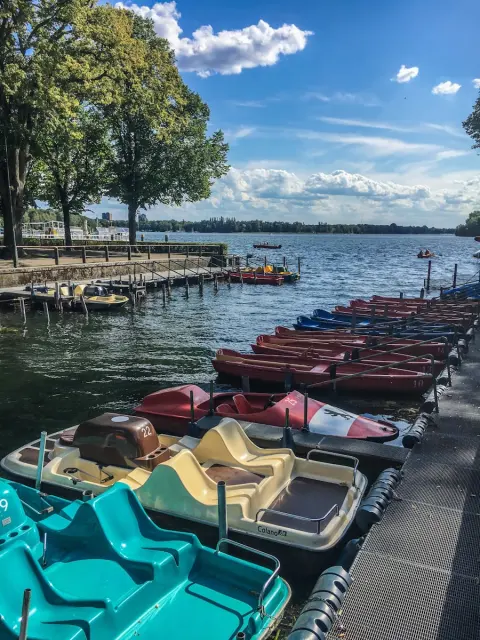
Tegel
Lake, forest, ex-airport. Berlin's green north-west in transformation. Small-town life on the water.
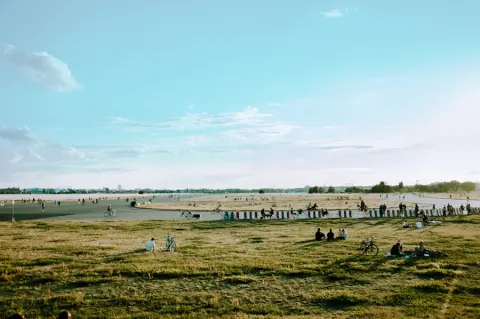
Tempelhof
Authentic southern Berlin, Tempelhofer Feld, mix of Altbau and postwar blocks, real Kiez life.
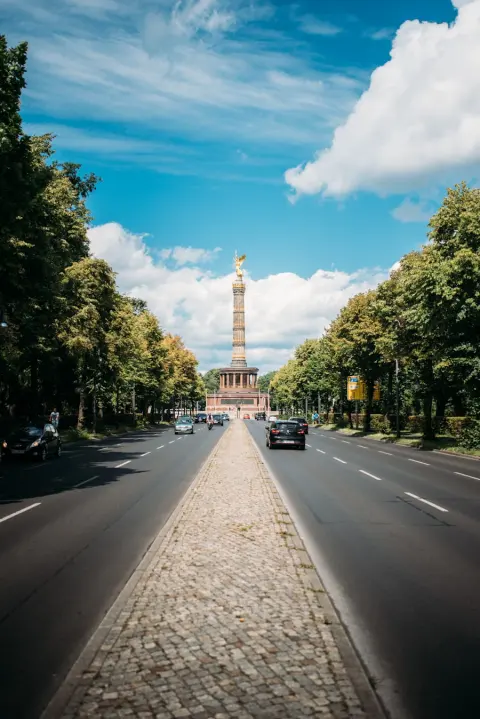
Tiergarten
The large central park, embassies, Reichstag. High-level quiet residential.
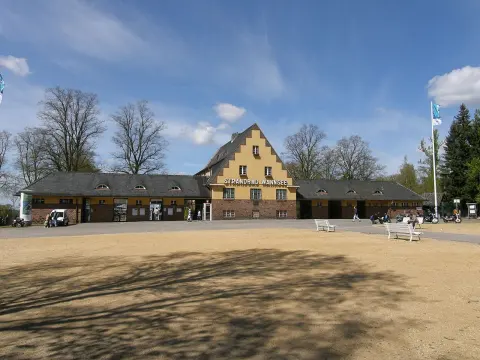
Wannsee
Lake, beach and villas: the Berliners' seaside at the far south-west.
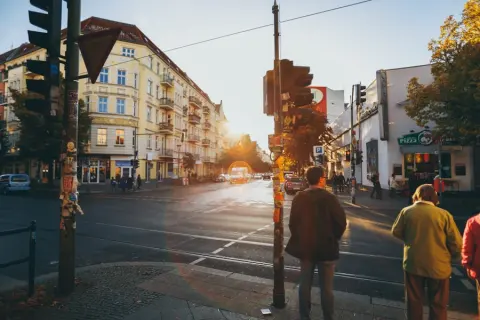
Wedding
Multicultural, working-class, slowly transforming. Among the most accessible central prices.
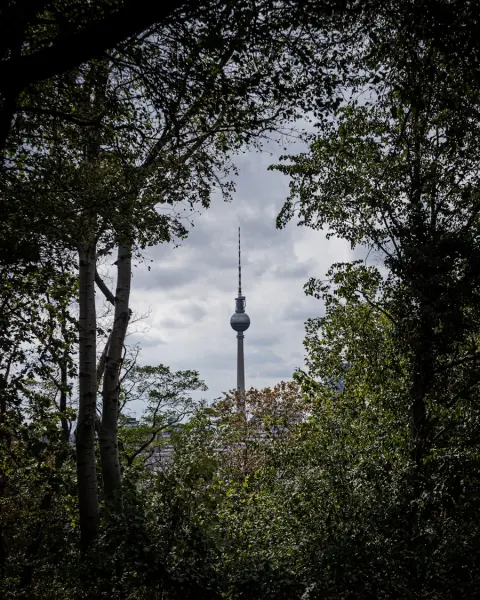
Weißensee
North-east of Pankow, around the white lake. Slowly transforming, still affordable, a young scene arriving.
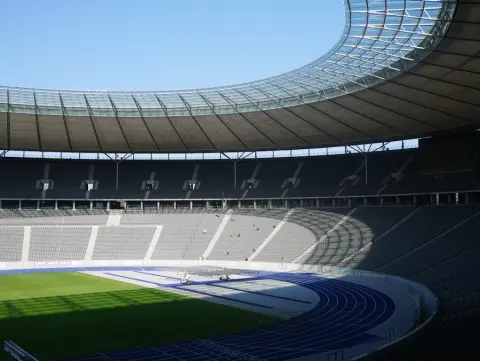
Westend
Genteel West Berlin, Jugendstil villas, leafy avenues, the Grunewald next door.
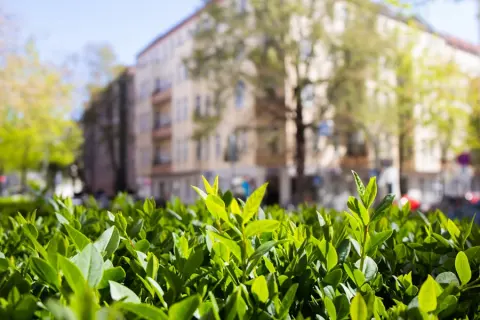
Wilmersdorf
Bourgeois West Berlin, elegant Altbau, the Volkspark and a sober, orderly Kiez.
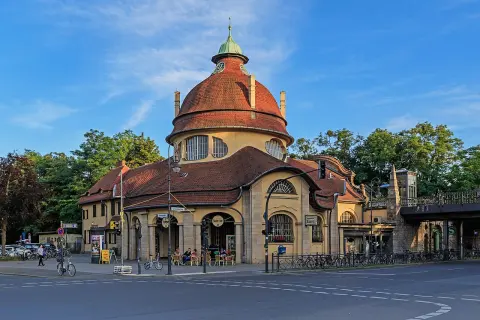
Zehlendorf
Residential green south-west. Villas, lakes, quiet life. One of Berlin's wealthier areas.