
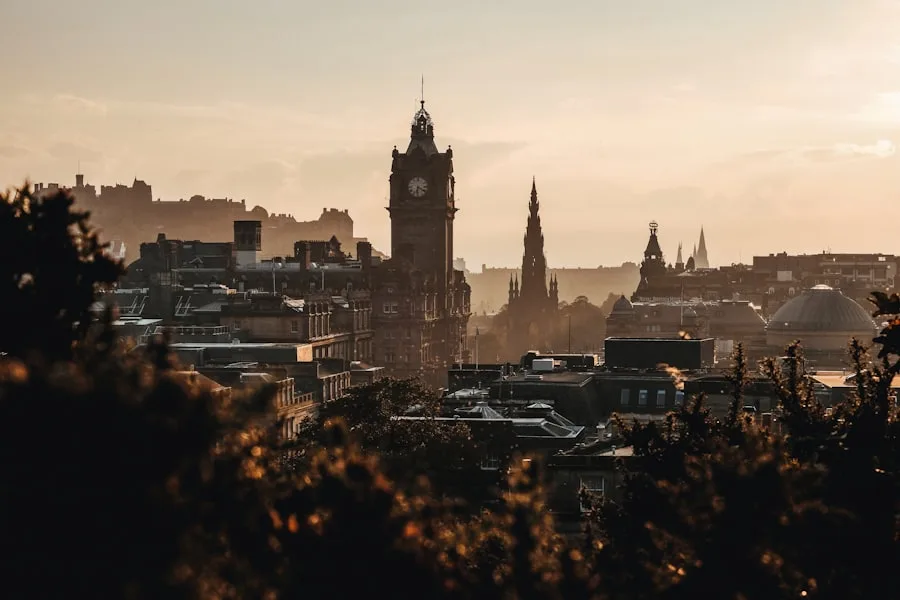
Living in Edinburgh, United Kingdom
Room to rent from private landlords Edinburgh - no agency fees
What you need to know before signing a PRT tenancy in Edinburgh - how the rental market works, the NI number, council tax, the NHS, Lothian Buses and the tram, and how the city's neighbourhoods differ from one another.
Edinburgh isn't a big city in numerical terms - about 488,000 inside the local authority boundary - but it punches above that weight for visitors, students, and people moving for work. It's the capital of Scotland, the seat of the Scottish Parliament, the home of two large universities, and the site of the largest arts festival in the world each August. For people actually moving here it's a city where the rental market is tight, the bureaucracy is UK-standard (no ID card, but plenty of paperwork), and the neighbourhoods - Old Town, New Town, Leith, Stockbridge - each have a distinct character.
The city in a few sentences
Edinburgh sits on a series of volcanic hills overlooking the Firth of Forth on the east coast of Scotland. The Old Town and the New Town - together a UNESCO World Heritage Site since 1995 - sit either side of the Princes Street Gardens valley, with the Royal Mile running along the ridge from Edinburgh Castle down to the Palace of Holyroodhouse. Arthur's Seat, an extinct volcano 251 metres high, rises immediately east of the centre. Leith - the historic port - sits to the north on the Forth. The city extends west to the suburbs of Corstorphine and Murrayfield and south to the Pentland Hills.
The climate is cool maritime - mild winters that rarely drop below freezing for long but feel sharp because of the haar (the sea fog rolling in from the Forth), and cool summers averaging 18-20 °C. Winters are dark - sunset around 3:40 PM in mid-December - and the east coast wind is a defining feature.
The language
English is the language of daily life. Scottish English has distinctive features - aye for yes, wee for small, messages for groceries - and Scots and Scottish Gaelic are minority indigenous languages (Gaelic is spoken mostly in the Hebrides). The accent is broadly the educated Edinburgh register, easier for non-native speakers than Glaswegian or rural Scots accents. The universities and the international workforce keep the city polyglot - Polish, Romanian, Italian, French, Spanish, Chinese, and Arabic are all visible community languages.
Renting a room: how it works
Edinburgh's rental market is one of the tightest in the UK, especially during August (Festival season distorts supply) and September (student term start). Rooms in shared flats - HMOs (Houses in Multiple Occupation) - circulate through the main property portals and room-share sites, and through university and Facebook groups. A significant share of stock goes through letting agencies.
The standard Scottish tenancy since 2017 is the Private Residential Tenancy (PRT) - an open-ended contract that replaced the old Short Assured Tenancy (SAT). PRTs have no fixed term and the tenant can leave with 28 days' notice; the landlord can only end the tenancy on specific statutory grounds. Rent increases are capped to once a year and tenants can appeal them to the First-tier Tribunal.
Deposits are typically four to six weeks' rent and must be protected in one of three Scottish Government-approved schemes - SafeDeposits Scotland, Letting Protection Service Scotland, or MyDeposits Scotland - within 30 working days of receipt. The landlord must give you written details of which scheme. Many landlords require proof of income (typically 2.5 to 3 times the rent), references, and sometimes a guarantor. The Tenancy Deposit Schemes return your deposit at the end with any deductions adjudicated independently.
Documents: NI number, council tax, the bank account
There is no ID card in the UK. The first practical document for new arrivals is the National Insurance number (NI), the personal tax and social-security identifier. EU citizens with pre-settled or settled status, and non-EU citizens with a work or study visa, apply for an NI online through gov.uk; the process usually requires a video identity check and takes 4-8 weeks. Without an NI you can still work (your employer can use a temporary identifier) but you'll be put on an emergency tax code (such as 1257L W1/M1) that temporarily removes your progressive allowances and reduces your take-home pay until it's recalculated.
You'll also need a UK bank account. Most landlords expect you to pay rent from one, and salary payment is routinely UK-account-only. Some online banks (Monzo, Starling, Revolut) accept a passport and a UK address (a rental contract suffices) and open within a few days; traditional banks (Bank of Scotland, RBS, HSBC) require more paperwork.
Council tax is the local-government tax, charged monthly and split into bands A-H by property value. As a single occupant you get a 25% reduction; full-time students are exempt. The council tax bill arrives shortly after you register your address with the City of Edinburgh Council - you can do this online at edinburgh.gov.uk.
EU vs non-EU after Brexit
Since January 2021 EU/EEA/Swiss citizens no longer have automatic right to live and work in the UK. Those who arrived before 31 December 2020 had until 30 June 2021 to apply for EU Settlement Scheme status - either settled status (5+ years' residence) or pre-settled status (less than 5). The status is digital-only and shared with landlords and employers via the gov.uk View and Prove service.
Arrivals after 1 January 2021 need a UK visa. The most common routes for moves to Edinburgh are the Skilled Worker visa (employer-sponsored, salary thresholds apply), the Student visa (for the universities), the Graduate route (two years' open work permission after a UK degree), the High Potential Individual visa (for graduates of certain top universities), the Global Talent visa, and various family routes. The Biometric Residence Perm(BRP) is being phased out for digital eVisas through 2025-2026.
Healthcare: NHS Scotland
Healthcare in Scotland is run by NHS Scotland, separate from NHS England but free at the point of use for residents. You register with a local GP practice using a Health Board form; the practice does not charge and there is no premium or insurance to pay. Prescriptions in Scotland are free (unlike England, where they're charged). NHS dental treatment exists but adult NHS dentists are oversubscribed in most areas - many residents go private.
Registering with a GP requires only proof of address (a tenancy agreement or a utility bill); the immigration health surcharge (IHS) is paid up front by visa holders as part of the visa fee and gives full NHS access for the duration of the visa. The NHS 24 helpline (dial 111) handles non-urgent out-of-hours questions; A&E departments handle emergencies.
Transport: Lothian Buses, the tram, ScotRail
Edinburgh's public transport is dominated by Lothian Buses - one of the last municipally owned bus operators in the UK and consistently the highest-rated. The network covers the city extensively, with single fares paid through Tap on/tap off contactless (with a daily and weekly fare cap), the Ridacard monthly pass, or cash on board. Day tickets and the contactless cap put a flat ceiling on a day of travel. Lothian 35 runs from the city centre to Ocean Terminal in Leith; the 26 covers the east-west spine; the 11 reaches the Royal Botanic Garden; night buses (N1, N3, N16, N26) run weekend overnights.
The Edinburgh Tram runs a single line from Newhaven via Leith Walk, St Andrew Square, Princes Street, Haymarket, and Murrayfield to Edinburgh Airport. The line opened in 2014 and was extended to Newhaven in 2023. Trams and Lothian Buses share the same fare system and contactless cap.
ScotRail runs commuter and intercity trains from Waverley (the main central station) and Haymarket. London is about 4h 20m by LNER intercity; Glasgow is 50 minutes on the express; the Borders Railway serves the south. Cycling is feasible - segregated routes exist on Leith Walk and along the Union Canal and Water of Leith - but the city's hills make bikes less default than in flat Dutch cities.
Working and studying
Edinburgh concentrates UK headquarters in finance and asset management (Edinburgh is one of the largest fund-management centres in Europe), legal services, tourism, government (the Scottish Government and Scottish Parliament), and a growing tech sector. English-only workplaces are the default. The Royal Mile and Old Town are heavily tourism-driven.
The two large universities are the University of Edinburgh (Russell Group, founded 1583, around 50,000 students across multiple central campuses) and Heriot-Watt University (centred on the Riccarton campus to the west). Napier University and Queen Margaret University (in Musselburgh) cover applied subjects. Tuition for Scottish-domiciled and EU-with-pre-settled-status undergraduates is paid by SAAS; English, Welsh, Northern Irish and international students pay full fees (the national capped fee for UK students, several times more for international).
Daily life: schedules, the Festival, the winter darkness
Edinburgh runs on UK times. Lunch is light (sandwich or salad, 12-1 PM); dinner is 6-8 PM with most kitchens closing by 9:30 or 10 PM. Pubs are the social default - opening times vary but most run until 11 PM weekdays and 1 AM weekends, with late-license bars and clubs going to 3 AM. Sundays are quieter - supermarkets open 10 AM-7 PM (Scottish licensing law restricts Sunday alcohol sales), restaurants run normally.
August is Festival month: the Edinburgh Festival Fringe (the world's largest arts festival, with around 3,500 shows), the International Festival, the Book Festival, the Royal Edinburgh Military Tattoo, and a dozen smaller festivals run simultaneously through August. The city's population effectively doubles, rental prices distort wildly, and the Royal Mile and Old Town become almost impassable. Hogmanay (New Year) is the other big civic event, with a street party and fireworks. The winter is dark - sunset before 4 PM in December - and the seasonal affective disorder effect is widely acknowledged among long-term residents.
The neighbourhoods
Edinburgh's neighbourhood differences are real and locally important. The Old Town and New Town are the World Heritage core; Leith is the post-industrial harbour reborn; Marchmont and Bruntsfield are student- and family-rich tenement quarters; Stockbridge is the upscale village-feel pocket; Southside is the student spine.
The neighbourhood guides below cover the central West End and adjacent Haymarket, the medieval Old Town and the gentrified port of Leith, the Georgian New Town and the historic Canongate, the bohemian Broughton and the small Dumbiedykes, the harbour village of Newhaven and the leafy Canonmills, Abbeyhill on the eastern edge, the student Southside, the upscale Stockbridge, the lively Tollcross and the family-rich Sciennes.
Edinburgh neighborhoods
Each neighborhood has its own character. Read the guides to pick the right one for you.
Abbeyhill
Victorian east. Holyrood Park at the door, family and student mix, cheaper than New Town.
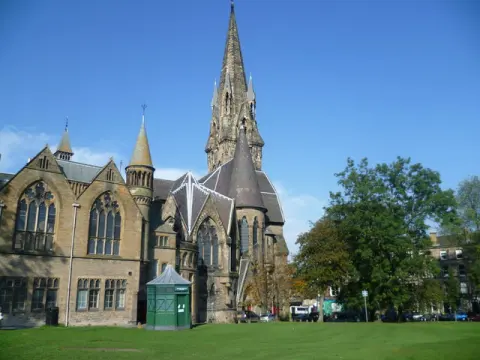
Bruntsfield
Leafy south. Tenements on the Links, indie shops, 15 minutes' walk to Old Town across the Meadows.
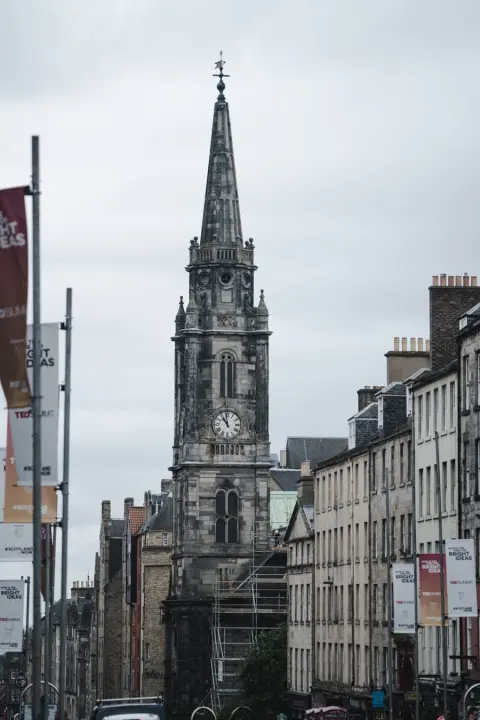
Canongate
Lower Royal Mile. Scottish Parliament, Holyrood Palace, fewer tourists than Castle end.
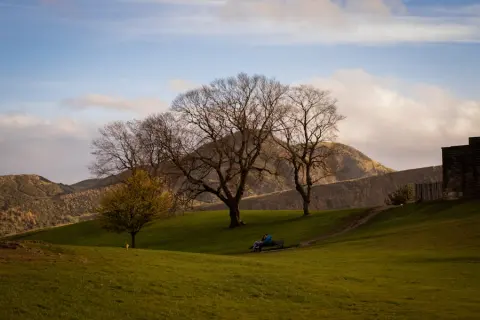
Corstorphine
West Edinburgh village suburb. Zoo, Corstorphine Hill, St John's Road high street, easy A8 bus run to the centre.
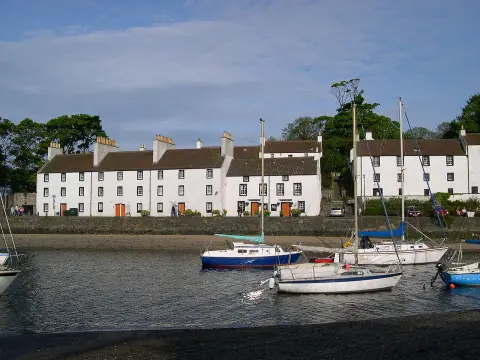
Cramond
Coastal village with a Roman fort, an island and a seafront: Edinburgh's seaside.
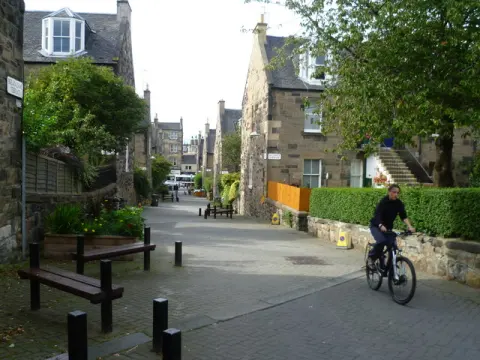
Dalry
West tenements. Dalry Road shops, dense Victorian flats, cheaper rent near the centre.
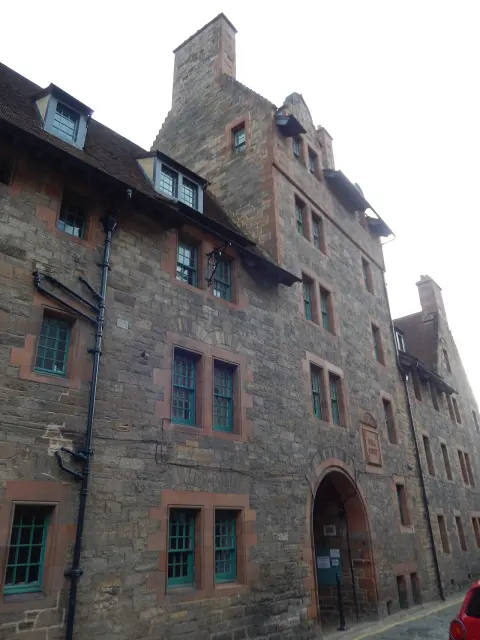
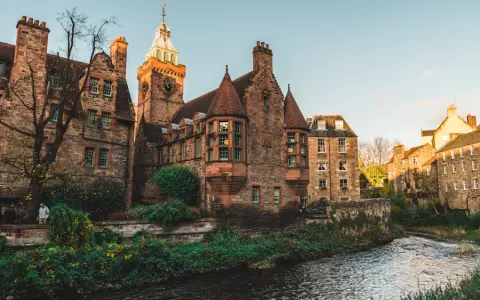
Dean Village
The old milling hamlet on the Water of Leith: stone, water and quiet near the centre.
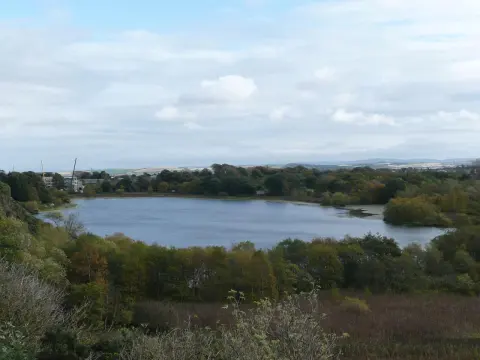
Duddingston
Historic village below Arthur's Seat, on the loch: a corner of countryside in the city.
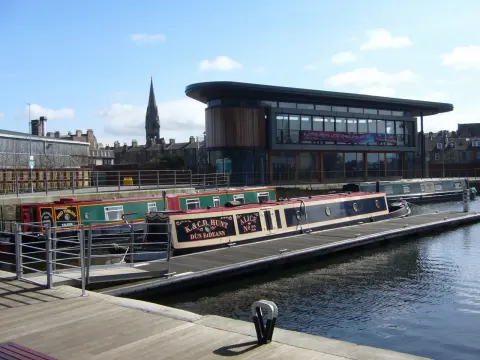
Fountainbridge
The former industrial district reborn along the Union Canal: modern and central.
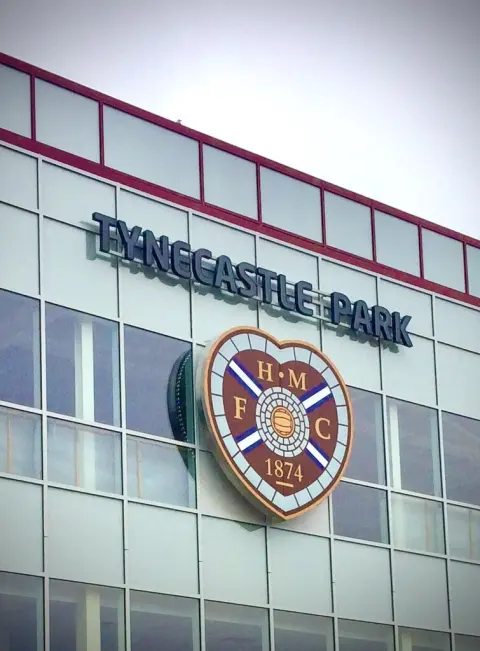
Gorgie
Working-class neighbourhood of the west with the Hearts stadium: affordable and local.
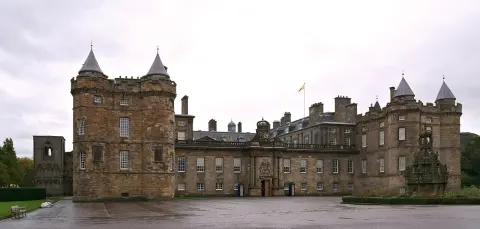
Holyrood
The Parliament, the royal palace and Arthur's Seat: old town and nature together.
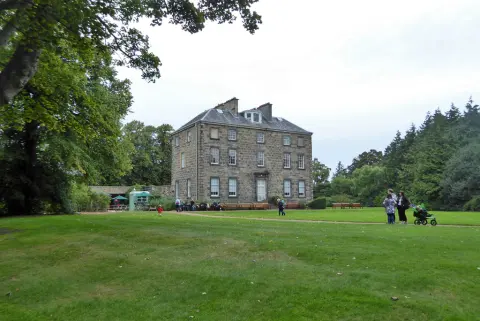
Inverleith
Around the Royal Botanic Garden: greenery, Victorian terraces and genteel quiet.
Leith
Historic port reborn. The Shore restaurants, Royal Yacht Britannia, Water of Leith, strong identity.
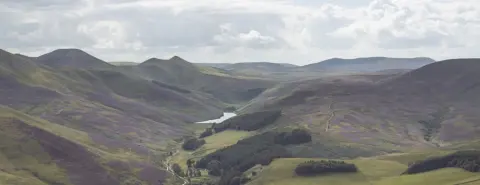
Liberton
South Edinburgh hill suburb. Liberton Kirk, Liberton Tower, Cameron Toll, family streets, Braid Hills walks.
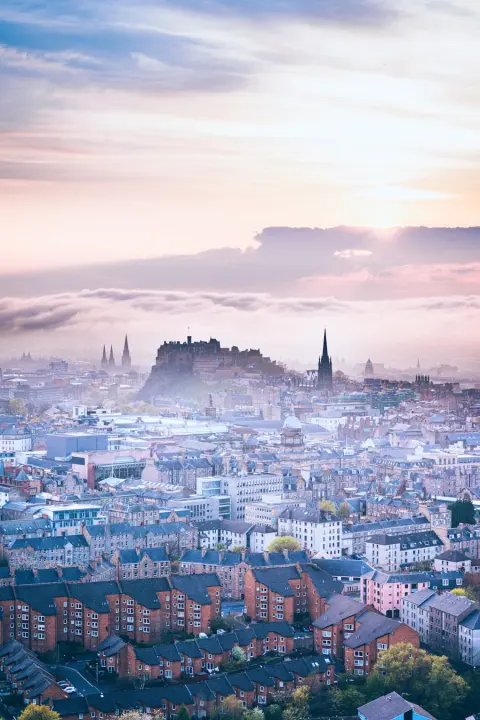
Marchmont
Student tenements. Long Victorian terraces on the Meadows, five minutes from the University.
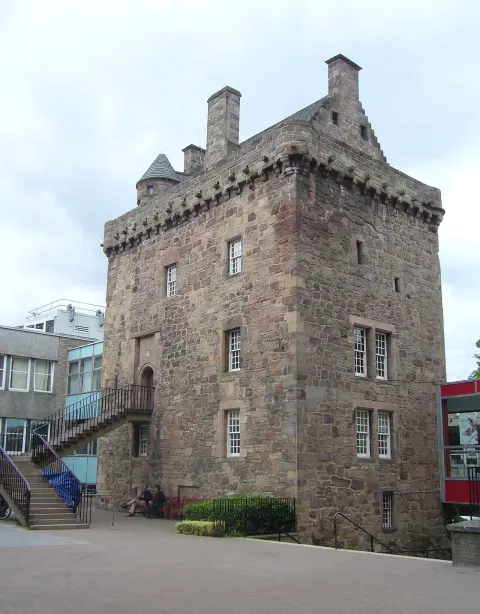
Merchiston
Victorian villas and a university campus: genteel residential near the centre.
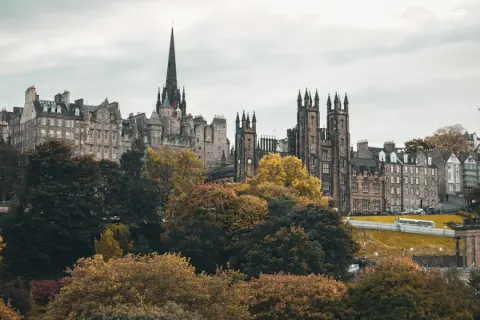
Morningside
Residential south. Victorian villas, Holy Corner churches, Dominion cinema, long independent high street.
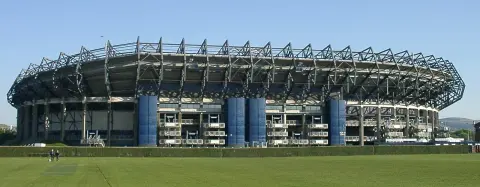
Murrayfield
Victorian villas around the rugby stadium: genteel residential, with the tram.

New Town & Broughton
Georgian quarter. Charlotte Square, George Street, broad terraces, UNESCO World Heritage core.
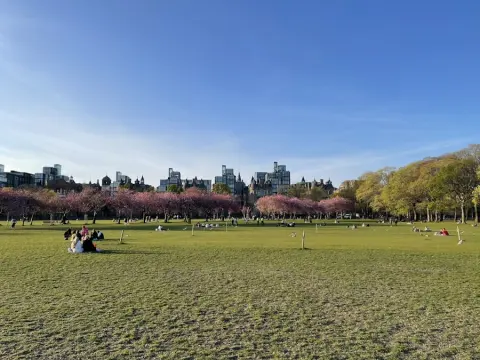
Newington
Quiet south between Meadows and Marchmont. Victorian tenements, family-favourite, near University.

Old Town
Medieval ridge. Royal Mile, the Castle, closes and wynds, UNESCO core, heavily touristed.
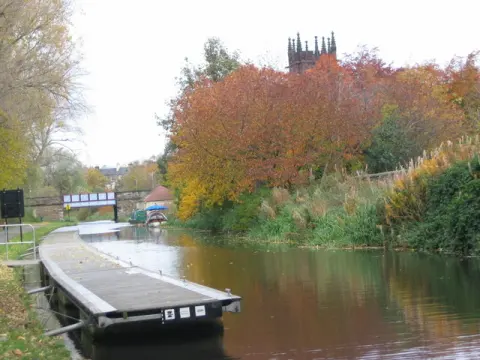
Polwarth
Quiet residential neighbourhood on the Union Canal, near the centre.
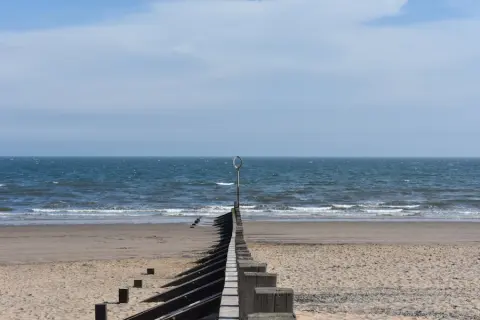
Portobello
Edinburgh by the sea. Two miles of sand, Victorian promenade, indie cafés, community-owned cinema.
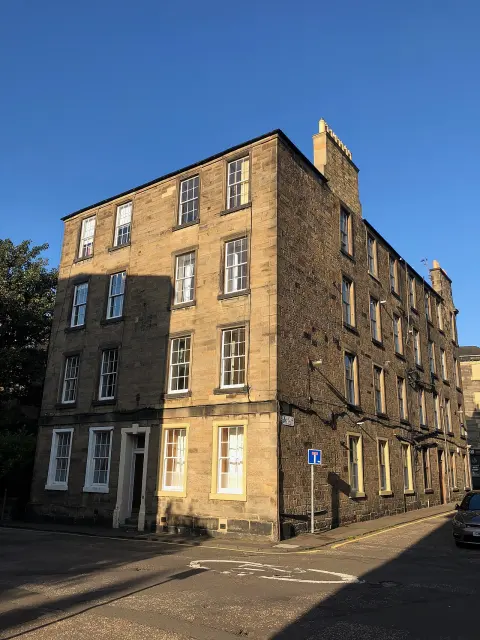
Sciennes
Victorian tenements south of the Meadows, next to the university: central and in demand.

Southside
Student spine. Edinburgh University campus, Festival venues, Victorian tenements with HMOs.
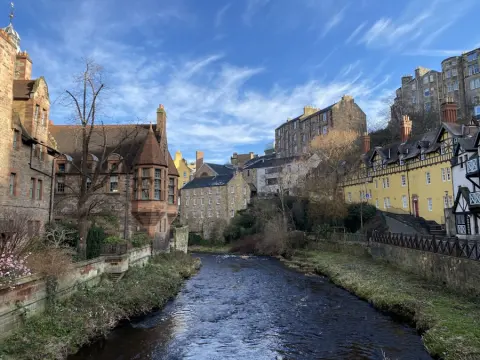
Stockbridge
Upscale village. Sunday market, Water of Leith, independent boutiques, family and professional favourite.
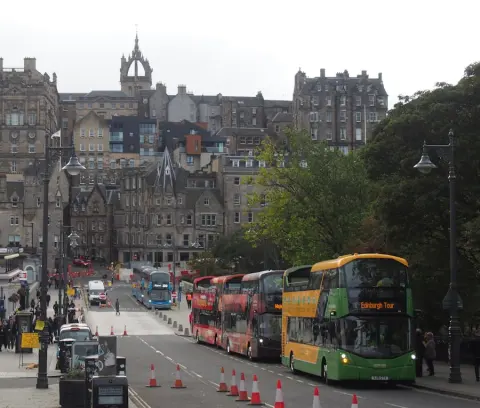
Tollcross
Lively central south. Five-way junction, Cameo Cinema, King's Theatre, pubs and curry houses.
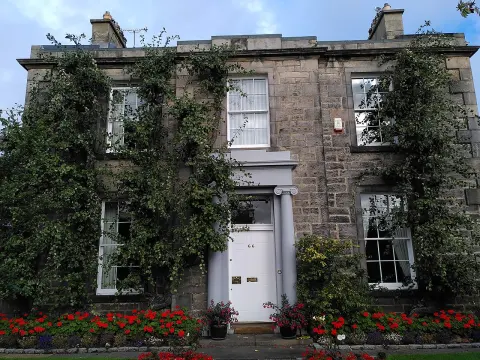
Trinity
Green residential neighbourhood of the north, near the coast: quiet and villas.
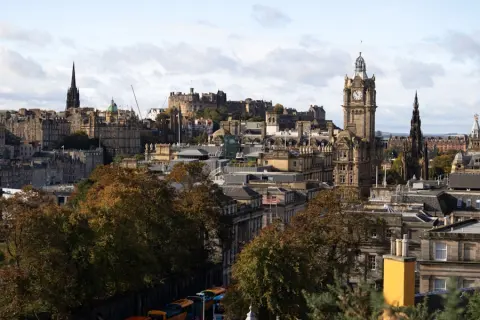
West End
Central west. Georgian crescents, Usher Hall, theatres, dense tenement housing above commercial streets.