
Living in Corstorphine, Edinburgh
Room to rent from private landlords Living in Corstorphine, Edinburgh - no agency fees - Edinburgh
A village-feel suburb about five miles west of the centre, anchored by St John's Road, the wooded slopes of Corstorphine Hill and the gates of Edinburgh Zoo. Practical, quiet, well-bussed - popular with families, rugby crowds on Murrayfield weekends and people who want a real high street instead of tourist closes.
Corstorphine is a west Edinburgh suburb about five miles from the centre, between Murrayfield to the east and South Gyle/Drum Brae to the west. The neighbourhood keeps a strong village identity around the medieval Corstorphine Old Parish Church (1429) and the 16th-century Corstorphine Dovecot, the last remnant of the long-vanished Corstorphine Castle. To the north, Corstorphine Hill rises in woodland and viewpoints; to the south, Edinburgh Zoo sprawls along Corstorphine Road. The A8 cuts the area in two and carries most of the commuter traffic between the city and the airport.
Who lives here
Mostly long-term residents and families. Edwardian and inter-war stone villas dominate the streets off St John's Road, with newer flats and semi-detached houses filling in the edges. The area attracts professionals who want garden space and a school catchment without losing bus access to the centre; older residents are common in the postwar pockets. Students are present but in much smaller numbers than in the south of the city.
What it's like during the day
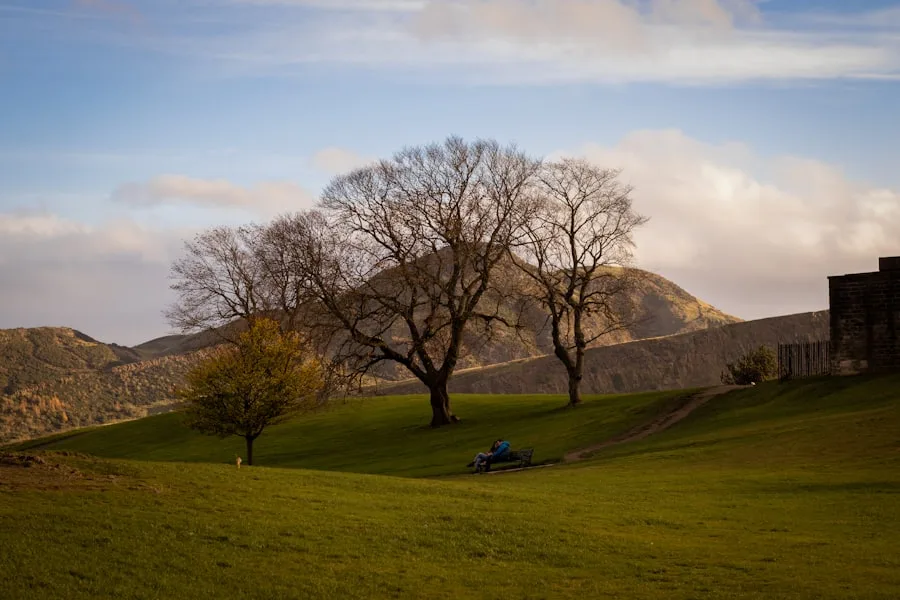
Quiet residential streets and a working high street. St John's Road is the centre of daily life - bakeries, independent shops, a post office, several cafés and a strong pub scene. Corstorphine Hill draws dog-walkers, runners and weekend families up to Rest and be Thankful and the Clermiston Tower viewpoint. Edinburgh Zoo is the regional anchor, with steady visitor numbers all year and a noticeable bump in school holidays.
What it's like in the evening
Calm. The Corstorphine Inn, The Cramond Brig, The Tickled Trout and Murrayfield Bar pull a local pub crowd in early evening; the area empties after 10 PM. Big exceptions are Six Nations rugby weekends and concerts at Murrayfield Stadium, when St John's Road and the surrounding streets fill with supporters before and after matches. Otherwise nightlife is short trips into Haymarket or the centre by bus.
Getting around
Buses are the backbone - Lothian lines 12, 26, 31 and the Airlink 100 run along St John's Road and Corstorphine Road, taking around 20-25 minutes to Princes Street. Edinburgh Airport is a 10-minute drive or a short Airlink hop. The tram does not serve Corstorphine itself - the nearest stops are at Edinburgh Gateway and Bankhead north of the area. The A8 makes the area car-friendly but is busy at rush hour.
Eating and shopping
St John's Road covers daily life - Tesco, Sainsbury's Local, Boots, butchers and bakers, and a row of independent cafés. Pubs and restaurants are local and unfussy. The Gateway retail park to the west and Hermiston Gait further out cover everything bigger. Independent shops have thinned over the last decade but the high street still works as a high street.
When NOT to pick it
If you want walkable nightlife or a short commute on foot - Corstorphine is genuinely suburban, you will rely on buses, and the last bus matters. Some of the streets close to the A8 carry heavy traffic noise. Property prices have risen sharply as Edinburgh families price out of the central south-side school catchments and look west. Corstorphine works best for people who want a real high street, garden space, easy airport and west-of-city access, and who do not mind taking the bus in for a night out.