
Photo Unsplash
Living in Kadriorg, Tallinn
Tuba üürile Living in Kadriorg, Tallinn - otse omanikult, vahendustasuta - Tallinn
Tallinn's grand residential district east of the Old Town: an early-eighteenth-century palace, a formal park, streets of wooden mansions, and the country's most expensive postal codes.
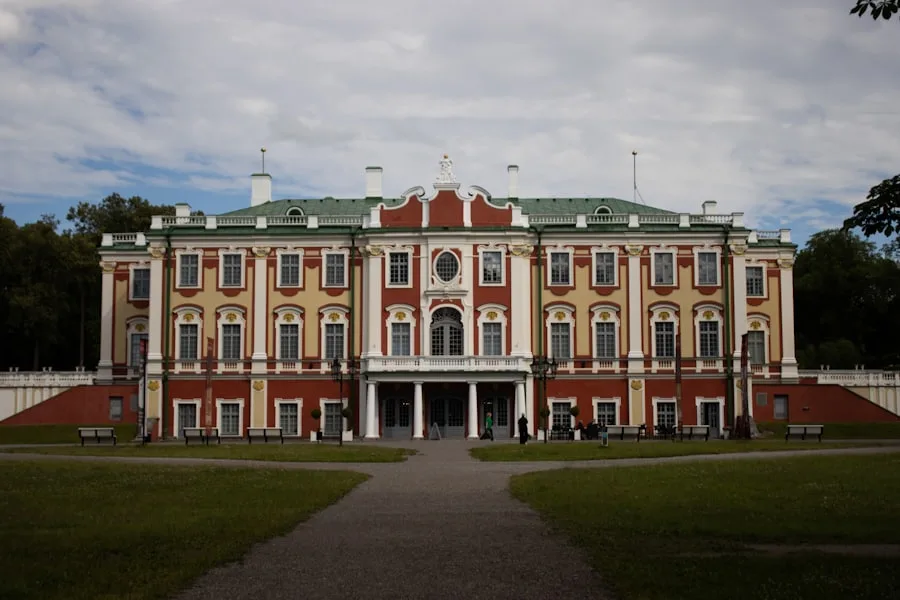
Kadriorg - "Catherine's Valley" - sits one kilometre east of the Old Town, beginning where Narva maantee passes the Russalka memorial. It is named after Catherine I, wife of Tsar Peter the Great, who commissioned the baroque palace as a summer residence between 1718 and 1725. The palace and its formal park are the geographic and reputational core. Around them, two centuries of wooden mansions and stone villas have made Kadriorg the most established upper-middle and diplomatic address in Tallinn - quiet, leafy, expensive, and consistently lived-in.
Who lives here
A particular mix. Old Tallinn families who bought or inherited the wooden mansions and stone villas, often subdivided into a handful of flats. A diplomatic layer - the Estonian president lives here, several embassies are in the surrounding streets. Professional couples and senior tech-sector workers paying premium rents for the location and quiet. A smaller and older population in the few Soviet-era buildings along Poska and Köleri. Far fewer rentals than in Kalamaja or Telliskivi - much of Kadriorg's stock is owner-occupied, which gives the streets a settled feel. Kids are visible: families do stay here longer term than in the Old Town.
What it's like during the day
Daytime Kadriorg is unusually calm for a central-city neighbourhood. The park is the everyday backdrop: a formal upper garden behind the palace, a wilder lower park with the Swan Pond, the Mikkel Museum, the Kumu contemporary art museum on the eastern slope. Tourists come for the palace and Kumu but cluster on a small number of paths; the residential streets to the north - Köleri, Faehlmanni, Lydia Koidula, Weizenbergi - see almost no through-traffic. Mornings have school runs and dog walkers, midday has retirees and museum visitors, late afternoon brings cyclists from the city centre using the seafront path.
What it's like in the evening
Quiet. Kadriorg has very limited nightlife - a handful of restaurants, the NOA group's NOA Chef's Hall on the coast at Pirita several kilometres away (a car or bus ride, not a walk), a few neighbourhood spots like Mantel ja Korsten, and the Kumu Kohvik café-restaurant inside the museum. For drinks people walk or take a tram twenty minutes to the Old Town or Telliskivi. After ten o'clock the streets are empty and beautifully lit; the wooden houses, the park gates, and the palace facade make a slow evening walk feel almost staged. The atmosphere is closer to a small spa town than a national capital.
Getting around
Trams 1, 3 and the city-centre buses run along Narva maantee, giving fifteen-minute trips to Vabaduse väljak and the Old Town. The walk to Viru is twenty-five minutes through pleasant streets. The Kadriorg tram terminus sits at the southern park entrance and is the main hub. Cycling is excellent - the seafront Reidi tee path runs straight into the centre and the other way out to Pirita beach and the convent. Cars work and parking is much easier here than in Kalamaja, but the inner park streets are narrow.
Eating and shopping
A Rimi on Narva maantee covers the basics; the Solaris and Foorum shopping centres are a tram stop away. The restaurant offer is small but solid: Mantel ja Korsten for upscale Estonian in a converted villa, NOP - the neighbourhood café-grocery on Köleri - as the unofficial community living room. Kumu Kohvik and the Kadriorg Park Cafe in the upper garden serve the museum crowd. For weekly shopping people go to Stockmann in the centre or Kristiine Keskus. Saturday mornings at NOP with a coffee and the Postimees newspaper are a recognisable Kadriorg ritual.
When NOT to pick it
If you want street life and bars within walking distance - Kadriorg has very little after eight in the evening. If your budget is anything other than substantial - sale prices and rents here are at the top of the national market. If you don't like the company of older money - the social texture is more "professional and established" than "creative and young". If you need lift access and modern building amenities - many of the wooden mansions are stair-only and renovations vary widely. If you want to feel "in the centre of things" - Kadriorg is close to the Old Town by tram but feels further; the rhythm is quieter.
Kadriorg is the right pick if you want green space outside your door, formal park and museum walks as your default leisure, and an address that signals settled rather than fashionable. For families with school-age children it works particularly well - Tallinn Inglise Kolledž is in the neighbourhood, the park is the kind of safe outdoor playground that's rare in central capitals, and the streets are quiet enough for kids to bike. As a long-term home in Tallinn it is probably the best pick if you can afford it.