
Photo Unsplash
Living in Stoneybatter, Dublin
Room to rent from private landlords Living in Stoneybatter, Dublin - no agency fees - Dublin
A gentrified inner-northwest district known for its tightly-packed Victorian cottages - the Cabbage Market, craft beer pubs, butcher shops with queues out the door, and one of the most distinctive village-feel neighborhoods in central Dublin.
Stoneybatter sits on the inner northwest of Dublin, between Grangegorman to the north, Smithfield to the south, the Phoenix Park to the west and Cabra to the northwest. The name is one of the most evocative in the city - "Stoneybatter" derives from the Irish Bóthar na gCloch (stone road), the medieval drovers' route that brought cattle into Dublin from the west. Historically a working-class district built to house the city's drovers, dockers and abattoir workers, Stoneybatter has gentrified comprehensively over the past 15 years and now ranks among the most desirable inner-Dublin residential addresses. The combination of tight Victorian cottage streets, a strong independent food culture and a real village feel has made the district one of the most identifiable in the city.
What it is
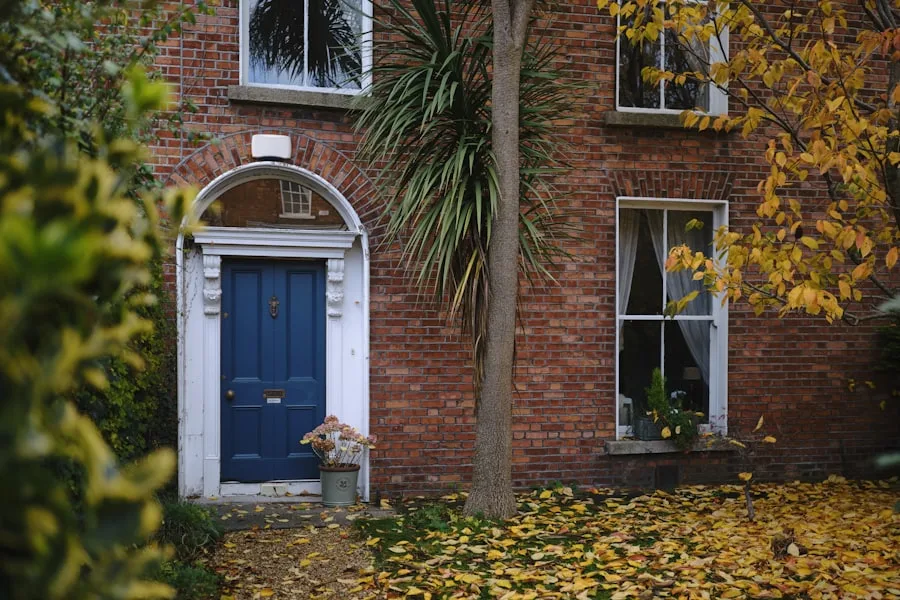
A dense district of mostly Victorian and Edwardian housing - one and two-storey workers' cottages packed tightly along narrow streets, with some three-storey terraces along the main spines. Manor Street and Stoneybatter (the spine) are the main commercial axes; the cross streets (Aughrim Street, North Brunswick Street, Prussia Street) are residential. The Cabbage Market on Manor Street (a tiny independent grocer that has anchored the area for decades) is a community touchstone. The Smithfield and Brunswick Street North boundaries link to the adjacent Smithfield district.
Who lives here
A genuinely mixed population. Long-tenured Dublin working-class families in cottages that have stayed within families for generations; the gentrified arrivals of the past 15 years - designers, journalists, NGO workers, software engineers, professionals priced out of more central addresses; a steady international expat presence; a substantial student community from TU Dublin and the surrounding institutions. Family share is meaningful and growing. The social mix is one of the more visibly diverse and intergenerational in central Dublin.
What it's like during the day
Lively and unmistakably local. Manor Street and Stoneybatter run as classic neighborhood high streets, with butchers (the L. Mulligan butcher counter has lines on Saturdays), bakeries, independent cafés (the Lilliput Stores deli is a community fixture), a few small bookshops, and the kind of small-shop density that has disappeared from most of central Dublin. Parents push strollers, dogs are walked, regulars stop to chat - Stoneybatter functions like a village inside a major city.
What it's like in the evening
One of Dublin's strongest pub-and-restaurant scenes for the area's size. L. Mulligan Grocer (a famously curated craft beer pub), The Glimmer Man, Walsh's, The Cobblestone (just across in Smithfield - one of Dublin's most respected trad music venues) - Stoneybatter and its immediate surroundings have a notably high concentration of well-regarded pubs. Restaurants range from modern Irish at Fish Shop and Slice to neighborhood Italian, Indian, Vietnamese and Mexican. The scene is busy without being overwhelming; closing times run to standard pub hours.
Getting around
The Luas Red Line serves Smithfield and Museum at the southern edge; the Luas Green Line at Grangegorman and Broadstone-University is a short walk northeast. Multiple Dublin Bus routes (37, 38, 39 and others) along Manor Street. Cycling is excellent - flat terrain, quieter streets than the main spines elsewhere, and connections via the Royal Canal and the Phoenix Park. Walking to the Liffey is 10 minutes, to O'Connell Street 20.
Eating and shopping
Daily groceries are well covered by the small independents - the Cabbage Market, Lilliput Stores, the butcher and the fishmonger - and the Lidl on Manor Street. For larger shops, the adjacent districts offer Tesco and Dunnes Stores within five minutes' walk. Restaurant choice is excellent for a district this size, with several of Dublin's most respected independent kitchens. Shopping is creative and small-scale, with a few independent design and vintage shops along the spines.
When NOT to pick it
If you want a budget district, Stoneybatter has gentrified to the point where rents and house prices are at or above the central Dublin range. If you want a large modern apartment, the cottage architecture means most flats here are small. If you want a quiet residential street without active local culture, the main spines can be loud in the evening - especially on weekends near the busier pubs. And the parking is tight, so a car here is a complication rather than a help.
Stoneybatter is the right pick for residents who want one of the most distinctive village-feel neighborhoods in central Dublin, who appreciate independent food culture, real craft beer pubs and Victorian cottage streetscape, and who don't mind paying gentrification-era rents for the most identifiable inner-northwest address. For young professionals, designers, families with young children and a particular kind of resident drawn to authentic neighborhood life, it's consistently one of the most-recommended addresses in the city.