
Photo Unsplash
Living in zona Paolo Sarpi-Chinatown, Milano
Affitto stanza singola tra privati Living in zona Paolo Sarpi-Chinatown, Milano - senza agenzia - Milan
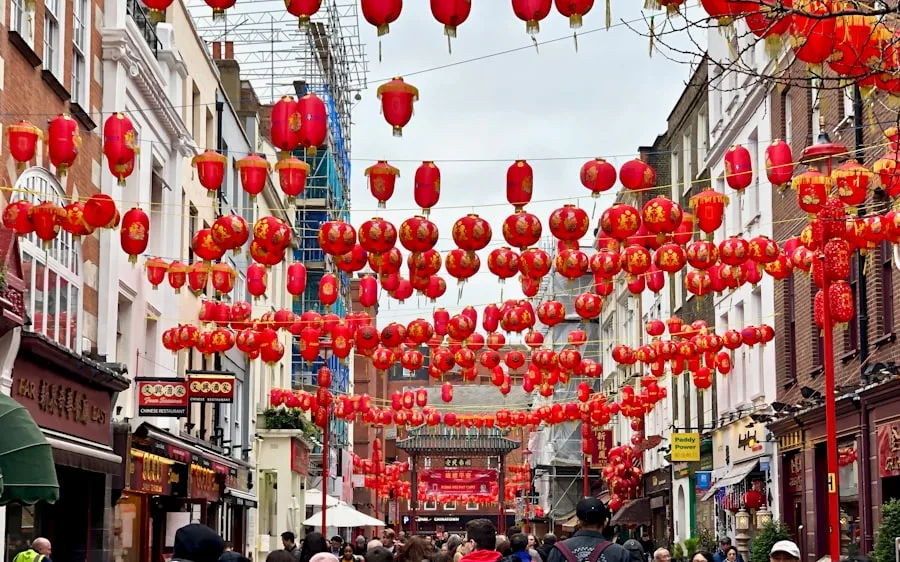
Milano's Chinatown, on the pedestrianised Via Paolo Sarpi and the surrounding streets. One of Europe's oldest Chinese diasporas, a dense food scene, and a calmer Milanese residential layer alongside the Chinese-Italian community.
The neighborhood around Via Paolo Sarpi is Milano's Chinatown - one of Europe's oldest, dating to the 1920s when Wenzhou Chinese migrants arrived to work in the silk and leather industries. The community grew through the twentieth century, concentrated along Via Paolo Sarpi, Via Bramante, Via Niccolini and the surrounding blocks. Via Paolo Sarpi itself was pedestrianised in 2010 after long negotiation between the city, the Chinese-Italian business association and the long-term Italian residents - a piece of urban planning that helped settle decades of conflict over commercial vehicles, deliveries and street crowding. The pedestrianisation transformed the strip into one of central Milano's most lively shopping streets.
Who lives here
A genuine mix of long-standing Chinese-Italian families (many of them third- or fourth-generation Milanese, Italian-speaking, fully integrated into local civic life), long-time Italian residents who never left, a younger Italian wave drawn by the price and the food scene, and a more recent expat slice. The Chinese-Italian community runs most of the businesses on Via Paolo Sarpi but lives across the whole area; the demographic mix in residential buildings is more balanced than the storefront would suggest.
What it's like during the day
Lively and commercial. Via Paolo Sarpi during business hours is one of Milano's busiest pedestrian streets - Chinese pharmacies, bubble-tea shops, dim sum restaurants, Chinese-Italian bakeries, hair salons, mobile-phone shops, fashion wholesale stores, Asian supermarkets, and a particularly dense layer of jewellery and watch retailers. The Italian neighborhood layer is visible on the side streets - trattorie, bar, the historic Mercato di Via Paolo Sarpi before the pedestrianisation, now small fresh-produce stops on the side streets. Tourists come for the food. The crowd density on weekends can be high.
What it's like in the evening
Food-centred. The restaurant scene on and around Via Paolo Sarpi is one of the densest in Milano - Sichuan, Cantonese, Shanghai, Lanzhou, hot pot, dim sum, Vietnamese, Korean, ramen, sushi. Bon Wei, Ravioleria Sarpi, Mi Scusi Paolo Sarpi, the Chinese-style bakeries, the late-evening bubble tea queues. The Italian aperitivo scene is thinner here than in Porta Venezia or Isola but the surrounding streets (Via Bramante, Via Niccolini, Via Procaccini toward the Cimitero Monumentale) have several cocktail bars and enoteche. Less party-driven than other neighborhoods; people come to eat well rather than to club.
Getting around
The M5 lilac metro at Monumentale and the M2 green metro at Moscova bracket the area. Tram lines 12 and 14 run along Corso Sempione; tram line 33 covers the perimeter. The Cimitero Monumentale (one of Milano's most important historic cemeteries, with monumental tombs and the Famedio hall of fame) is at the western edge. The Garibaldi FS station is fifteen minutes' walk east. Walking to the Castello Sforzesco and Brera takes 15-20 minutes. The bike lanes on Corso Sempione and Viale Crispi are comfortable.
Eating and shopping
The food scene is the neighborhood's defining feature. Chinese cuisine in every regional variant, plus Vietnamese, Korean, Thai and Japanese. Italian trattorie on the side streets (Trippa on Via Vasari, Da Cesare on Via Lecco - wait, that's elsewhere; locally Ratanà's sister venues and a handful of family-run Lombard osterie survive). The Chinese supermarkets on Via Paolo Sarpi and Via Bramante are full-service Asian-grocery stops - herbs, sauces, tofu, fresh noodles, frozen dumplings, vegetables not found in Italian supermarkets. For Italian groceries, Esselunga on Via Carlo Farini, Pam on Corso Sempione, several Carrefour Express along the side streets. The Cimitero Monumentale's Sunday morning visit is a Milanese tradition.
When NOT to pick it
If you want quiet or want to avoid the weekend crowds. The pedestrianisation that revived Via Paolo Sarpi also made it one of the busiest weekend destinations in Milano - Saturday and Sunday afternoons fill with foot traffic. Some Italian long-term residents have campaigned over decades about delivery vehicles, late-night business activity and the changing demographic of the area; tensions have been less visible since the pedestrianisation but remain in the background. The Chinese New Year celebrations in late January or February shut the area to all traffic for the parade and bring exceptional crowds.
Paolo Sarpi works particularly well for residents who love Asian food and want it on the doorstep, for the young professional who wants a central but distinctive Milano quartiere, for the resident who appreciates a neighborhood with visibly different cultural texture, and for anyone moving from a city with a strong Chinatown (London, San Francisco, Sydney) who'll find the formula familiar. Rents are noticeably lower than Brera or Porta Venezia for comparable space, making Paolo Sarpi one of the better value central picks.