
Photo Unsplash
Living in Vanalinn, Tallinn
Tuba üürile Living in Vanalinn, Tallinn - otse omanikult, vahendustasuta - Tallinn
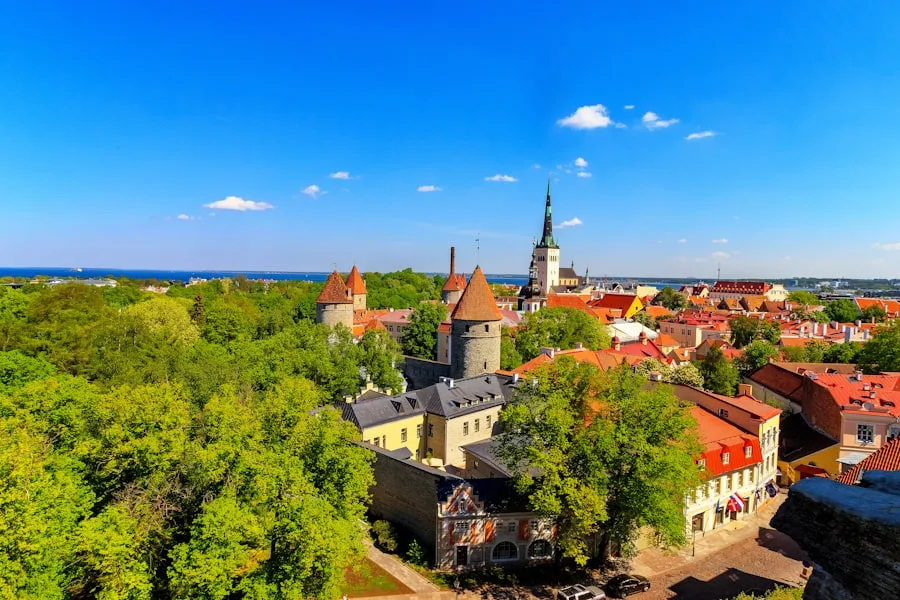
The medieval Old Town inside the city walls. UNESCO-listed, postcard-photographed, and a real residential neighbourhood for a few thousand Tallinners who have learned to live with the tourists.
Vanalinn - literally "Old Town" - is the walled medieval centre of Tallinn, inscribed on the UNESCO World Heritage list since 1997. It divides into two layers: the upper town of Toompea on the limestone cliff (covered in its own guide), and the All-linn - the merchant lower town that grew around the harbour. This guide covers Vanalinn as the unified historic core, the way residents and the city register treat it.
Who lives here
Around three thousand people live inside the walls. The mix is unusual: a remnant population of Tallinn families in apartments their grandparents or great-grandparents bought during the Soviet privatisation, a layer of well-off expats and remote workers paying a premium for the location, and an investment-property tier that flips between long-term rental and short-term stays. There are also students at the small Estonian Business School campus on the lower town's edge. Very few children - most families with kids leave for the surrounding asum once the second child arrives.
What it's like during the day
In high season - late May through August - Vanalinn is busy. Cruise passengers from the port, day-trippers from Helsinki on the morning ferries, and the steady flow of European weekend tourists fill Raekoja plats (the Town Hall Square) and the main streets Viru, Pikk and Vene. Locals adjust: a parallel daily life moves through the quieter side streets and inner courtyards, particularly around the Dominican Monastery and the streets behind Niguliste church. In winter the entire flow slows - fewer tourists, more residents, Christmas market in December that fills Raekoja plats with stalls and mulled wine.
What it's like in the evening
Evenings vary by week. Outside summer, the Old Town empties early and becomes one of the most atmospheric walks in Northern Europe - lit lanterns on the city walls, almost no traffic, sounds of footsteps on cobbles. In summer the bars stay busy until late. A serious cocktail and restaurant scene has emerged in the last decade, much of it inside vaulted medieval cellars: Põhjaka-style modern Estonian, wine bars, Asian fine dining, classical vana hää taverns. For loud nightlife, people walk to Telliskivi or Kalamaja.
Getting around
Walking is the default. The Old Town is roughly 800 metres across; you can cross it diagonally in fifteen minutes. The terrain is uneven - cobblestones, steps, the climb to Toompea - and not great with strollers or wheeled luggage. Trams 1, 2 and 4 ring the edges (Viru, Hobujaama, Vabaduse väljak); the railway station is five minutes from the western gate, the port ten from the eastern. Cars inside the walls are restricted to residents and deliveries.
Eating and shopping
Two small supermarkets inside the walls cover the basics - Rimi at Aia and Selver at Solaris just outside the eastern gate. For weekly shopping, most residents take a tram to Kristiine Keskus or walk to the Balti jaama turg. The restaurant density inside the walls is high but quality is variable: the streets directly off Raekoja plats lean tourist-trap, while the side streets - Vaimu, Sauna, Pühavaimu - have the more interesting kitchens. Several of Estonia's best wine bars and cocktail lists are within Vanalinn.
When NOT to pick it
If you have small children or a stroller - the cobblestones, lack of green space and stair-only buildings are hard work. If you're noise-sensitive and value silence - summer evenings carry sound through the stone canyons. If you have a car - parking is a permanent problem and most flats come without spaces. If your budget is anything other than substantial - Vanalinn is the most expensive square kilometre in the country. If you want to feel "in real Estonia" - the Old Town is a slice of international and historical Tallinn more than of contemporary Estonian daily life.
Vanalinn is the right pick if you can afford it, if walking out of your door into a UNESCO site every morning is something you actually value rather than something you imagine you will, and if you don't mind that summer evenings in your street will sometimes belong to other people. For a year or two as an expat or as a writer it is unforgettable. As a long-term family home most people end up moving out.