
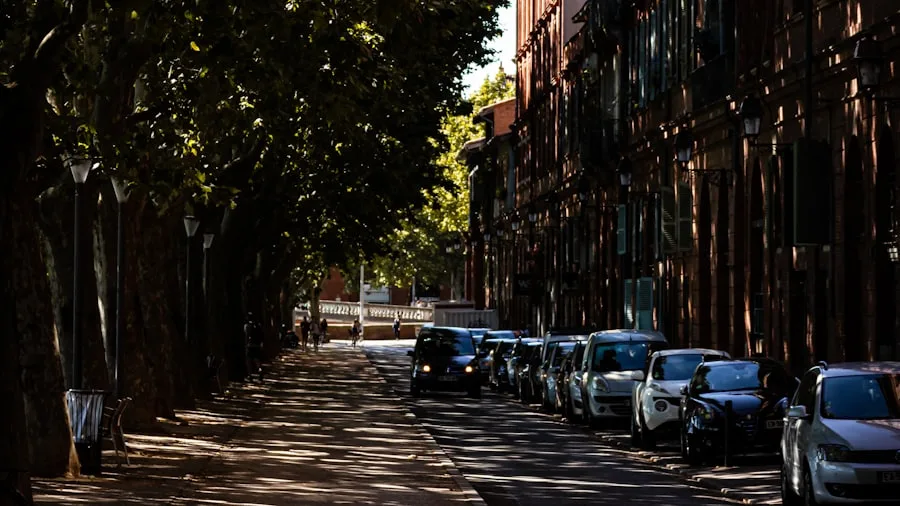
Living in Toulouse, France
Colocation Toulouse - chambre à louer entre particuliers, sans agence
What you need to know if you're about to move to Toulouse - how French bail contracts and the caution deposit work, the garant requirement, the numéro fiscal and carte vitale, the Tisséo monthly pass with two metro lines, and how Capitole, Saint-Cyprien, Les Carmes and the rest of the central quartiers really differ from one another.
Toulouse isn't only Airbus and cassoulet. For people actually moving here, it's France's fourth-largest city, La Ville Rose - the Pink City, for the salmon-coloured brick that gives the historic centre its glow at sunset. Europe's aerospace capital, with Airbus, ATR, the Centre National d'Études Spatiales (CNES) and a dense ecosystem of suppliers and engineering schools. A student city - the Université Toulouse III-Paul Sabatier, the Sciences Po Toulouse, the Toulouse School of Economics, dozens of grandes écoles. And a Mediterranean-leaning, sun-drenched, occitan-rooted city with an evening rhythm closer to Spain than to Paris. This guide pulls together what you'll want to know before signing a bail, from the garant to the carte vitale, and the personality of the central quartiers.
The city in a few sentences
Toulouse is the largest city of the Occitanie region and the capital of the Haute-Garonne department, with around 510,000 inhabitants inside the municipal boundary and around 1.5 million in the aire urbaine. It sits on the Garonne river, which crosses the centre flowing north toward Bordeaux and the Atlantic, and is also crossed by the Canal du Midi - the seventeenth-century engineering masterpiece that connects the Atlantic and the Mediterranean (a UNESCO World Heritage site since 1996). The city's pink-brick architecture, used everywhere from the Capitole city hall to medieval hôtels particuliers (mansions) and Wilhelminian apartment buildings, is the most-photographed feature.
The climate is southern French - closer to Mediterranean than to Atlantic. Long hot summers, with temperatures regularly above 35 °C in July and August and the occasional 40 °C heat wave. The Autan - a hot dry wind from the south-east - can blow for days in summer and is locally said to bring headaches and short tempers. Winters are mild but rainy; spring and autumn are short and beautiful. The river occasionally floods the Saint-Cyprien embankment in winter rains.
Toulouse is the European capital of aerospace: Airbus has its headquarters and main civil aircraft assembly here, ATR (turboprop manufacturer) is here, the CNES (the French space agency) runs from here, and the Cité de l'Espace science centre is one of Europe's best space museums. The Aeroscopia aviation museum, the Airbus factory tours, the daily presence of large aircraft overhead - all give the city a strong industrial identity unusual for southern France.
The language: French, with English in pockets
French is the official language and the working language of administration, banking, healthcare and most workplaces. English fluency in Toulouse is moderate-to-high in the aerospace and tech sectors (Airbus and its supply chain are genuinely multilingual, with significant English use day-to-day), in the universities, and in the international community. Outside the engineering bubble, in the préfecture, with older landlords and at the boulangerie, French is expected. The local occitan heritage is mostly symbolic - street signs are bilingual in the centre, and the regional accent and vocabulary remain audible.
Renting a room: how it works
Toulouse's rental market is tight in the centre and the central-south but not as extreme as Paris or Lyon. The search for shared flats (colocations) happens mostly online, on the main listing sites and in Facebook groups for students and newcomers; whole apartments and rooms are advertised on the major property portals. Many landlords use estate agencies (agences immobilières) which charge a regulated fee at the start of the lease.
The standard contract is the bail, normally for three years if the landlord is a private individual, six years if the landlord is a corporate entity. A bail meublé (furnished lease) is shorter - one year, or nine months for students. The deposit (caution or dépôt de garantie) is capped by law: one month of rent for unfurnished, two months for furnished. Refundable at the end of the lease minus deductions for damage.
The big French specificity is the garant - a guarantor, usually a parent or a French resident with a salary at least three times the rent, who signs to cover unpaid rent. Without a garant most private landlords will refuse the dossier. The Visale scheme - the free state guarantee for young people up to 30 and for low-income workers - is widely accepted in Toulouse, particularly because of the heavy student population. Bank guarantees and cautionnement bancaire are alternatives.
The dossier is the file you submit with your application: passport or ID, last three pay slips (bulletins de salaire) or student card, last avis d'imposition (tax notice), a RIB (bank details), the garant's dossier on the same model.
The numéro fiscal: the first administrative step
You don't have a single mandatory registration step like the German Anmeldung, but a few documents matter from day one. The numéro fiscal is your French tax number, assigned the first time you file taxes or when you contact the Service des Impôts des Particuliers directly. For the carte vitale you register at your local CPAM; for the titre de séjour (non-EU residence permit) you go to the préfecture de la Haute-Garonne on place Saint-Étienne.
France: EU and non-EU
EU passport holders can live and work in France without a residence permit. The first administrative step is opening a bank account and getting the numéro fiscal. From outside the EU, you need a titre de séjour to stay beyond ninety days, granted by the préfecture. Common categories: salaried work (salarié), student (étudiant), passeport talent (qualified workers and researchers, very common for Airbus and aerospace), visiteur for non-working long-stay, family reunification.
French bureaucracy is paperwork-heavy and slow. Every document must be in French or accompanied by a certified translation. Plan three to six months for the titre de séjour renewal cycle.
Healthcare: CPAM and the carte vitale
Health insurance is mandatory through the PUMa (Protection Universelle Maladie) - everyone legally resident in France is covered after three months. You register at the CPAM with proof of address, identity and residence; the carte vitale (the green plastic card) arrives by post a few weeks later. The state pays most of the cost of GP visits, specialists, hospital and prescriptions; the rest is covered by mutuelle (complementary health insurance, often through employers).
The main public hospitals are the CHU de Toulouse with the Hôpital Purpan (west of the centre), the Hôpital de Rangueil (south), and the Hôpital Paule de Viguier (maternity). The system works well for routine medicine and emergencies. EU students can use the EHIC during their initial months.
Transport: Tisséo, metro, tram, bus, VélôToulouse
Local transport is run by Tisséo. The metro has two lines - Métro A (purple, Basso-Cambo to Balma-Gramont, crossing the centre via Saint-Cyprien-République, Capitole and Marengo-SNCF) and Métro B (yellow, Borderouge to Ramonville, crossing the centre via Compans-Caffarelli, Jeanne-d'Arc, Carmes and Palais de Justice) - which interchange only at Jean-Jaurès, the single station shared by both lines. The tram (line T1) links the centre to the western suburbs, from Arènes towards Purpan and Blagnac. A dense bus network fills the gaps.
The 2026 Tisséo monthly pass for adults is around 50 €; students under 26 pay much less (around 15-20 €). The Gare Matabiau (Toulouse-Matabiau) handles regional and high-speed trains: Paris is around four hours by TGV via Bordeaux (the LGV completion gradually shortens this), Bordeaux two hours, Barcelona around three and a half hours by direct train. Toulouse-Blagnac Airport is connected to the centre by Tisséo public transport.
Cycling is genuinely good. The VélôToulouse bike-share is dense in the centre, the riverside paths along the Garonne are excellent, and the city is flat.
Working and studying
Toulouse is the European aerospace capital. Airbus has its commercial-aircraft assembly and headquarters here, with around 30,000 staff in the Toulouse-Blagnac and Saint-Martin-du-Touch facilities. ATR (turboprop), the CNES (French space agency), Thales Alenia Space, Continental, dozens of suppliers and sub-contractors fill the ecosystem. The Aerospace Valley is one of France's largest industrial pôles de compétitivité. Outside aerospace, the tech and biotech sectors are growing (Cargill, Pierre Fabre pharmaceuticals nearby in Castres), and the medical and university sectors employ thousands.
The Université de Toulouse is the largest university cluster in southern France, organised in several institutions: Université Toulouse III-Paul Sabatier (sciences, with its huge campus south of the centre at Rangueil), Université Toulouse 1 Capitole (law and economics, in the centre near the Capitole), Université Toulouse Jean-Jaurès (humanities and social sciences, on the Mirail campus west of the centre), plus the prestigious Toulouse School of Economics and several engineering grandes écoles (ISAE-SUPAERO, INSA Toulouse). Total student population is around 130,000 - Toulouse is statistically one of France's most student-heavy cities.
Tuition for EU citizens is symbolic (around 175 € a year for licence, 250 € for master); non-EU citizens pay more (around 2,770 € for licence).
Daily life: schedules and rhythms
Shop hours are looser than in Germany. Most supermarkets open until 9 or 10 PM, some until midnight (Carrefour City, Franprix). Sundays vary - some supermarkets open in the morning, most bakeries open every day, larger shops are closed by law. The food markets - marché Victor Hugo, marché Saint-Aubin, marché du Cristal - run mostly in the morning.
Toulouse eats well. Cassoulet - the slow-cooked white-bean stew with duck confit and sausage - is the iconic dish. Saucisse de Toulouse is the local sausage. The violette flower is the local symbol, used in sweets, perfumes and decoration; the Confiserie shops sell crystallised violets year-round. The Marché Victor Hugo covered market in the centre is the unmatched daily food anchor.
The evening rhythm is southern. Dinner starts around 8 or 9 PM. Bars and terrasses fill from late afternoon. The riverside (the quais de la Garonne) in summer is full of people on the grass, and the Place Saint-Pierre and Place du Capitole host outdoor terraces. Rugby is the religion - Stade Toulousain is the most successful rugby club in Europe and match days transform the city.
The local accent is southern, the people warm, and the city has a reputation for being one of France's most liveable. Sun is constant - the Ville Rose glows pink at sunset.
The neighborhoods (quartiers)
Toulouse has a tight historic centre on the right bank of the Garonne - the Capitole, Carmes, Saint-Étienne, Saint-Georges quartiers - and a long left bank (Saint-Cyprien, Arènes, Patte d'Oie). The metro and the boulevards radiate outward. Each quartier has a strong identity.
There's the central Capitole around the city hall and the main square; Esquirol and Les Carmes at the medieval southern centre; bohemian Saint-Cyprien on the left bank; Saint-Georges for shopping and bars; the western Compans-Caffarelli and Patte d'Oie; the metro-hub Arènes; the southern Empalot and Saint-Agne; the railway Matabiau; the family-rich Les Minimes; the medieval-medical Saint-Étienne; the multi-cultural Arnaud-Bernard; and the eastern Jolimont.
The neighborhood guides below go into detail: who lives there, what days and evenings are like, what's within metro reach, and when you might want to pick somewhere else.
Areas in Toulouse
Each area has its own character. Read the guides to choose the right one for you.
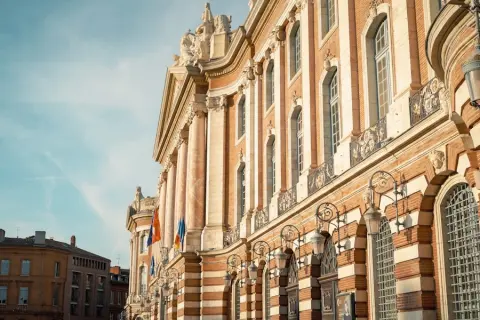
Amidonniers
Toulouse's modern business district north-west of the Capitole - Centre de Congrès Pierre Baudis, hotels, the jardin japonais, metro B hub, and a residential layer of new and converted apartments.
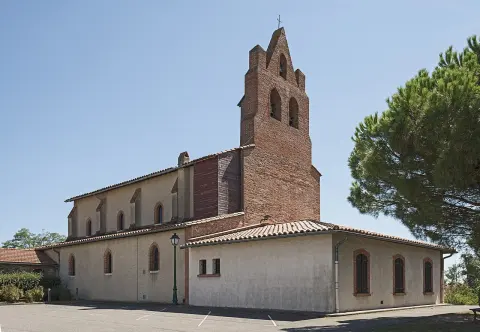
Balma
Terminus of metro A, parks and work hubs: Balma is the choice of those who want space and quick links to the heart of Toulouse.
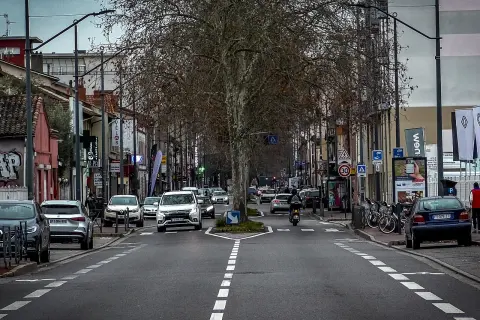
Barrière-de-Paris
On line B, north of the centre: the Barrière de Paris combines a village-in-the-city atmosphere, lively commerce and quick links.
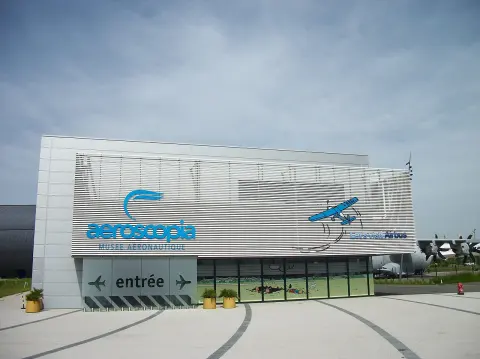
Blagnac
Northwest of Toulouse, Blagnac brings together the airport, Airbus plants and the Aeroscopia museum. Tram T1 to the centre and excellent amenities: very handy for anyone working in aerospace.
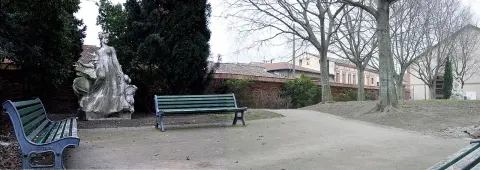
Bonnefoy
An authentic, up-and-coming faubourg, handy for the station and well connected to the centre by metro A from Marengo-SNCF.
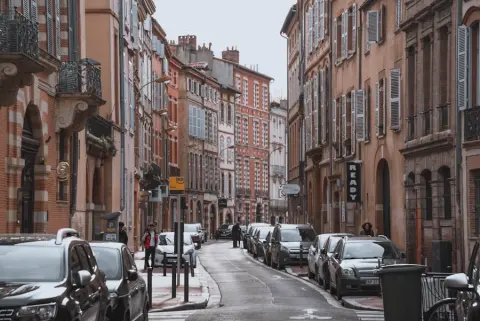
Capitole
Toulouse's central square - eighteenth-century Capitole city hall, Donjon du Capitole, marché Victor Hugo covered market, pedestrian rue Alsace-Lorraine and the pink-brick heart of the Ville Rose.
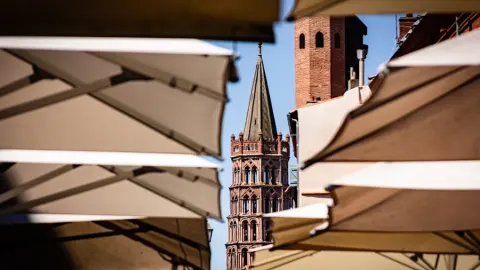
Carmes
Toulouse's refined medieval southern centre - marché des Carmes covered market, surviving hôtels particuliers from the capitouls era, pink-brick streets, the Église des Carmes and a residential rhythm both central and quiet.
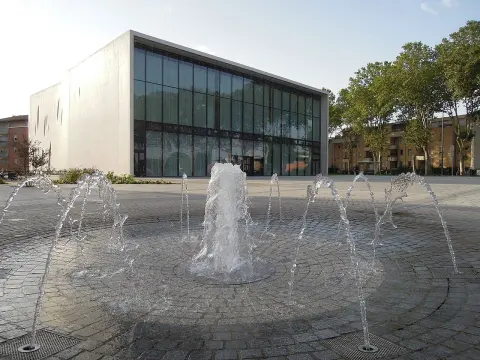
Colomiers
West of Toulouse, Colomiers is home to major Airbus plants and is one of the most populous towns in the region. Fast TER to Matabiau and excellent amenities: handy for anyone working in aerospace.
Côte Pavée
The hilly, bourgeois neighborhood east of Toulouse: quiet, green, made of detached houses and families. Linéo bus to the centre, no metro on your doorstep.
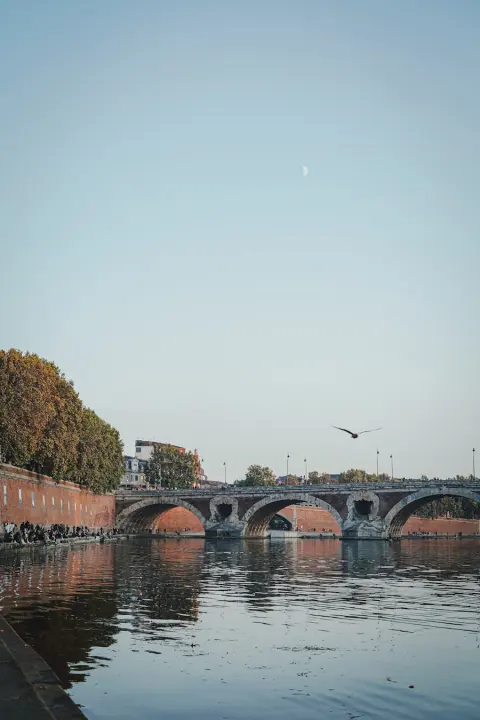
Empalot
Toulouse's southern district along the Garonne - social-housing blocks under urban regeneration (ANRU), Garonne embankment, Empalot metro station on line B, multicultural population and rents well below the centre.
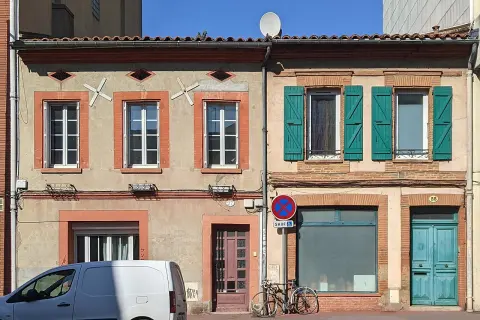
Guilhemery
The residential, quiet corner of inner-east Toulouse, on a little hill close to the centre. Metro A and B within reach, Capitole a stone's throw away.
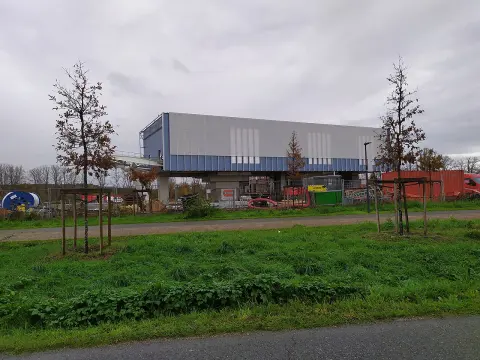
La Fourguette
The healthcare and research hub in southwest Toulouse - the IUCT-Oncopole, the Téléo cable car towards Rangueil and the university, and the residential neighborhood of La Fourguette next door. A natural choice for anyone working in oncology or in a laboratory.
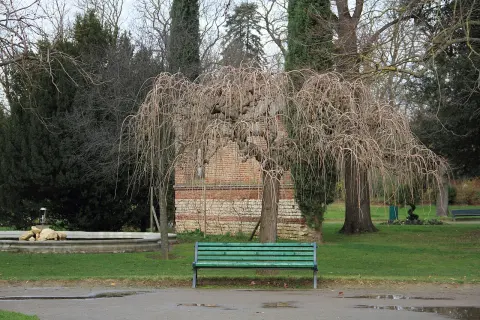
Le Busca
Looking for a room in a quiet yet very central area, with greenery in front and the Capitole ten minutes' walk away? Busca is one of the most sought-after spots in the Ville Rose.
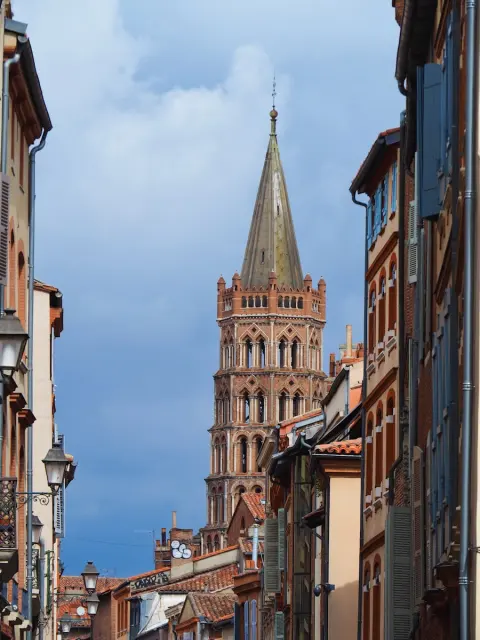
Marengo-Jolimont
Toulouse's residential district east of the Canal du Midi - pre-war and post-war houses, the Observatoire de Jolimont astronomical observatory, leafy streets, metro A station and lower rents than the centre.
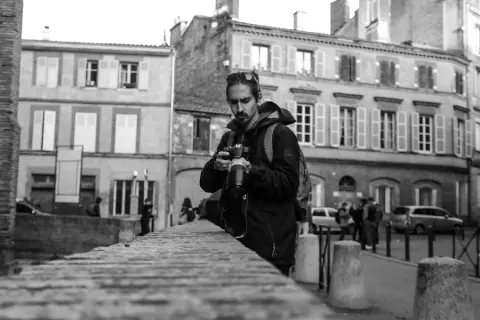
Matabiau
Toulouse's railway hub around Gare de Toulouse-Matabiau - TGV terminus, regional trains, the Canal du Midi, and the Toulouse EuroSudOuest urban regeneration project rebuilding the surrounding district.
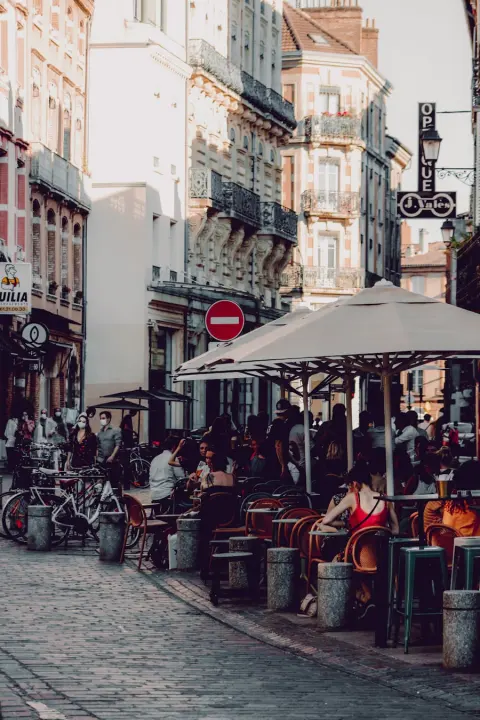
Minimes
Toulouse's residential district north of the Canal du Midi - pre-war toulousaines with front gardens, Église des Minimes, metro B station, a family-rich rhythm and lower rents than the central quartiers.
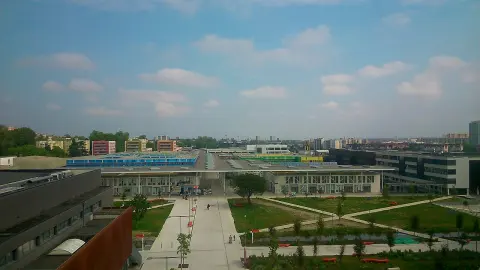
Mirail-Université
Southwest of Toulouse, around the campus of the Université Toulouse Jean Jaurès. Metro A twelve minutes from the centre, steps from the lecture halls: the natural choice for anyone studying or working at the university.
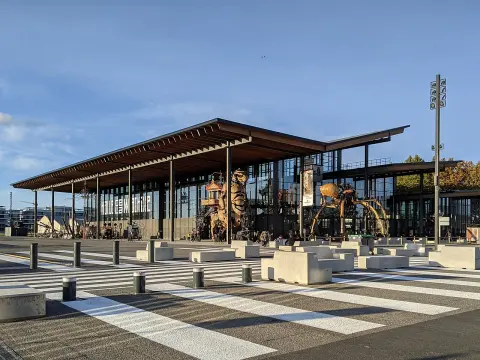
Montaudran-Lespinet
Southeast of Toulouse, Montaudran combines the history of the Aéropostale with a neighborhood alive with research and work, well connected to the centre a few minutes by train.
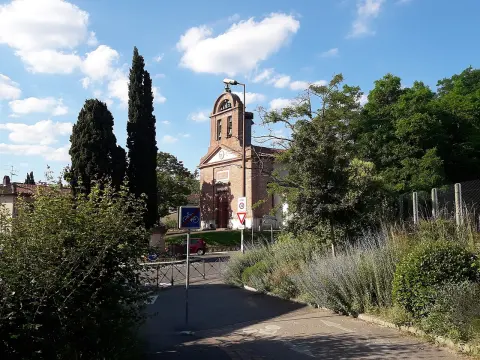
Pouvourville
South of Toulouse, on the Pech-David plateau: a residential neighborhood immersed in greenery, a stone's throw from the Université Paul Sabatier and the CHU Rangueil. For those seeking quiet near their studies or hospital work.
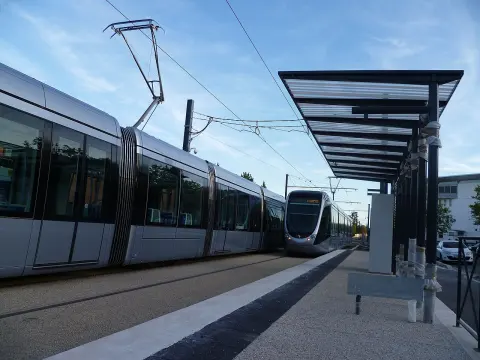
Purpan
The west sector of Toulouse around the CHU Purpan - a large university hospital served by tram T1, with the residential Cartoucherie alongside and a quick link to the Capitole via metro A from Arènes.
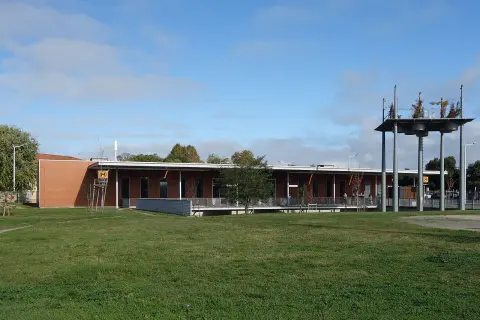
Roseraie
A green, quiet residential neighborhood, served by metro A (Roseraie and Argoulets), with parks, sport and a market. Great for students and those seeking calm.
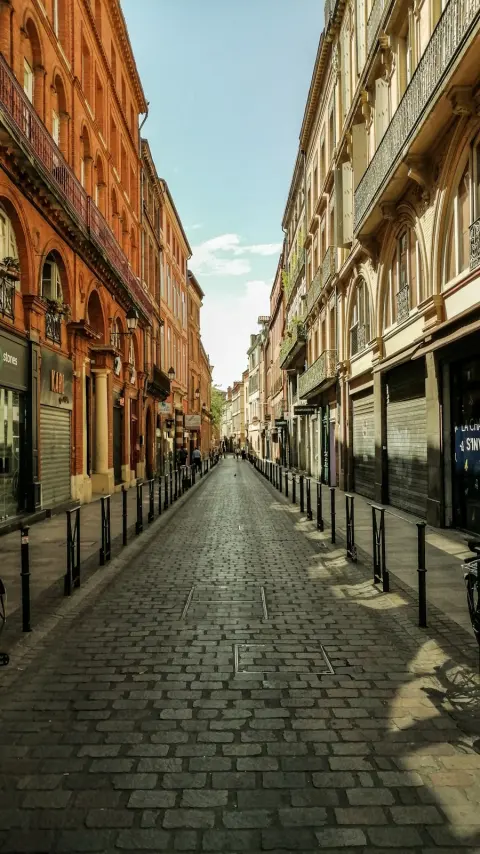
Saint-Agne
Toulouse's southern residential district - Saint-Agne SNCF railway station, proximity to Hôpital Rangueil and the Paul Sabatier university campus, pre-war and post-war housing and a calm residential rhythm.
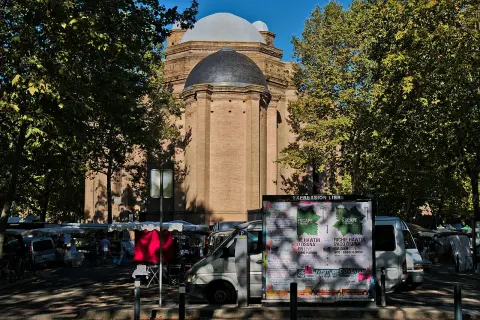
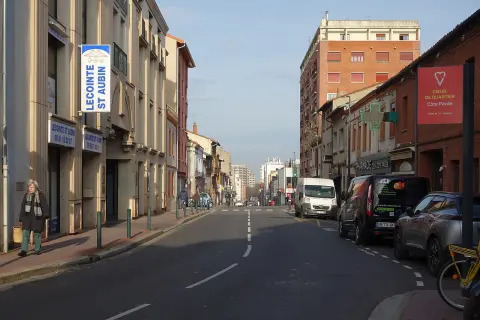
Saint-Aubin-Dupuy
Want a room in a young, lively, well-connected neighborhood, with the market on your doorstep and the station a few minutes' walk away? Saint-Aubin-Dupuy is one of the best-loved corners east of the centre.
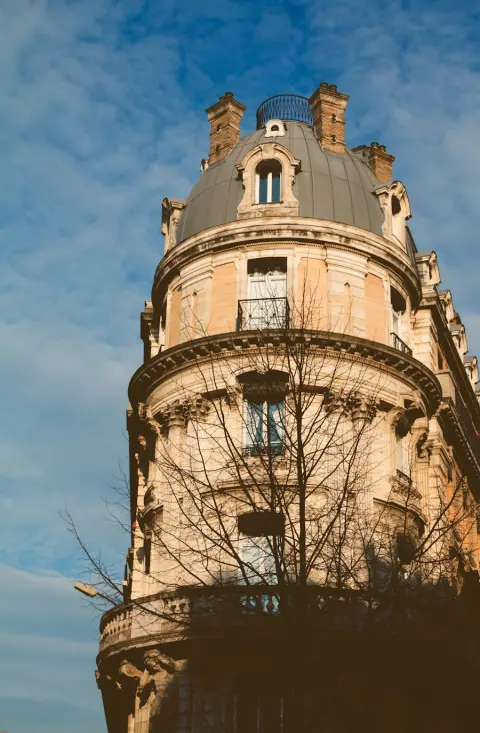
Saint-Cyprien
Toulouse's bohemian left-bank quartier across the Garonne - marché du Cristal, Les Abattoirs contemporary art museum, the Hôtel-Dieu Saint-Jacques, rue de la République spine and a strong identity that has gentrified slowly.
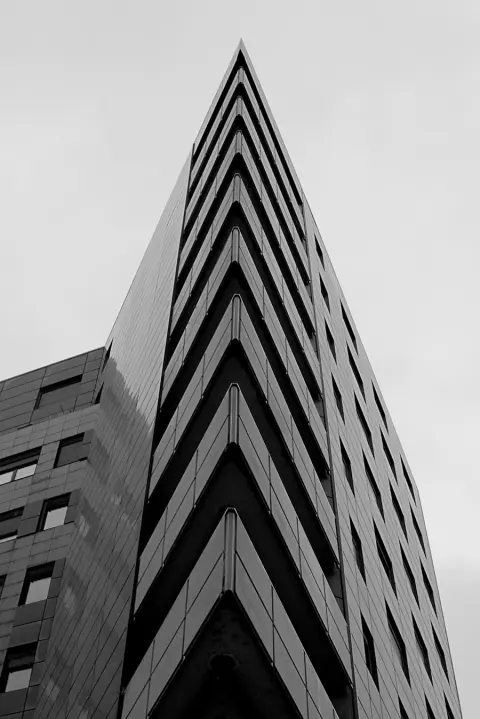
Saint-Étienne
Toulouse's medieval-medical eastern centre - Cathédrale Saint-Étienne (the city's lopsided cathedral), the préfecture of Haute-Garonne, surviving hôtels particuliers, Jardin des Plantes nearby and a calm bourgeois residential rhythm.
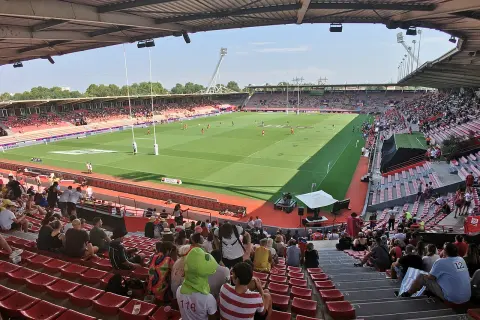
Sept Deniers
Northwest of Toulouse, between the canal du Midi and the Garonne, Sept Deniers offers residential calm, greenery along the water and a direct link to the centre with the Linéo L1.