
Photo Salma Abdelnaby / Unsplash
Living in Barcelona
Alquiler de habitación en piso compartido Barcelona - sin agencia
What you need to know if you're about to move to Barcelona - how rental contracts work, Spanish paperwork, healthcare, transport, and how to navigate neighborhoods that are very different from one another.
Barcelona isn't just Sagrada Família and tapas. For people actually moving here, it's a city where bureaucracy follows its own rhythm, where renting has rules written in Catalan, and where the neighborhood you pick completely changes your experience. This guide puts together what you'll want to know before signing a contract, from the Spanish tax ID (NIE) to public transport, to the character of each barrio.
The city in brief, a practical look
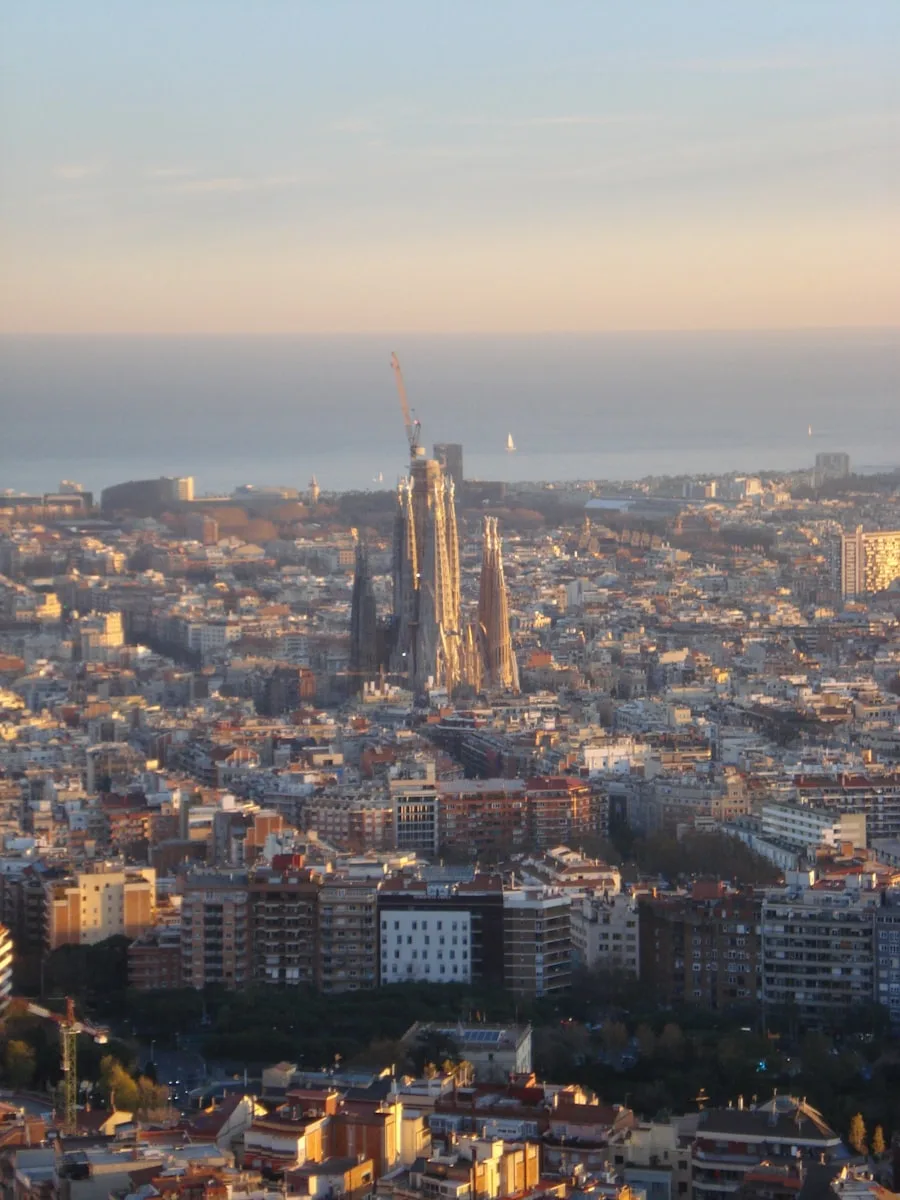
Barcelona is the capital of Catalonia, an autonomous region with its own language, regional government, and laws inside Spain. The city proper has around 1.6 million inhabitants, over 3 million counting the metropolitan area. It sits on a narrow strip of coast squeezed between the sea and the Tibidabo hill, and it's one of the most densely populated cities in Europe. Two practical consequences: apartments are on average smaller and pricier than you'd expect, and almost everything is reachable on foot, by bike, or with a short metro ride.
The climate is Mediterranean: long humid summers, mild winters that rarely drop below five degrees, pleasant spring and autumn. People live outdoors a lot - streets, squares, terraces - even in winter.
The language: Castilian and Catalan
Spanish (here called castellano) is the everyday language in the city. But Catalan is just as official, and it's what you'll find printed on rental contracts, public documents, and street signs. You don't need to learn Catalan to live in Barcelona, but understanding a few words helps with apartment listings and bills. People will gladly switch to Castilian if they see you're struggling, but they appreciate anyone trying a phrase in Catalan.
English is well spoken by people working in tourism, in cafés in gentrified areas, and among university-educated thirty-somethings. Outside those contexts - at the padrón, at the GP's, in an old gestoría - don't take it for granted.
Renting a room: how it works
The Barcelona rental market is tight. Demand has exceeded supply for years, and prices have risen significantly. Since early 2024 Catalonia has applied a rent control law that affects all of Barcelona, declared a "tense residential market area": for new contracts the rent cannot exceed a reference index set by the administration, and yearly updates are tied to an official index instead of free inflation.
The standard Spanish rental contract lasts five years if the landlord is a private individual, seven if it's a company, with one yearly rent update. For room rentals in shared apartments, shorter contracts (temporales, usually 11 months renewable) are also common, but these don't get the same protection as ordinary residential contracts. It's worth understanding exactly what kind of contract you're signing.
When you rent a room you'll almost always be asked for a one-month deposit (fianza) - the landlord is required to lodge it with INCASÒL, the Catalan regional agency. On top of that, many ask for one or two months of extra guarantee. No back-channel agents or cash deposits without receipts: always ask for the paperwork and signed contract before transferring any money.
Paperwork: NIE and empadronamiento
For anything beyond crashing here a few nights, you need two things: the NIE and the empadronamiento.
The NIE (Número de Identificación de Extranjero) is your Spanish tax ID. You need it to sign a rental contract, open a bank account, receive a salary. You apply in person at a police station, or from abroad at a Spanish consulate. EU citizens have a relatively quick procedure; for non-EU citizens it's linked to your visa.
The empadronamiento is registration at the city's civil registry. It's essential for accessing public healthcare, enrolling at university, applying for any municipal service. You do it at the Oficina d'Atenció Ciutadana (OAC). To register, they ask for a rental contract in force (with the latest rent receipt) or, alternatively, a letter signed by the apartment owner confirming you live at that address. If you have a Spanish digital certificate (idCAT) you can do it online; otherwise you go in person and usually walk out with the document the same day.
Spain: what changes if you're EU or non-EU
If you have an EU passport the paperwork is light: you arrive, request the NIE as certificado de registro de ciudadano de la Unión, get the empadronamiento, and within a few months you're set. No visa needed, no income proof required to stay.
If you're from outside the EU it's a different story. To stay beyond 90 days you need a visa: work, study, research, family reunification, no lucrativa (for those who can support themselves without working in Spain), or the digital nomad visa introduced in 2023 for people working remotely for a company outside Spain. Each visa has different requirements for income, private health insurance, criminal record.
One thing that strikes people coming from places with smoother bureaucracy: in Spain, appointments for foreigner procedures (the infamous cita previa for extranjería) are hard to get and need to be hunted for persistently. Many people lean on a gestoría - the equivalent of a bureaucratic consultant - to avoid losing weeks.
Healthcare and the TSI card
Spain has a universal public healthcare system, the Sistema Nacional de Salud, which in Catalonia is called CatSalut. Once you have NIE, empadronamiento, and a valid residence title, you can request the health card (the Tarjeta Sanitària Individual, commonly called TSI), which lets you choose a GP and access public hospitals for free.
If you're an EU citizen you can also use your European Health Insurance Card (EHIC) for essential care in the first months, while waiting to register with CatSalut. If you're non-EU on a student or non-working visa, you're typically required to take out private health insurance: Spanish consulates require it as a visa condition. Many residents keep both, public for serious things and private to skip the waiting lists.
Transport: T-mobilitat
Barcelona's public transport is run by TMB and covers metro, buses, trams, and commuter trains. You pay with the T-mobilitat contactless card or, alternatively, with traditional tickets. 2026 fares: single ticket at 2.90 €, T-Casual (ten rides) at 13.00 € in zone 1, and T-Usual (unlimited monthly pass) at 22.80 € for city residents. For under-30s there's the T-Jove, a three-month pass at 45.50 € that's probably the best value if you're staying more than a few weeks.
The metro is efficient and covers almost the whole city. Bikes are widely used; there's a municipal bike-sharing system (Bicing) with a yearly subscription dedicated to residents registered at the padrón. For El Prat airport the easiest option is the L9 Sud metro line, which gets you there in 35 minutes from the center.
Working and studying
Barcelona hosts a number of tech multinationals and a large international community, especially in the 22@ area (Poblenou converted into a digital district). Working as an employee in Spain means being registered with Seguridad Social: your employer registers you, you'll see higher payroll deductions compared to other countries, but in exchange you get unemployment benefits, paid leave, and full access to healthcare.
University tuition is much lower than the European average for EU citizens and Catalonia residents (UB, UPC, UPF, UAB are the four big ones). For non-EU students on Erasmus exchanges the terms are those of the program; for those enrolling directly as international students the fees are higher but still reasonable compared to anglophone countries.
Daily life: schedules and rhythms
The first culture shock for many is the daily rhythm. In Barcelona people have lunch between 2 and 3 PM, dinner between 9 and 10 PM. Neighborhood supermarkets often close at 9 PM; on Sundays many are closed entirely. Restaurants are rarely open between 4 and 8 PM. Pharmacies run night shifts: you'll find one on duty a few blocks away wherever you are.
The Catalan national holiday is September 11 (Diada Nacional), on top of the standard Spanish holidays. In August the city changes face: many shops close for holidays, some neighborhoods empty out, and then mid-month the Festa Major de Gràcia arrives with decorated streets and free concerts.
Between the heat and the noise, you realize that living here means accepting the tourist flow crossing the city. In 2023-24 the city council announced the progressive end of tourist apartment licenses in the Barcelona municipality - a political measure aimed precisely at returning housing to the long-term residential market.
The neighborhoods
Every barrio has its own precise character, and picking the right one matters more than you might think. There's the medieval maze of the Gòtic for those wanting to live in the tourist heart, multiethnic El Raval, the bourgeois order of Eixample with its modernista facades, the bohemian village of Gràcia, the Born with its independent boutiques, Barceloneta by the sea in former fishing-village style, Poble Sec at the foot of Montjuïc, and Sant Antoni - the quieter, cheaper version of the Eixample.
The neighborhood guides below go into detail: who lives there, what evenings are like, what days are like, what's within metro reach.
Barcelona neighborhoods
Each neighborhood has its own character. Read the guides to pick the right one for you.
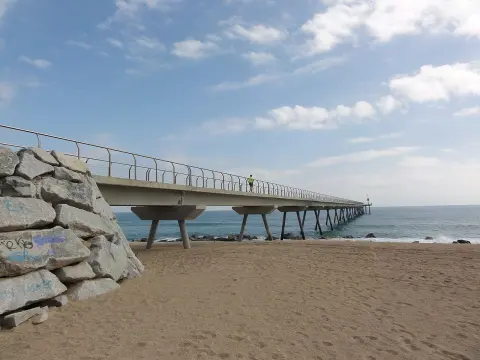
Badalona
A seaside city with its own identity: beach, seafront and more affordable rents.
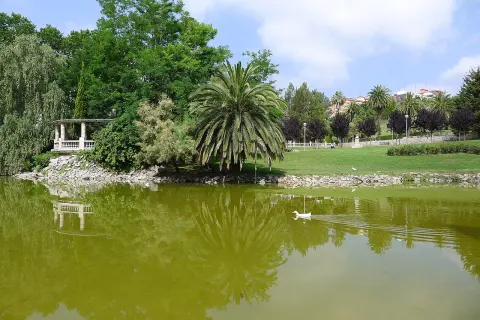
Cornellà de Llobregat
A major transport hub to the southwest: metro, tram and trains, lower rents.
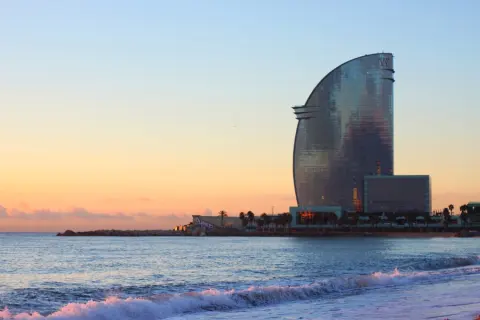
Diagonal Mar
Ultra-modern seafront neighborhood. Residential skyscrapers, park, shopping mall, beach.
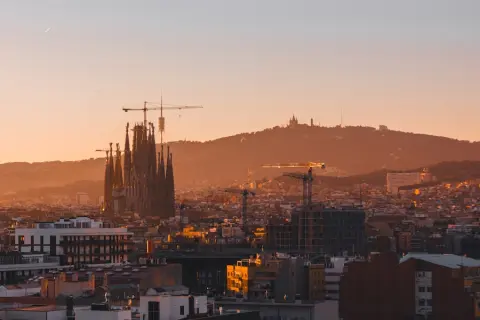
el Baix Guinardó
Below Guinardó, behind the Sagrada Família. Real neighbourhood life, public market, prices still reasonable.
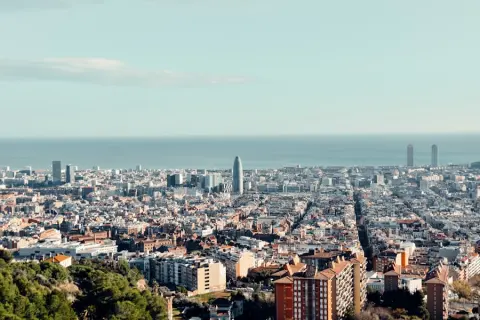
el Besòs
Far north-east, by the river. Working-class in transformation, sea on foot, prices among the most accessible.
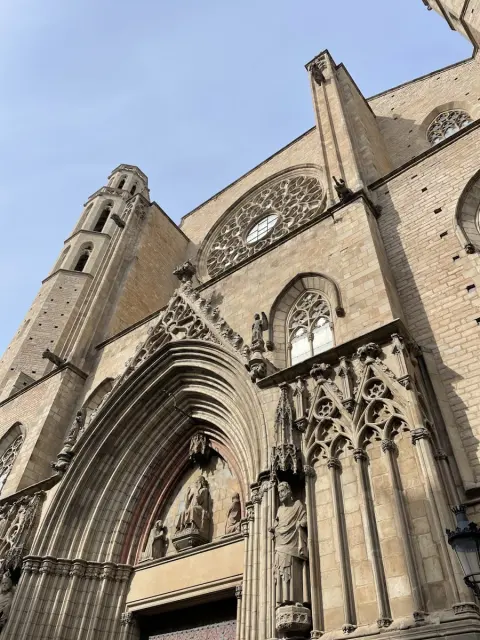
el Born
Old town, calmer than the Gòtic. Wine bars, galleries, Santa Caterina, design boutiques.
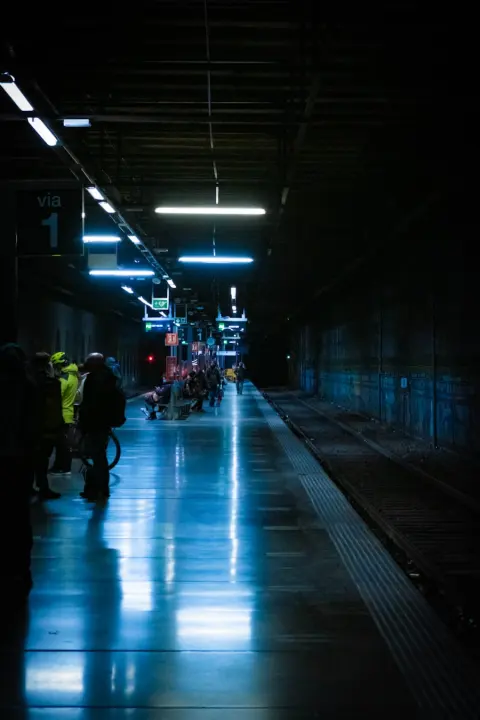
el Camp de l'Arpa del Clot
Real street-life neighbourhood below Sagrera. Markets, lively squares, prices still accessible.
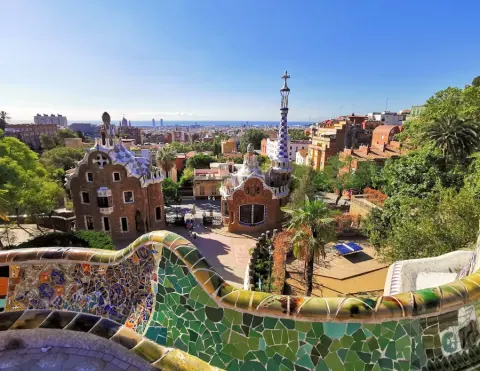
el Carmel
Hillside working-class. Breathtaking views, close to Park Güell, affordable prices.
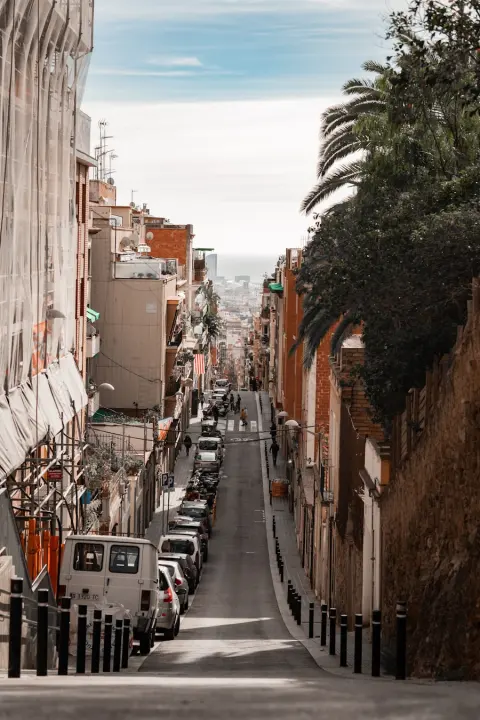
el Clot
Traditional eastern residential. Below-average prices, real neighborhood life.
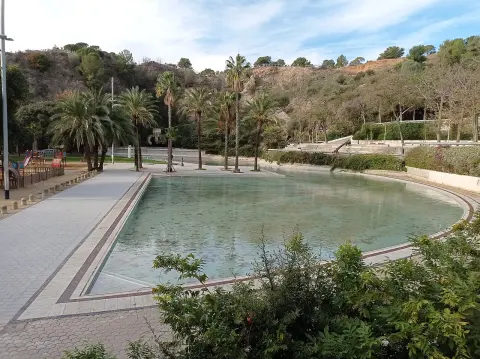
el Coll
Hilly in Gràcia, near Park Güell: views, greenery, lower rents.
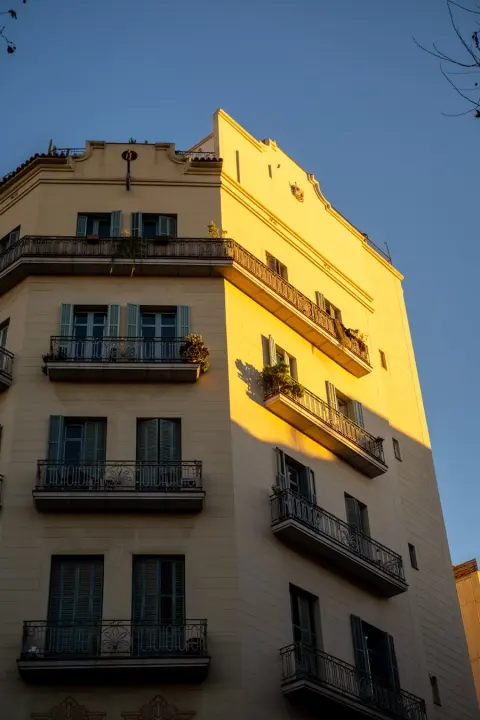
el Fort Pienc
The northeast corner of the Eixample, between the Auditori and the bus station. Residential and well connected.
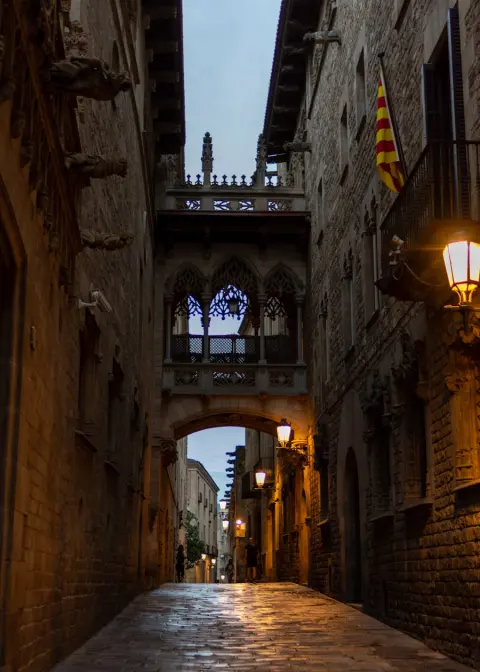
el Gòtic
Barcelona's medieval heart. Pure beauty, tourists everywhere, constant noise.
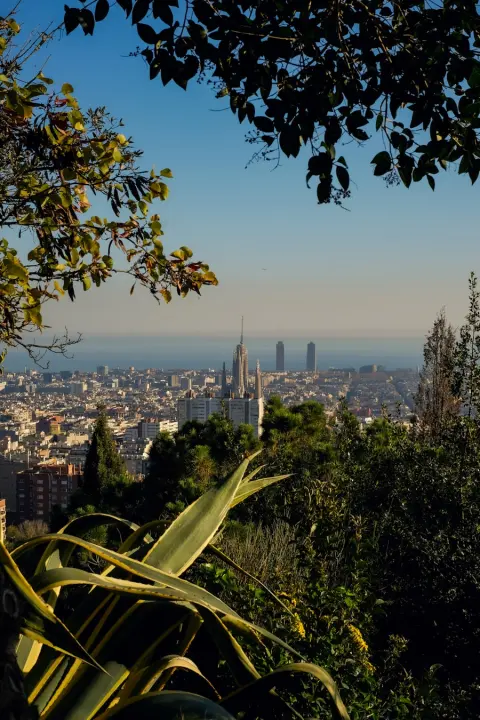
el Guinardó
Hillside residential district above Baix Guinardó. Huge park, city views, calm neighbourhood life.
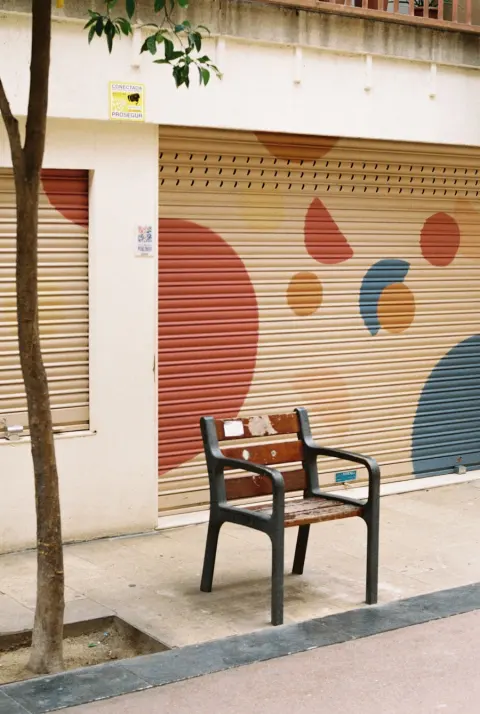
el Parc del Poblenou
The heart of 22@. Factories converted into tech offices, skyscrapers, new parks. Work and home side by side.
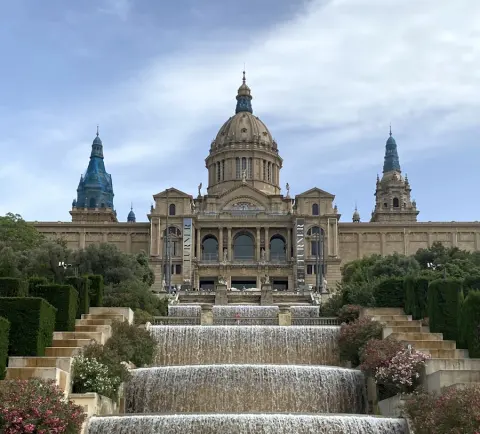
el Poble-sec
At the foot of Montjuïc. Carrer Blai's cheap tapas, young life in transformation.
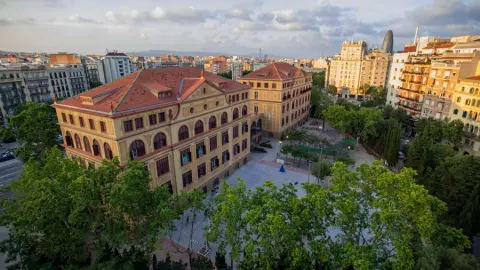
el Poblenou
Former industrial zone, now the 22@ tech district. Converted lofts, close to the sea.
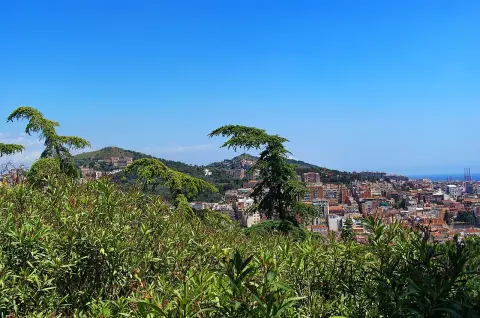
el Putxet
Bourgeois hillside between Sant Gervasi and Vallcarca. Modernista buildings, orderly life, views.
el Raval
Multiethnic, student-friendly, in transformation. The city's most contradictory neighborhood.
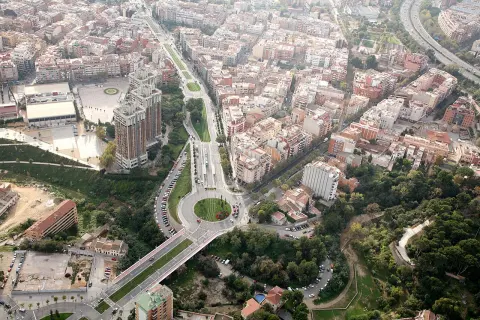
Esplugues de Llobregat
Residential, green and quiet to the west: middle-class, metro/tram/bus.
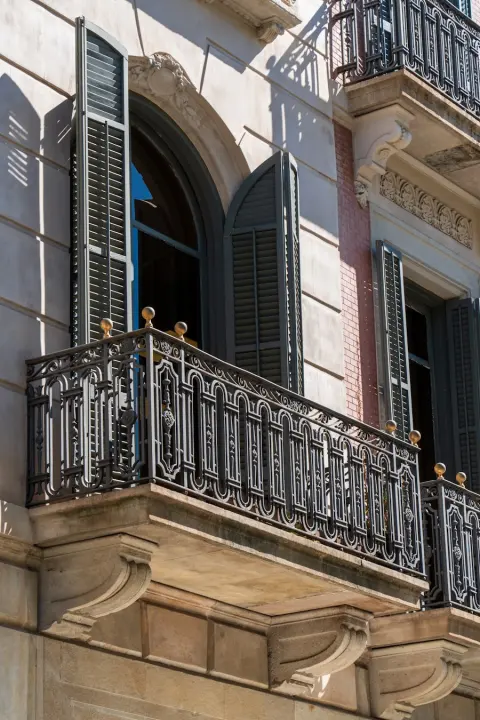
Galvany
Upper bourgeois neighborhood, next to Sarrià. Modernista buildings, tree-lined avenues, tranquility.
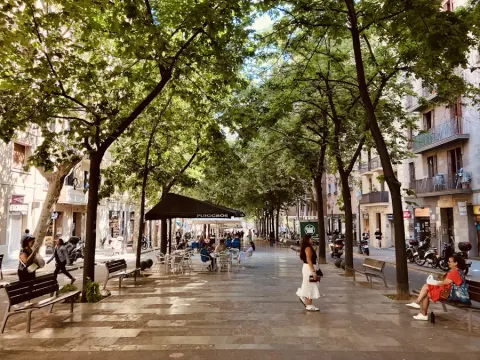
Gràcia
The village-neighborhood. Squares, Catalan independence, bohemian, street life like nowhere else.
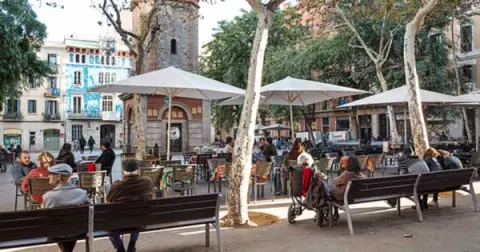
Gràcia Nova
The "new" Gràcia. Same soul as la Vila but more spacious and less expensive.
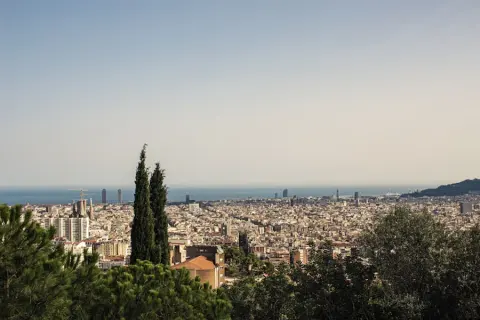
Horta
Northern hill neighborhood. Village feel, historic parks, fair prices.
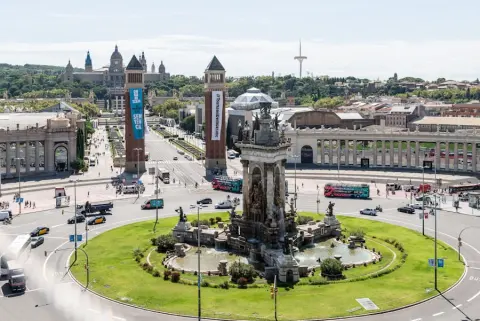
Hostafrancs
An old working-class village next to Sants. Affordable, livable, minutes from Plaça Espanya.
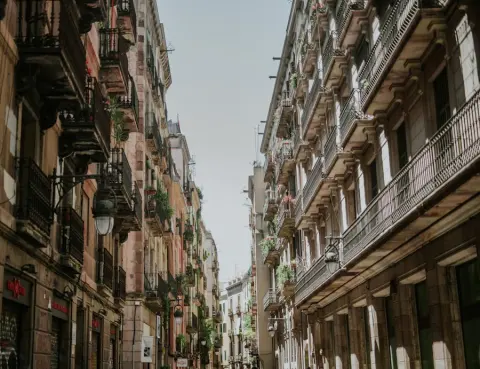
l'Antiga Esquerra de l'Eixample
The northern half of the Esquerra de l'Eixample, between Aragó and Diagonal. Bourgeois, orderly, well served.
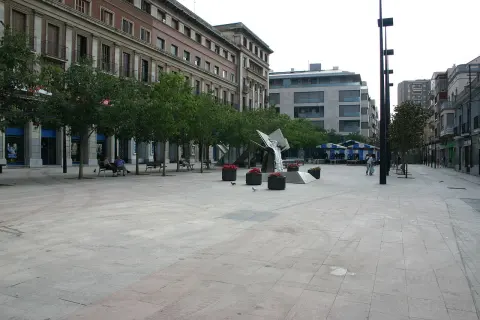
L'Hospitalet de Llobregat
Dense, multicultural and right next to Barcelona: lower rents, metro everywhere.
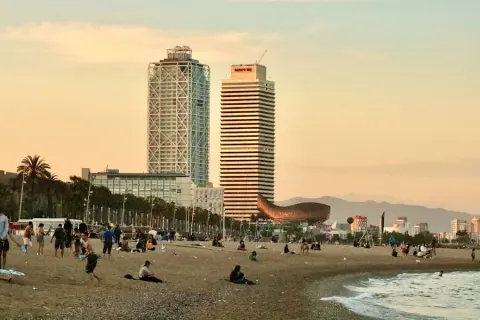
la Barceloneta
The former fishing district by the sea. Narrow streets, neighborhood life, and too much tourist pressure in summer.
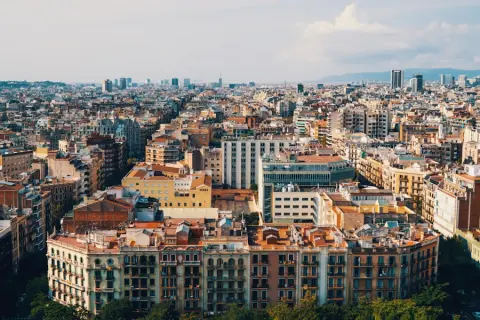
la Bonanova
Upper-bourgeois on the hill. Towers and villas, international schools, high-level clinics.
la Bordeta
Working-class extension of Sants. Genuine neighbourhood life, more affordable prices.
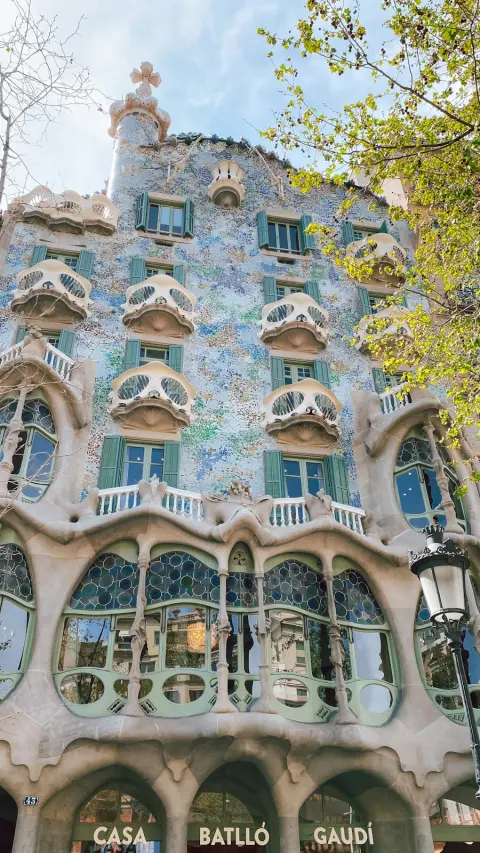
la Dreta de l'Eixample
The grand modernista grid. Bourgeois, orderly, well-connected. For many, the "real" Barcelona.
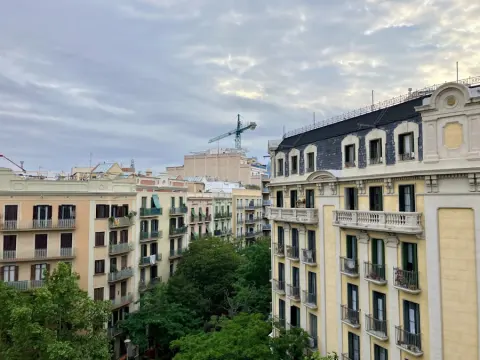
la Nova Esquerra de l'Eixample
The southern half of the Esquerra de l'Eixample. More working-class and affordable, real neighborhood life.
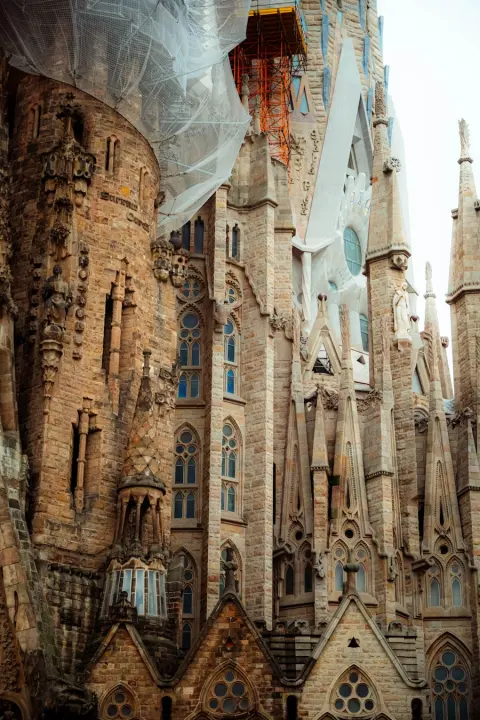
la Sagrada Família
The neighborhood named after the world's most famous construction site. Residential, well-connected, touristy.
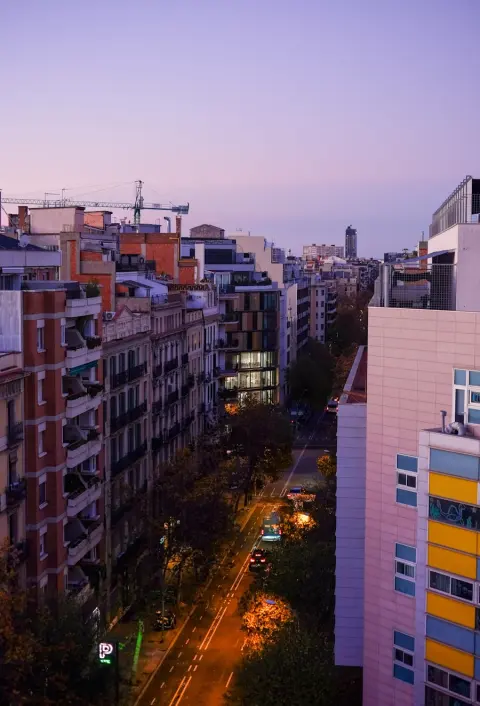
la Sagrera
Emerging around the new high-speed rail station. Affordable prices, strategic northern position.
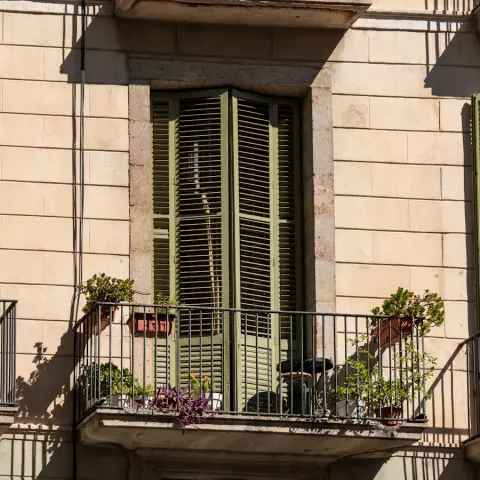
la Salut
Hillside between Gràcia and Park Güell. Quiet residential, panoramic views.
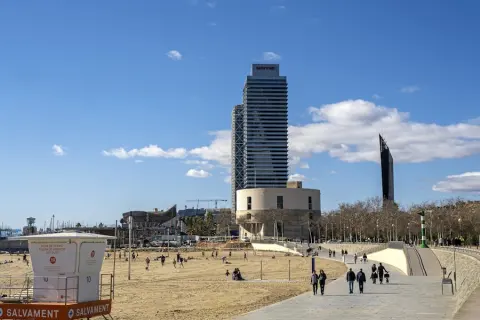
la Vila Olímpica del Poblenou
Neighborhood born for the 1992 Olympics. Modern buildings, beach close by, orderly life.
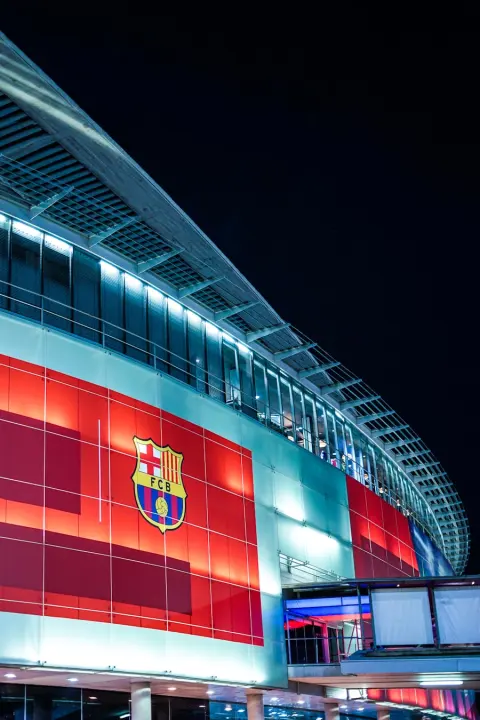
les Corts
Camp Nou neighborhood. Western bourgeois residential, quiet, well-served.
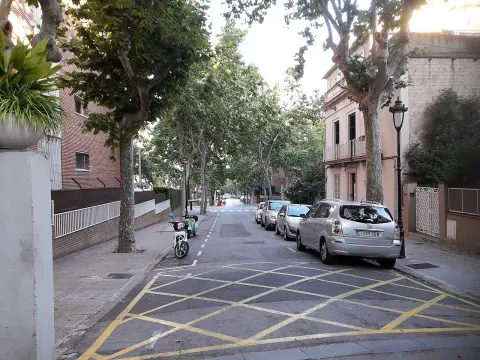
les Tres Torres
Upscale and quiet in the upper part: villas, greenery and calm, FGC L6.
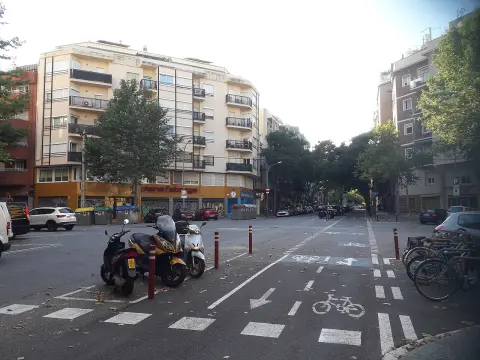
Navas
Residential and handy in Sant Andreu: L1 metro, near La Sagrera.
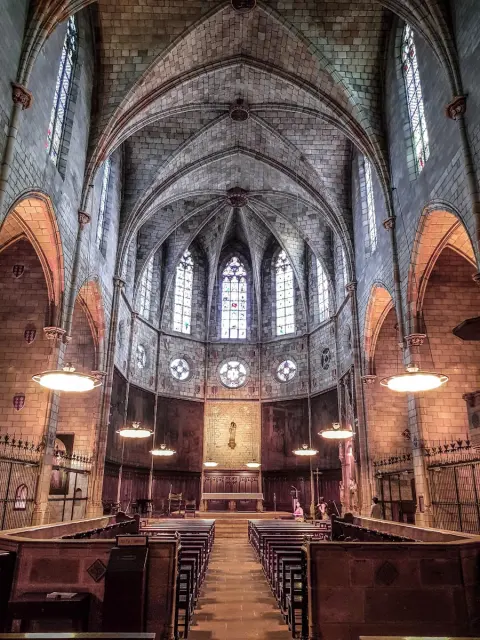
Pedralbes
Upper-class, quiet, green. The medieval monastery, university campuses and discreet villas below Collserola.
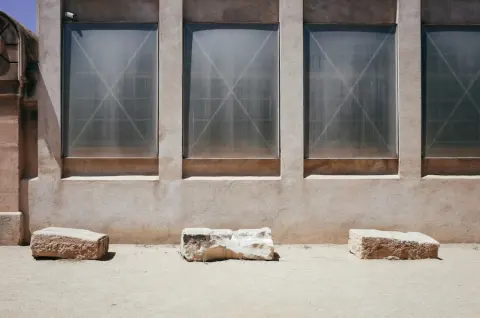
Provençals del Poblenou
The northern part of Poblenou. Converted industry, social blocks, new buildings. The lesser-known Poblenou.
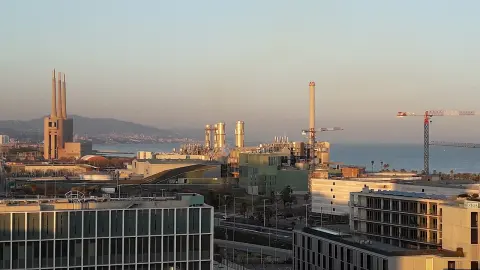
Sant Adrià de Besòs
Sea, Fòrum and Tres Xemeneies at the mouth of the Besòs: working-class, low rents.
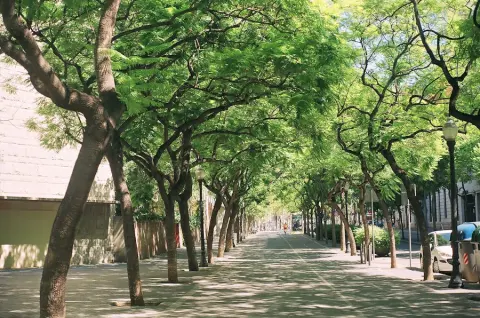
Sant Andreu
Former village, today residential and working-class. Low prices, real neighborhood life far from the tourists.
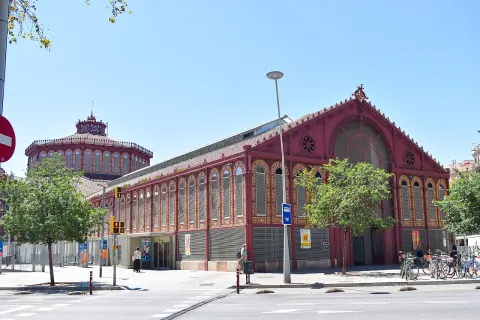
Sant Antoni
The calm version of the Eixample, with the big renovated market as the neighborhood's heart.
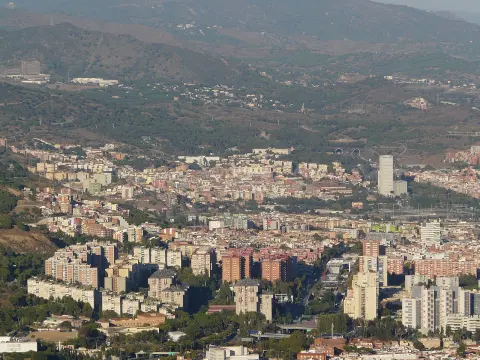
Santa Coloma de Gramenet
Dense, working-class and cheap north of the Besòs, handy by metro.
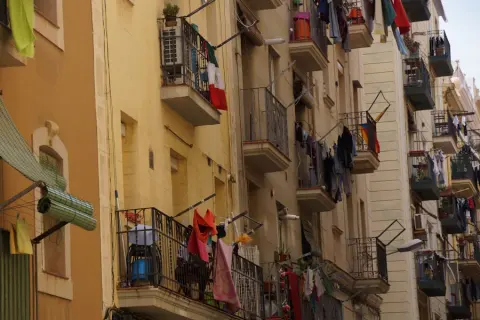
Sants
Working-class, ex-industrial. Affordable prices and strong neighborhood life still in place.
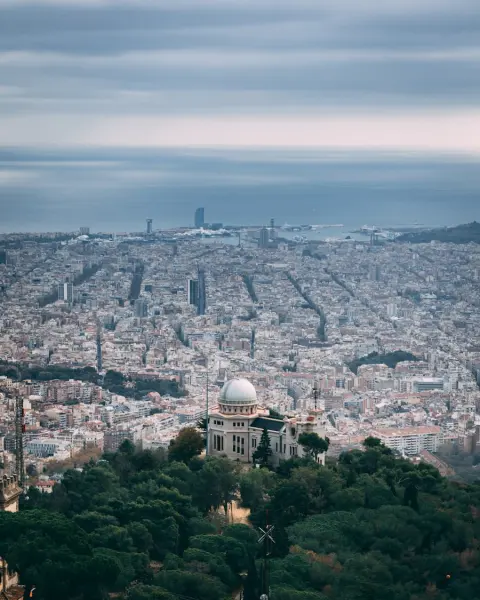
Sarrià
Elegant, quiet neighborhood. International schools, residences, slow pace.
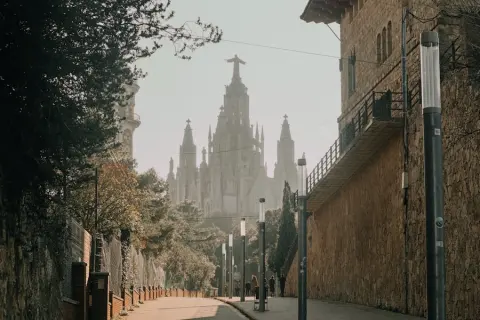
Tibidabo
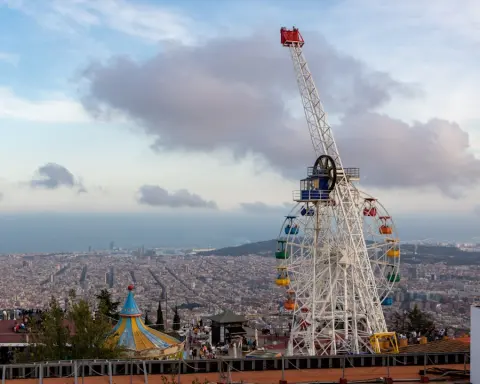
The mountain above the city. Vallvidrera, Tibidabo and Les Planes: houses in the woods, sea view, a different pace.
Vall d'Hebron
University and hospital territory. Green, sporty, above Horta-Guinardó. Open city views and Collserola just behind.
Vallcarca
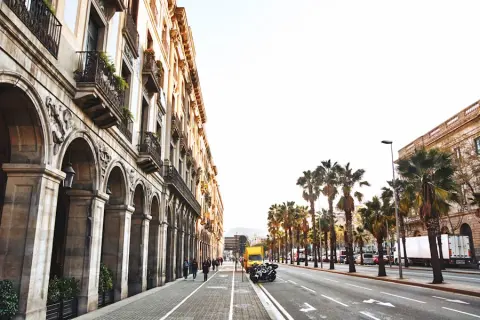
Northern hillside, on the edges of Park Güell. Residential, authentic neighborhood life.