
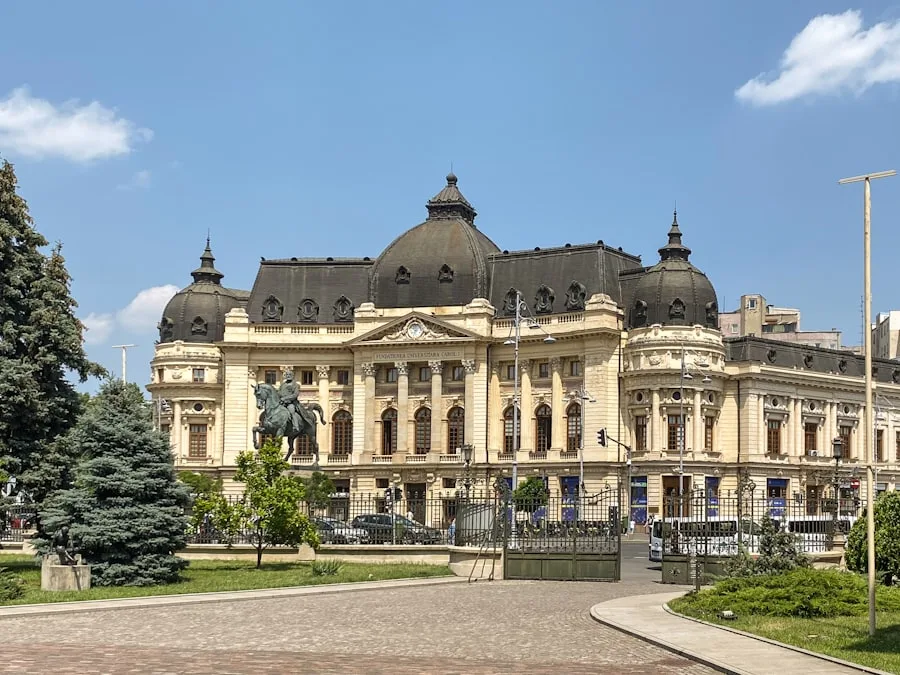
Photo Unsplash
Living in Bucharest, Romania
Închiriez cameră în apartament Bucharest - direct de la proprietar
What you need to know if you're about to move to Bucharest - how the contract de închiriere works, the CNP, CNAS healthcare, the Bucharest Metro M2 corridor, and how to navigate Centru Vechi, Cotroceni, Floreasca and the rest of a city of striking contrasts.
Bucharest is a city of striking contrasts. Belle Époque mansions sit next to brutalist Ceaușescu-era apartment blocks, the Palace of Parliament - the second-largest administrative building in the world - looms over a center that's slowly being restored, and the city's pre-WW2 nickname of "Little Paris" still surfaces in the surviving boulevards of Calea Victoriei and Magheru. For people moving here, the experience tends to be uneven: some districts feel like Vienna with potholes, others like a post-Soviet experiment that's still recalibrating. This guide puts together what you'll want to know before signing a contract de închiriere, from the CNP to the STB monthly card, to the character of each of the city's neighborhoods.
The city in a few sentences
Bucharest is Romania's capital and largest city, with about 1.72 million inhabitants in the city proper and over two million in the metropolitan area. It sits on the southern Romanian plain, on the Dâmbovița river, halfway between the Carpathian mountains and the Danube. It's the country's political, financial, and tech center, headquarters of every major Romanian bank and the regional offices of multinationals from Microsoft to Oracle to Société Générale. The contrast with the rest of Romania is sharp - Bucharest's salary scale, restaurant density and English-comfort levels are not representative of the country at large.
The climate is properly continental: cold winters where temperatures often drop below freezing and snow is common in January and February, hot summers with stretches in the mid-30s and occasional 40°C heat waves, short spring and autumn. The city has a serious traffic-and-pollution problem in winter when heating systems and cars combine; air quality alerts are common. Summer makes up for it - long evenings on outdoor terraces, parks (Herăstrău, Tineretului, Cișmigiu) full until late, weekend trips to the Carpathians an hour by car.
The language: Romanian, and growing English among the young
Romanian is the only official language. It's a Romance language, so anyone with Italian, Spanish or French has a head start with basic reading. Pronunciation requires practice - ș, ț, â, ă are the unfamiliar sounds.
English comfort levels are growing but uneven by age and context. Under 35, working in a multinational office, café, bar or hotel: you'll usually be fine in English. Older residents, government offices, neighborhood shops, taxi drivers: less reliably so. The tech and BPO scenes operate largely in English, and Bucharest has one of the highest densities of English-medium service jobs in Eastern Europe. A few weeks of Romanian basics make a meaningful difference for everyday admin.
Renting a room: how it works
Bucharest's rental market is competitive but less brutal than Warsaw or Prague. Demand is strong in the central districts (Centru Vechi, Cișmigiu, Dorobanți, Floreasca) and around the office clusters (Pipera, Aviatorilor); the post-Communist housing estates (Berceni, Drumul Taberei, Ferentari) have wider availability at lower prices. Direct contact with private landlords is common; estate agents take a commission usually paid by the tenant.
The standard Romanian rental contract is the contract de închiriere. It's typically signed for one year and registered with the local ANAF tax office (which makes the rent income officially declared - not all landlords do this, but registered contracts are increasingly common, especially for non-EU tenants needing proof for visa purposes). The garanție (security deposit) is usually one month's rent, occasionally two, refundable at the end if there's no damage. Rents are normally quoted in euros even though paid in lei - a common Bucharest habit driven by inflation history.
When you read a listing, check whether utilities are included (utilități incluse) or separate. Building maintenance fees (întreținere) are usually paid monthly to the building's administrator (asociația de proprietari) - they cover hot water, heating in winter, elevator, building cleaning, and they can be significant in older blocks with centralized heating. Always ask for an estimate.
The CNP: your Romanian personal code
The CNP (Cod Numeric Personal) is a thirteen-digit personal identification number used for almost everything in Romania: signing a long-term lease, opening a bank account, registering with the health system, signing an employment contract. EU citizens receive a CNP when they apply for residence registration (certificat de înregistrare a rezidenței) at the local IGI (Inspectoratul General pentru Imigrări) office. Non-EU residents receive it when their residence permit is issued.
For everyday Romanian admin you'll be asked for your CNP constantly - set yourself up with a small card that has it printed, because reciting it from memory will take you a few weeks.
Romania: what changes if you're EU or non-EU
EU/EEA/Swiss citizens can live and work in Romania without a residence permit. If you stay beyond three months you should register your stay at the local IGI office and receive the certificat de înregistrare plus your CNP. The right to be here doesn't depend on the certificate but most practical admin (CNP-dependent banking, employment, healthcare) does.
Non-EU citizens need a visa to enter long-term and a permis de ședere (residence permit) to stay beyond 90 days. The most common routes are work-based (with the aviz de angajare tied to a specific employer), study-based, family reunification, and Romania's "Blue Card" for highly qualified employment. Processing at the Bucharest IGI office can be slow - weeks for straightforward cases, months for complex ones. The 2019 Digital Nomad Visa gives remote workers above an income threshold a renewable one-year stay. Documents must be translated by an authorized translator and often legalized; budget for the process.
CNAS: public healthcare
Romania's public health system is administered by the CNAS (Casa Națională de Asigurări de Sănătate). If you're employed in Romania with a formal contract, your employer enrolls you and a fixed percentage of your gross salary funds your coverage (fully employee-side). EU citizens visiting can use the EHIC from their home country for urgent care. Self-employed residents must enroll voluntarily.
In practice, CNAS covers GP visits, hospital care, prescriptions at reduced cost, and emergency services through state hospitals like Floreasca Emergency Hospital. The reality of the public system is mixed - emergency care is generally strong, but non-urgent specialist appointments can have long waiting lists and many facilities are dated. Most Bucharest residents who can afford it complement CNAS with a private package - Medicover, Regina Maria, Medlife, Sanador are the major chains - often as an employer benefit. Private clinics get you specialist appointments within days, English-speaking doctors, and modern facilities.
Transport: STB, the metro, and the airport link
Bucharest's surface public transport (buses, trams, trolleybuses) is run by STB (Societatea de Transport București). The underground metro is run by Metrorex, a separate company. The two ticketing systems are partly unified through monthly abonamente - you can buy a combined pass that covers both. Single tickets are bought via the apps (24pay, Pago) or contactless on board.
The Metro has four working lines: M1 (the original ring/half-loop), M2 (north-south, the city's most important line - passes through Universitate, Piața Romană, Victoriei, and continues north to Aurel Vlaicu and eventually Pipera), M3 (east-west through the southern center), and M4 (a short northwest extension). A fifth line (M5) opened toward Drumul Taberei in 2020. Trams are dense in the older inner districts; trolleybuses run on the major boulevards.
The airport - Henri Coandă International (OTP) in Otopeni, 17 km north - is reachable by express bus 100 (formerly the 783) from Piața Unirii through the centre (about 35-45 minutes), by bus 780 from Gara de Nord, or by the new airport train link from Gara de Nord (about 20 minutes when running). Many residents take a taxi or Uber/Bolt - depending on traffic the trip varies wildly between 30 minutes and 90.
Bicycles are growing but still marginal. Bike lanes exist on some major streets but are not yet a coherent network; the city's drivers have a tense relationship with cyclists. Summer evenings see more bike traffic; winter sees little.
Working and studying
Bucharest is Romania's economic capital and the country's tech hub by a long way. The major office clusters are Pipera (north of Aurel Vlaicu metro, home to Microsoft, Oracle, Genpact, and dozens of others), the Floreasca/Barbu Văcărescu corridor (One United, Globalworth Tower), and the central towers around Victoriei. Salaries in IT and finance are the highest in Romania by a wide margin and now compete with parts of Central Europe. The BPO and shared-services scene is enormous - Bucharest is one of Europe's top operational destinations for service centers.
University-wise, the Universitatea din București (UB) is the country's leading institution, with its main building on Bulevardul Mihail Kogălniceanu in the central district. Universitatea Politehnica (UPB) sits in the west, in the Grozăvești area (Politehnica metro). ASE (Academia de Studii Economice) on Piața Romană handles economics and business. A number of programs are taught in English; international students are present but in lower numbers than in Warsaw or Prague.
Daily life: rhythms and small surprises
Bucharest workdays start later than Warsaw or Vienna - most offices fill up by 9:30 or 10, and lunch breaks can stretch comfortably. Restaurants and bars are busy on weeknights well past 11. Romanian dinner culture is late by Central European standards: 8:30 or 9 PM is normal.
Supermarkets stay open late and most large chains operate on Sundays. Mega Image, Carrefour Express, Auchan and Profi cover daily groceries, with the local Carrefour and Kaufland for larger weekly shops. The covered markets - Piaţa Obor, Piaţa Amzei, Piaţa Matache - remain genuinely useful for fresh produce, meat and cheese.
Holidays follow a calendar that mixes religious (Orthodox), national and modern: National Day on 1 December, the Romanian Constitution Day on 8 December, Easter and Christmas on Orthodox calendars (Easter often a week different from Western), Children's Day on 1 June, the Day of Bucharest on 20 September. Long weekends empty the city - many residents head to the Carpathians or the Black Sea coast in summer.
Café culture has exploded in the last fifteen years. Specialty coffee shops dot the central districts, terrace culture is strong in summer (Bucharest's terrace season runs from April to October), and the cocktail bar scene around the Centru Vechi old town has become one of Eastern Europe's most active. The flip side is air quality - winter inversions trap pollution from heating and traffic, and the city occasionally tops European pollution rankings on bad days.
The neighborhoods
Bucharest is divided into six numbered sectoare (sectors), which carry administrative meaning but very little daily-life relevance. The names people actually use are neighborhoods - historic quarters with strong identities, the post-Communist housing estates that hold most of the population, and the recent office clusters that have grown up since the early 2000s.
There's the reconstructed old core of Lipscani and Centru Vechi, the leafy diplomatic quarter of Cotroceni, the residential green strip of Tineretului, the surviving 19th-century streets of Filaret and Carol, the post-Communist housing estates of Berceni and Ferentari, the central pocket around Izvor by the Palace of Parliament, the working-class fabric of 13 Septembrie, the older central streets of Antim, Uranus, Radu Vodă, Brâncoveanu, Principatele Unite, Bellu - Eroii Revoluției, Timpuri Noi and the remnants of the Cartierul Evreiesc - Bucharest's old Jewish quarter.
The neighborhood guides below go into detail: who lives there, what evenings are like, what days are like, what's within metro and tram reach.
Bucharest neighborhoods
Each neighborhood has its own character. Read the guides to pick the right one for you.
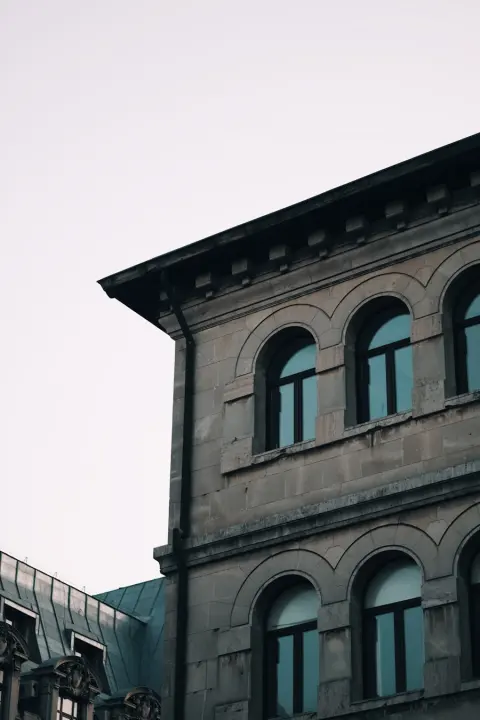
13 Septembrie
Central residential district west of the Palace of Parliament - post-1980s housing, M5 metro, monumental scale.
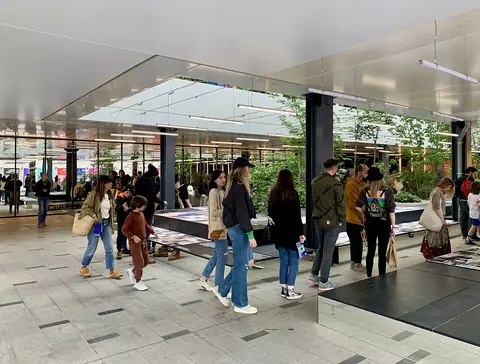
Amzei
The historic market in the heart of the centre, between Calea Victoriei and Piața Romană.
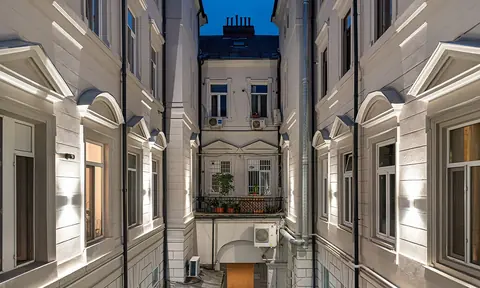
Apărătorii Patriei
The M2 metro downstairs and among the most affordable prices: the south that pays off.
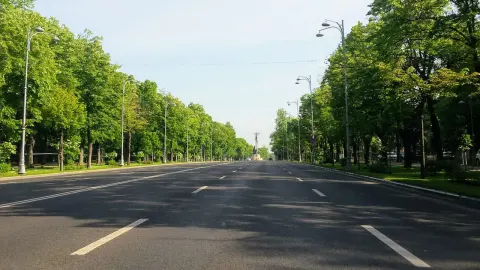
Aviatorilor
Bucharest's embassy boulevard - tree-lined, interwar villas, prestige addresses, between Herăstrău and the center.
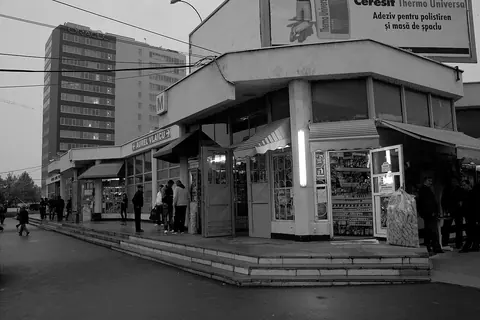
Aviației
Offices, the metro and the Herăstrău park nearby: the north that works.
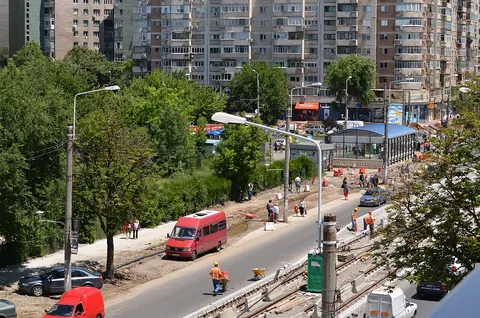
Balta Albă
The residential east beside the Titan park, with some of the most accessible prices.
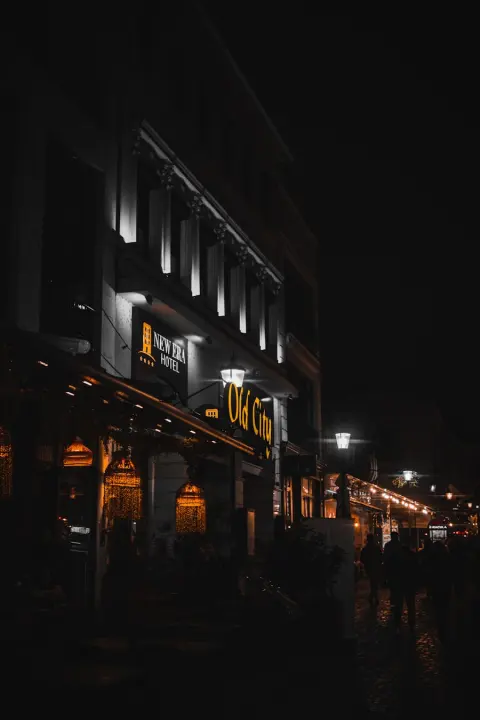
Berceni
Southern district of Communist-era housing estates - M2 metro, affordable rents, family-oriented residential life.
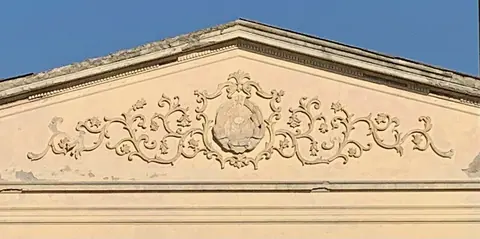
Bucureștii Noi
The Bazilescu park, the M4 metro and still moderate prices in the north-west.
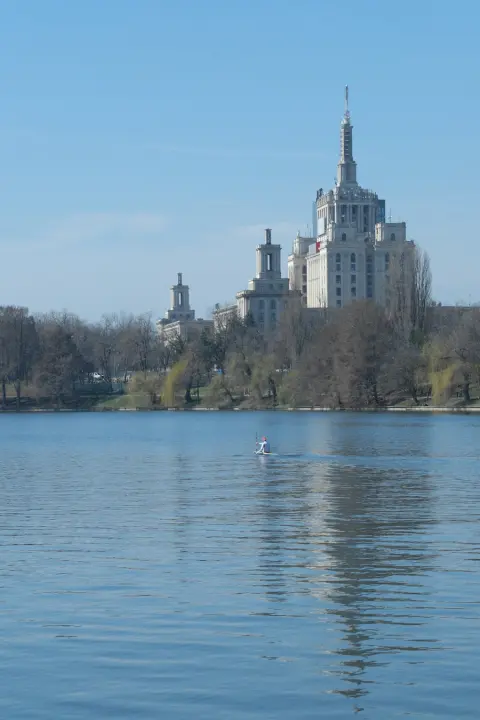
Băneasa
Leafy northern district with forest, lake, gated complexes, international schools and the airport on the doorstep.
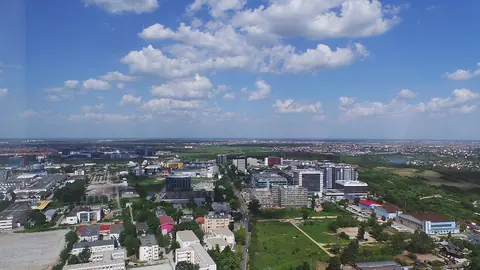
Cartierul Verde
New buildings in the south-west, outside the commune: you pay little and you live quietly.
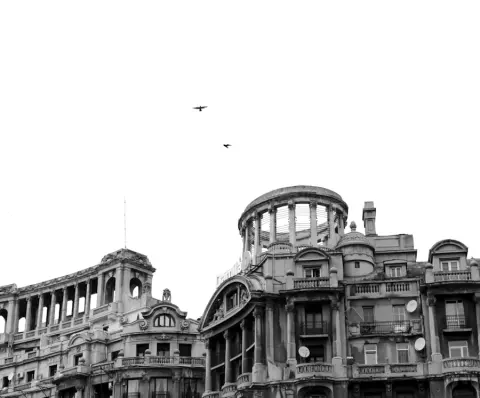
Centrul Vechi
Bucharest's Old Town - cobbled streets, terraces, 19th-century facades, the city's dense pedestrian core.
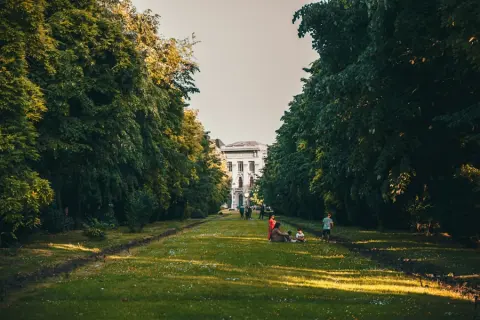
Cișmigiu
Streets around Bucharest's oldest park - Belle-Époque buildings, central calm, walking distance to everything.
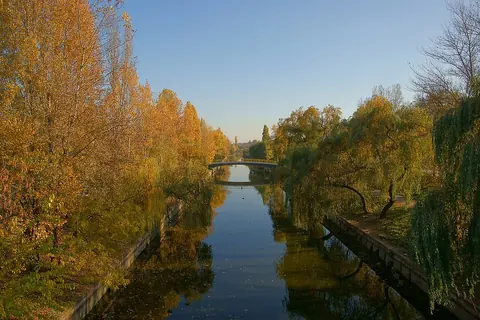
Colentina
Lakes, a very long artery and low rents: the working-class north-east of Bucharest.
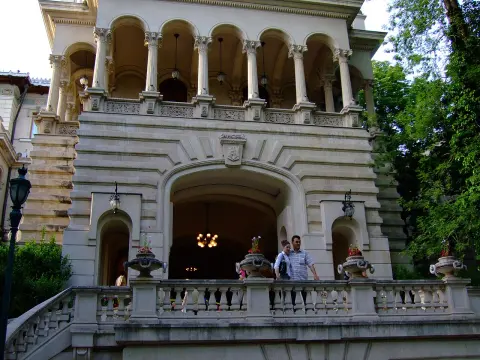
Cotroceni
Period villas, the presidential palace and the Botanical Garden: the most elegant and quiet district near the centre.
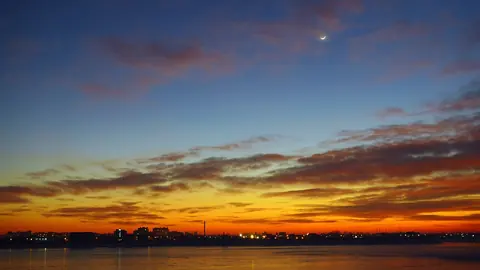
Crângași
The M1 downstairs and Lake Morii next door: practical, connected and cheaper than the centre.
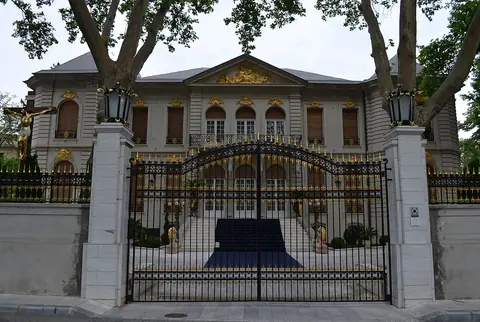
Dorobanți
Period villas, embassies and one of the best selections of restaurants and cafés in the city.
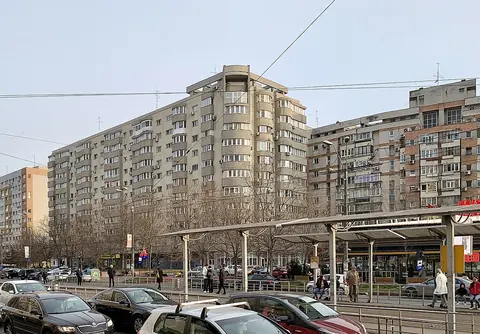
Dristor
Where two metro lines cross: excellent connections and reasonable rents.
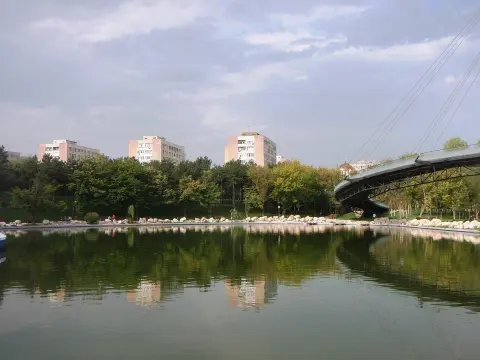
Drumul Taberei
Large green residential district in the south-west, now connected by the new M5 metro: liveable and affordable.
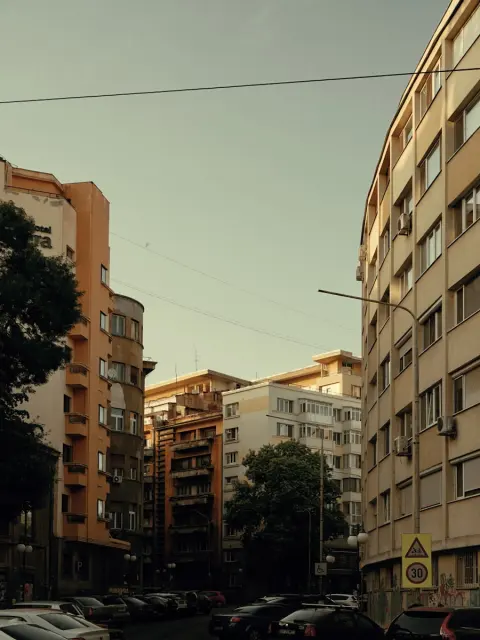
Ferentari
Southwestern district with a complicated reputation - working-class fabric, low rents, mixed but evolving.
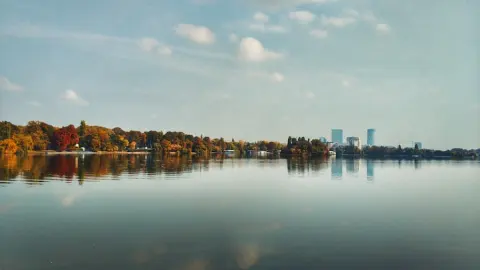
Floreasca
Upscale north-Bucharest district - park, lake, premium new builds, easy access to north business clusters.
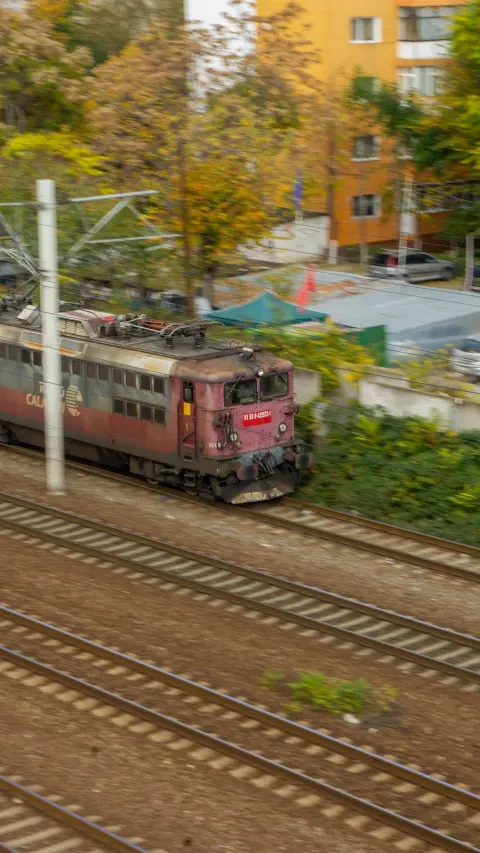
Gara de Nord
Dense central-west district around the main railway station - cheap rents, two metro lines, mixed but improving.
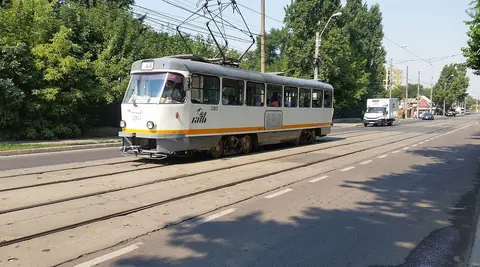
Giulești
Railway history, the stadium and low rents in the north-west of the city.
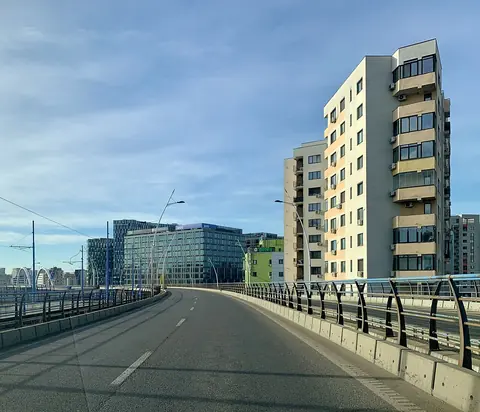
Grozăvești
The Politehnica campus, the halls of residence and the metro downstairs: here the neighbourhood follows the academic calendar.
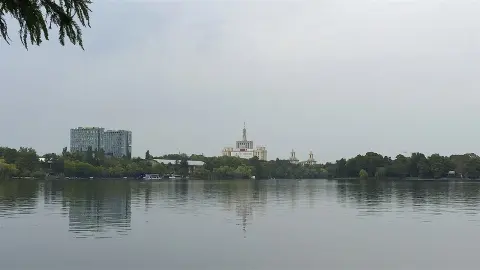
Herăstrău
The great park-lake, the Village Museum and an elegant residential area: the green lung of Bucharest.
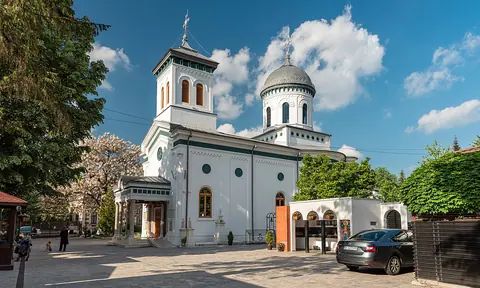
Icoanei
Period houses and quiet streets around the garden: one of the loveliest corners of the centre.
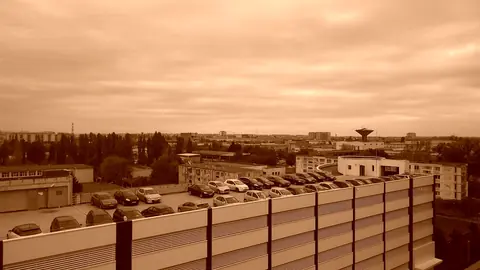
Militari
M3 metro, services everywhere and some of the lowest rents in the city: the great residential west.
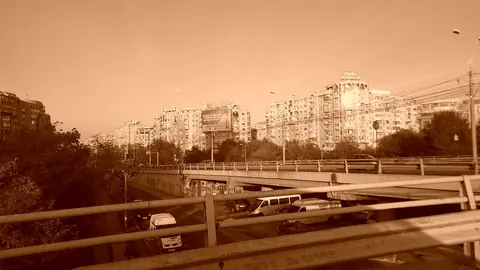
Militari Residence
The large new-build district in the west: you pay little, you queue.
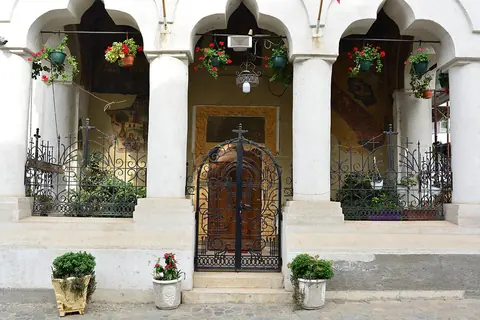
Moșilor
Old houses, 1980s blocks and authentic neighbourhood life next to the centre.
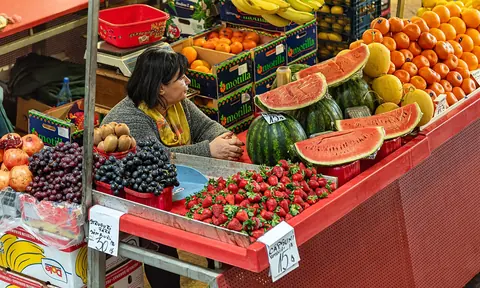
Obor
The great historic market, the metro and a neighbourhood life that never faded.
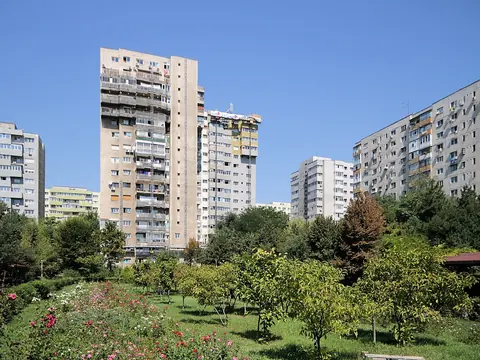
Pantelimon
One of the cheapest districts in the city, with the lake to the north and frequent trams.
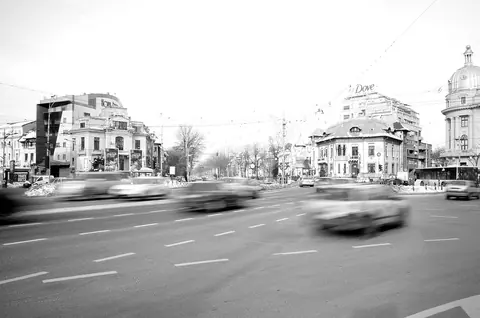
Piața Romană
The ASE, the offices and the M2: one of the most central and busiest points in the city.
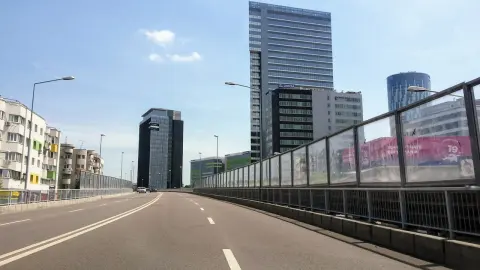
Pipera
Office towers, multinationals and tech: the business hub of Bucharest, at the M2 metro terminus.
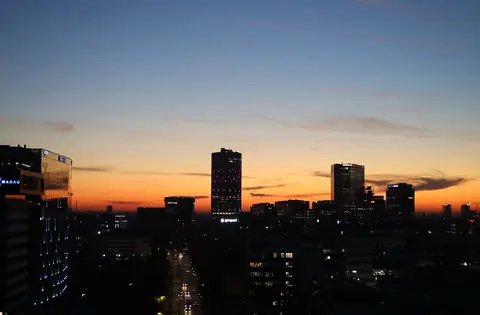
Platforma Pipera
The business heart of Bucharest: offices, new housing and the metro.
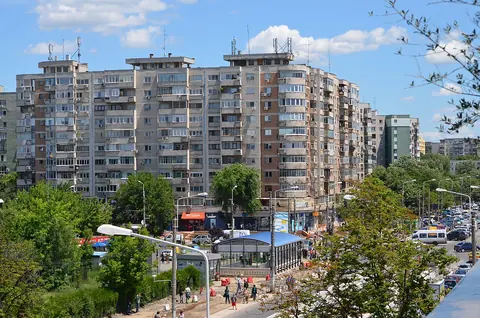
Popești-Leordeni
New buildings in the south, with the metro reachable and moderate prices.
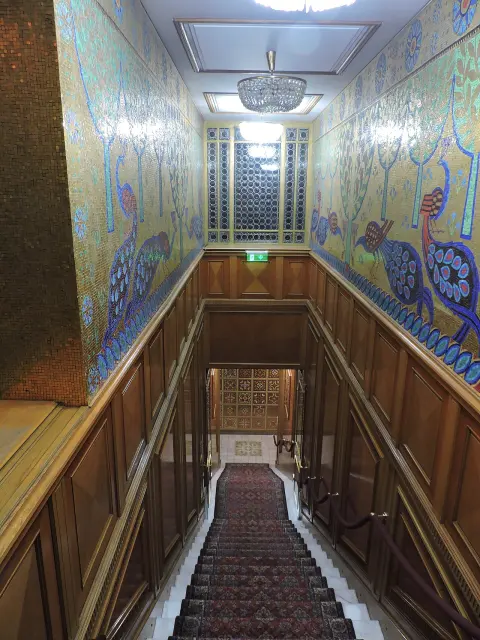
Primăverii
Villas, embassies and tree-lined avenues: the most exclusive residential district in Bucharest, in the green north.
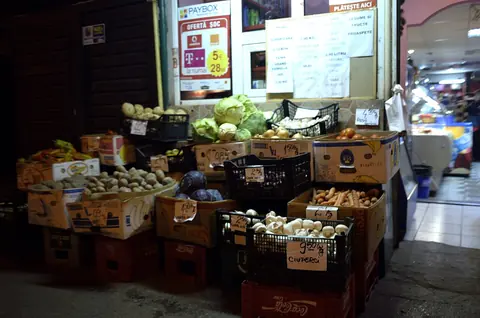
Rahova
Large, working-class and among the cheapest: the south-west of Bucharest with its history.
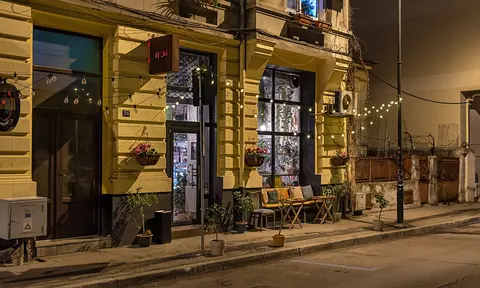
Regie
Thousands of students in a few hectares, the Politehnica a few steps away and a nightlife that never really stops.
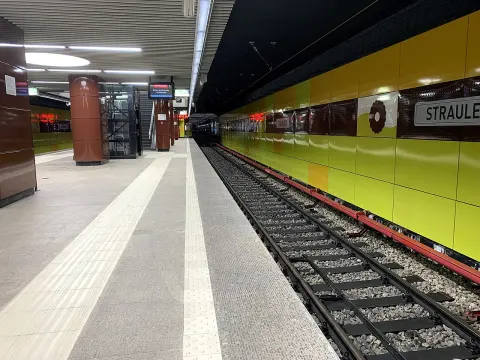
Străulești
New housing and greenery at the M4 terminus, on the northern edge of the city.
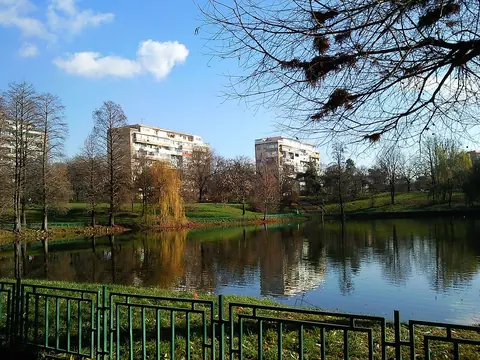
Tei
Lakes, the park and a university hub: a green, liveable north-east without the prices of the smart north.
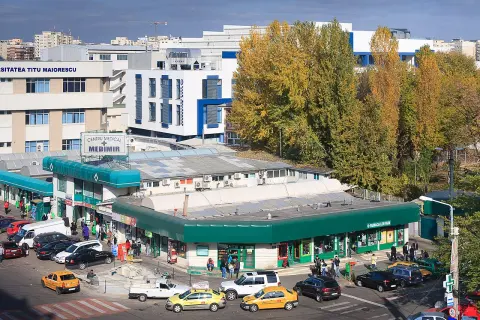
Timpuri Noi
Evolving district east of center - old industry meeting new offices and apartments around Timpuri Noi metro.
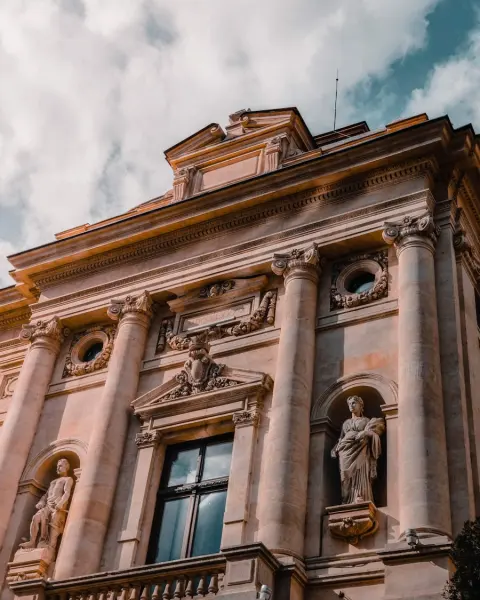
Tineretului
Calm residential district around Parcul Tineretului - green space, M2 metro, family-friendly balance.
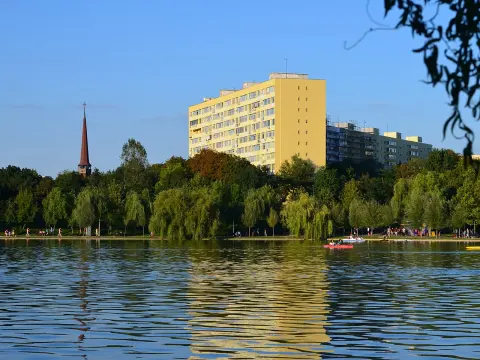
Titan
The Alexandru Ioan Cuza park, the metro and affordable prices: the residential east that works.
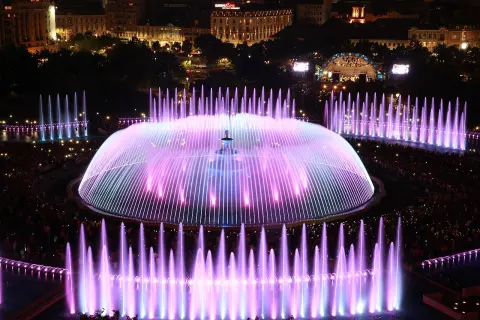
Unirii
The fountain square and the transport super-hub: the most central and connected point of Bucharest.
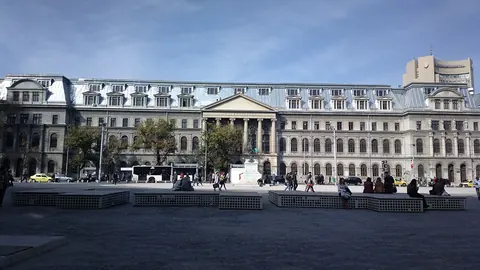
Universitate
The exact centre of Bucharest: university, theatres, bookshops and the old town around the corner.
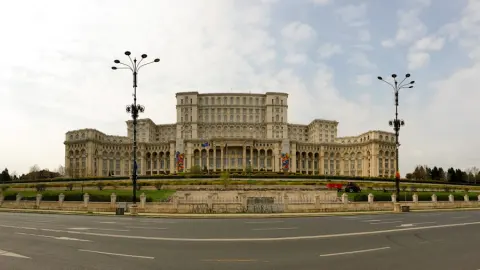
Uranus
Demolished and rebuilt in the 1980s - now a monumental, evolving area at the foot of the Palace of Parliament.
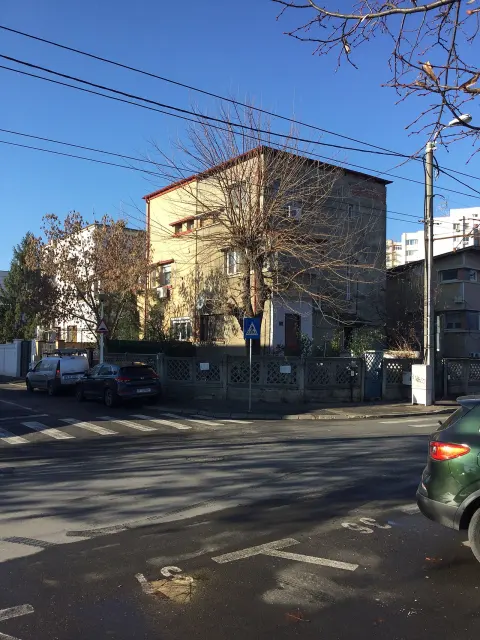
Vatra Luminoasă
A 1930s garden district, quiet and green: an enclave with character east of the centre.
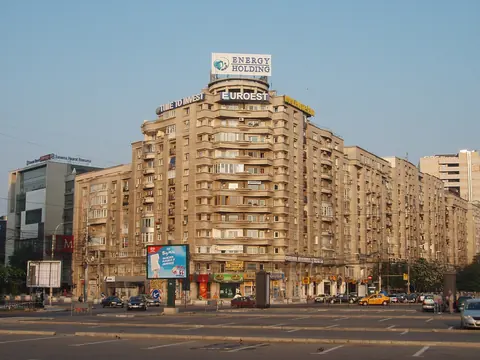
Victoriei
Where the M1 and M2 cross, among the government palace, the museums and the offices of the central north.
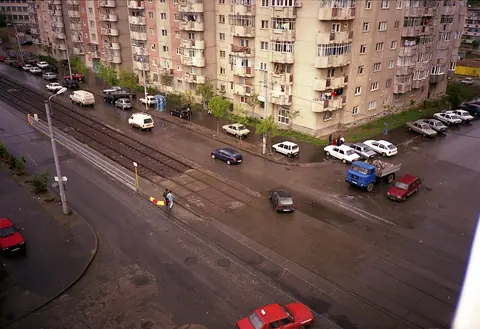
Vitan
Along the Dâmbovița, with the shopping centre downstairs and the centre a few stops away.
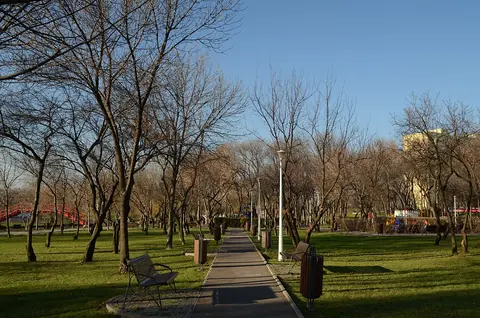
Voluntari
Villas and recent complexes in the north-east, close to the office hub and to the greenery.
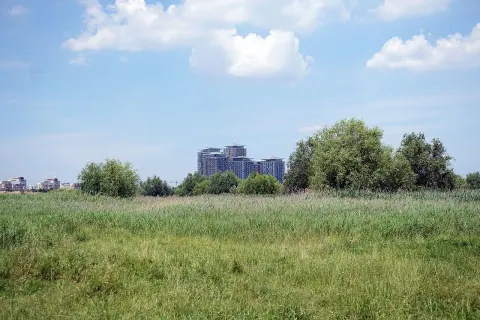
Văcărești
Bucharest's 'Delta': an urban nature park of reeds and birds on your doorstep, the district's unique identity.